Data Enrichment Waterfall
Waterfall enrichment
Design multi-provider enrichment waterfalls — provider ordering by cost-per-hit, 3 separate waterfalls for company, email, and phone data, always verify after finding. Use when building enrichment waterfalls or improving data coverage.
---
name: waterfall-enrichment
description: >-
  Design multi-provider enrichment waterfalls — provider ordering by cost-per-hit,
  3 separate waterfalls for company, email, and phone data, always verify after
  finding. Use when building enrichment waterfalls or improving data coverage.
license: MIT
compatibility: Claude Code, Codex, GitHub Copilot, Cursor, Gemini CLI, OpenCode, Goose, Hermes, Windsurf, Zed
metadata:
  version: "1.0.0"
  author: LeadMagic
  category: automation
  tags: [waterfall, enrichment, providers, coverage]
  related_skills: [lead-enrichment, clay-automation, email-finding, contact-verification]
  frameworks:
    - "DAMA-DMBOK — Data quality dimensions"
    - "Clay — Waterfall enrichment"
    - "Google and Yahoo — Bulk sender requirements (2024)"
Overview
No single B2B data provider covers more than 60-75% of contacts. A multi-provider waterfall chains providers in sequence, each firing only when the previous returns empty. The result: 85-92% coverage at optimized cost.
Manual install (npx, ZIP)
npx skills add LeadMagic/gtm-skills --skill waterfall-enrichment -g -a claude-codenpx degit LeadMagic/gtm-skills/skills/automation/waterfall-enrichment#main ~/.claude/skills/waterfall-enrichmentConnects with Agent Alley MCP · agentalley.io/mcp
Files included
SKILL.md5.3 KB
Read SKILL.md here
Show the full text137 lines
Waterfall Enrichment
Overview
No single B2B data provider covers more than 60-75% of contacts. A multi-provider waterfall chains providers in sequence, each firing only when the previous returns empty. The result: 85-92% coverage at optimized cost.
This skill covers complete waterfall architecture: 3 separate waterfalls for company data, email, and phone — each with independently optimized provider ordering and verification integration.
Authoritative Foundations
- DAMA-DMBOK — Data quality dimensions — Score each provider on accuracy, completeness, validity, and timeliness, not coverage alone.
- Clay — Waterfall enrichment — Query providers in sequence and stop at the first validated result to control cost.
- Google and Yahoo — Bulk sender requirements (2024) — Validate every email the waterfall returns; bounces and complaints from bad data damage sender reputation.
When to Use
- "Build an enrichment waterfall"
- "Improve our data coverage"
- "Chain multiple enrichment providers"
- "Design a cost-optimized enrichment pipeline"
- "Set up waterfall enrichment in Clay"
Step-by-Step Process
Phase 1: Three Separate Waterfalls
Build independent waterfalls for different data types:
Company Waterfall:
- Clay native / Clearbit (cheap, broad)
- Apollo Company (mid-cost, good SMB coverage)
- ZoomInfo (expensive, enterprise depth)
- Claygent AI research (unstructured, last resort)
Email Waterfall:
- LeadMagic Email Finder (verified results, pay-per-result)
- Apollo (270M+ contacts, subscription)
- Hunter.io (domain-pattern matching)
- People Data Labs (alternative sourcing)
- Claygent (AI web research)
Phone Waterfall:
- Apollo (mobile, included in subscription)
- Cognism (strong EU mobile coverage)
- ContactOut (alternative sourcing)
- People Data Labs (broad but thinner)
Phase 2: Provider Ordering
Sort by cost-per-hit, not cost-per-attempt. A cheap provider with 20% hit rate costs more per successful lookup than a moderate provider with 70% hit rate.
Formula: Cost-per-hit = Price per attempt ÷ Hit rate.
Phase 3: Conditional Fallback Logic
- Each fallback only fires when the previous step returns empty or error
- COALESCE logic: prefer high-confidence results even from later steps
- Credit caps: max 5-6 credits per row per waterfall
- Verification step after email waterfall — always
Phase 4: Provider Performance Monitoring
Track per provider: hit rate, cost per successful lookup, incremental coverage. Re-test provider ordering quarterly — provider performance changes over time. Drop providers contributing less than 5% incremental coverage.
Output Format
Waterfall architecture document with provider ordering, conditions, credit costs, expected coverage per stage, and verification integration.
Quality Check
Before delivering, verify:
- All required sections are complete
- Output matches the user's stated need
- Named frameworks are cited for key recommendations
- No vague claims — every recommendation has a specific action
- Deliverable is ready for operational use, not just conceptual
Common Pitfalls
One giant waterfall for everything. Different data types need different providers. Company data, email, and phone are separate waterfalls.
Wrong provider order. Sort by cost-per-hit, not coverage percentage. A cheap provider with low hit rate is expensive per result.
Skipping verification. Every waterfall returns 5-15% stale emails. Verification catches them before they damage sender reputation.
No credit caps. Without caps, a single stubborn row can consume 15+ credits across the full chain. Cap at 5-6 per row.
Not re-testing provider order. Provider performance changes quarterly. The waterfall that worked in January may be suboptimal by April.
Execution Artifacts
references/framework-notes.md— named frameworks, citation anchors, and operating assumptionstemplates/output-template.md— copy-paste deliverable structure for the userscripts/check-output.py— local checklist validator for required sections This skill includes lightweight artifacts the agent can load on demand: Use the artifacts when the user asks for an implementation-ready deliverable, a repeatable workflow, or a quality check rather than generic advice.
Related Skills
- lead-enrichment: Execute enrichment on a specific list
- clay-automation: Clay-specific waterfall configuration
- email-finding: Email-specific waterfall patterns
- contact-verification: Verification step after waterfall
| 1 | |
| 2 | name waterfall-enrichment |
| 3 | description >- |
| 4 | Design multi-provider enrichment waterfalls — provider ordering by cost-per-hit, |
| 5 | 3 separate waterfalls for company, email, and phone data, always verify after |
| 6 | finding. Use when building enrichment waterfalls or improving data coverage. |
| 7 | license MIT |
| 8 | compatibility Claude Code, Codex, GitHub Copilot, Cursor, Gemini CLI, OpenCode, Goose, Hermes, Windsurf, Zed |
| 9 | metadata |
| 10 | version "1.0.0" |
| 11 | author LeadMagic |
| 12 | category automation |
| 13 | tags [waterfall, enrichment, providers, coverage] |
| 14 | related_skills [lead-enrichment, clay-automation, email-finding, contact-verification] |
| 15 | frameworks |
| 16 | - "DAMA-DMBOK — Data quality dimensions" |
| 17 | - "Clay — Waterfall enrichment" |
| 18 | - "Google and Yahoo — Bulk sender requirements (2024)" |
| 19 | |
| 20 | |
| 21 | # Waterfall Enrichment |
| 22 | |
| 23 | ## Overview |
| 24 | |
| 25 | No single B2B data provider covers more than 60-75% of contacts. A multi-provider |
| 26 | waterfall chains providers in sequence, each firing only when the previous |
| 27 | returns empty. The result: 85-92% coverage at optimized cost. |
| 28 | |
| 29 | This skill covers complete waterfall architecture: 3 separate waterfalls for |
| 30 | company data, email, and phone — each with independently optimized provider |
| 31 | ordering and verification integration. |
| 32 | |
| 33 | ## Authoritative Foundations |
| 34 | **DAMA-DMBOK — Data quality dimensions** — Score each provider on accuracy, completeness, validity, and timeliness, not coverage alone. |
| 35 | **Clay — Waterfall enrichment** — Query providers in sequence and stop at the first validated result to control cost. |
| 36 | **Google and Yahoo — Bulk sender requirements (2024)** — Validate every email the waterfall returns; bounces and complaints from bad data damage sender reputation. |
| 37 | |
| 38 | ## When to Use |
| 39 | |
| 40 | "Build an enrichment waterfall" |
| 41 | "Improve our data coverage" |
| 42 | "Chain multiple enrichment providers" |
| 43 | "Design a cost-optimized enrichment pipeline" |
| 44 | "Set up waterfall enrichment in Clay" |
| 45 | |
| 46 | ## Step-by-Step Process |
| 47 | |
| 48 | ### Phase 1: Three Separate Waterfalls |
| 49 | |
| 50 | Build independent waterfalls for different data types: |
| 51 | |
| 52 | **Company Waterfall**: |
| 53 | Clay native / Clearbit (cheap, broad) |
| 54 | Apollo Company (mid-cost, good SMB coverage) |
| 55 | ZoomInfo (expensive, enterprise depth) |
| 56 | Claygent AI research (unstructured, last resort) |
| 57 | |
| 58 | **Email Waterfall**: |
| 59 | LeadMagic Email Finder (verified results, pay-per-result) |
| 60 | Apollo (270M+ contacts, subscription) |
| 61 | Hunter.io (domain-pattern matching) |
| 62 | People Data Labs (alternative sourcing) |
| 63 | Claygent (AI web research) |
| 64 | |
| 65 | **Phone Waterfall**: |
| 66 | Apollo (mobile, included in subscription) |
| 67 | Cognism (strong EU mobile coverage) |
| 68 | ContactOut (alternative sourcing) |
| 69 | People Data Labs (broad but thinner) |
| 70 | |
| 71 | ### Phase 2: Provider Ordering |
| 72 | |
| 73 | Sort by cost-per-hit, not cost-per-attempt. A cheap provider with 20% hit rate |
| 74 | costs more per successful lookup than a moderate provider with 70% hit rate. |
| 75 | |
| 76 | Formula: Cost-per-hit = Price per attempt ÷ Hit rate. |
| 77 | |
| 78 | ### Phase 3: Conditional Fallback Logic |
| 79 | |
| 80 | Each fallback only fires when the previous step returns empty or error |
| 81 | COALESCE logic: prefer high-confidence results even from later steps |
| 82 | Credit caps: max 5-6 credits per row per waterfall |
| 83 | Verification step after email waterfall — always |
| 84 | |
| 85 | ### Phase 4: Provider Performance Monitoring |
| 86 | |
| 87 | Track per provider: hit rate, cost per successful lookup, incremental coverage. |
| 88 | Re-test provider ordering quarterly — provider performance changes over time. |
| 89 | Drop providers contributing less than 5% incremental coverage. |
| 90 | |
| 91 | ## Output Format |
| 92 | |
| 93 | Waterfall architecture document with provider ordering, conditions, credit |
| 94 | costs, expected coverage per stage, and verification integration. |
| 95 | |
| 96 | |
| 97 | ## Quality Check |
| 98 | |
| 99 | Before delivering, verify: |
| 100 | [ ] All required sections are complete |
| 101 | [ ] Output matches the user's stated need |
| 102 | [ ] Named frameworks are cited for key recommendations |
| 103 | [ ] No vague claims — every recommendation has a specific action |
| 104 | [ ] Deliverable is ready for operational use, not just conceptual |
| 105 | |
| 106 | ## Common Pitfalls |
| 107 | |
| 108 | **One giant waterfall for everything.** Different data types need |
| 109 | different providers. Company data, email, and phone are separate waterfalls. |
| 110 | |
| 111 | **Wrong provider order.** Sort by cost-per-hit, not coverage percentage. |
| 112 | A cheap provider with low hit rate is expensive per result. |
| 113 | |
| 114 | **Skipping verification.** Every waterfall returns 5-15% stale emails. |
| 115 | Verification catches them before they damage sender reputation. |
| 116 | |
| 117 | **No credit caps.** Without caps, a single stubborn row can consume 15+ |
| 118 | credits across the full chain. Cap at 5-6 per row. |
| 119 | |
| 120 | **Not re-testing provider order.** Provider performance changes quarterly. |
| 121 | The waterfall that worked in January may be suboptimal by April. |
| 122 | |
| 123 | ## Execution Artifacts |
| 124 | |
| 125 | `references/framework-notes.md` — named frameworks, citation anchors, and operating assumptions |
| 126 | `templates/output-template.md` — copy-paste deliverable structure for the user |
| 127 | `scripts/check-output.py` — local checklist validator for required sections |
| 128 | This skill includes lightweight artifacts the agent can load on demand: |
| 129 | Use the artifacts when the user asks for an implementation-ready deliverable, a repeatable workflow, or a quality check rather than generic advice. |
| 130 | |
| 131 | ## Related Skills |
| 132 | |
| 133 | **lead-enrichment**: Execute enrichment on a specific list |
| 134 | **clay-automation**: Clay-specific waterfall configuration |
| 135 | **email-finding**: Email-specific waterfall patterns |
| 136 | **contact-verification**: Verification step after waterfall |
| 137 |
Details
- License
- MIT
- Stars on the repo
- ★ 62
- Checked
- Source
- LeadMagic/gtm-skills ↗
- Creator
- LeadMagic · 129 listings
Similar skills
See all →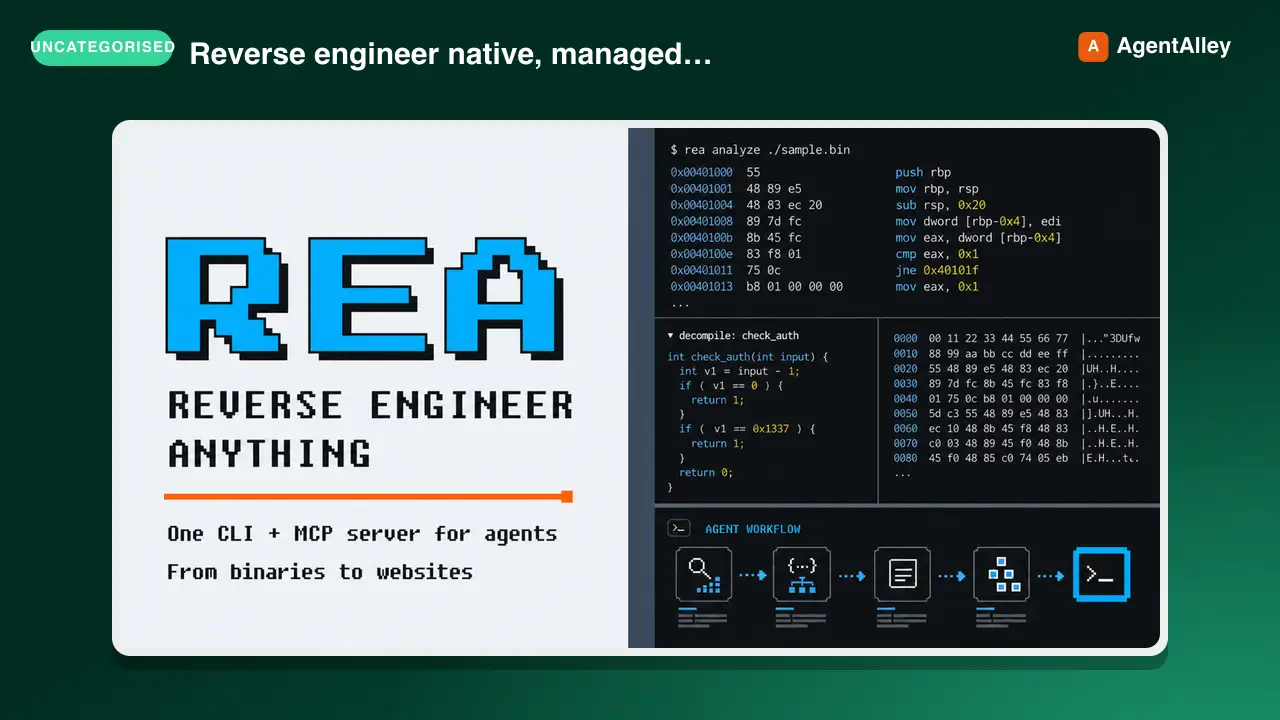 SkillCross-Platform Reverse Engineer
 morluto/rea · by morlutoReverse engineer native, managed, Electron/JavaScript, packaged, firmware, and browser targets with REA. Use shipped-artifact or requested runtime evidence to explain features, compare versions, decompile code, or guide a reconstruction. Skip REA for ordinary source-repository architecture analysis.★ 316k GitHub stars
 SkillBrainstorm Ideas
 obra/superpowers · by obraYou MUST use this before any creative work - creating features, building components, adding functionality, or modifying behavior. Explores user intent, requirements and design before implementation.★ 290k GitHub stars
 SkillCode Review Feedback Analyzerobra/superpowers · by obraUse when receiving code review feedback, before implementing suggestions, especially if feedback seems unclear or technically questionable - requires technical rigor and verification, not performative agreement or blind implementation★ 290k GitHub stars
 SkillBug Diagnosis Framework
 mattpocock/skills · by mattpocockDiagnosis loop for hard bugs and performance regressions. Use when the user says "diagnose"/"debug this", or reports something broken/throwing/failing/slow.★ 267k GitHub stars
 SkillImplement Specmattpocock/skills · by mattpocockImplement the result of /to-spec and /to-tickets in code.★ 267k GitHub stars
 SkillPR Description Writermattpocock/skills · by mattpocockUse when writing a PR body.★ 267k GitHub stars
More from LeadMagic
 SkillFirst-Party Analytics Setup
 LeadMagic/gtm-skills · by LeadMagicSet up first-party tracking and analytics — website pixels, conversion tracking, UTM architecture, cookie consent, server-side tagging vs client-side, 1P vs 3P data strategy, and identity resolution. Use when setting up tracking, implementing pixels, building attribution, or preparing for privacy-first measurement. Triggers on: "pixel", "tracking", "conversion tracking", "first-party data", server-side tagging", "UTM", "cookie consent", "1P vs 3P", "identity resolution", or any tracking implementation request.★ 62 GitHub stars
 SkillStrategic Account MarketingLeadMagic/gtm-skills · by LeadMagicRuns strategic 1-to-1 ABM for 5-15 high-value accounts: account plans, custom microsites, executive engagement, direct mail, and board-level connections. Use when a named enterprise account justifies bespoke content and executive time, or when the user needs a strategic account plan. Triggers on: "1-to-1 ABM", "strategic ABM", "custom ABM", "key account marketing", "named account".★ 62 GitHub stars
 SkillCluster Account MarketingLeadMagic/gtm-skills · by LeadMagicRuns ABM at scale (1-to-few) for 15-50 clustered accounts: industry or persona clusters, semi-custom campaigns, and cluster-level content. Use when named-account ABM needs to reach more accounts without bespoke work per account. Triggers on: "1-to-few ABM", "ABM scale", "cluster ABM", "industry ABM".★ 62 GitHub stars
 SkillProgrammatic Account TargetingLeadMagic/gtm-skills · by LeadMagicRuns programmatic 1-to-many ABM for 50-200+ accounts: automated personalization, scaled outbound, intent-based targeting, and lookalike expansion. Use when ABM coverage must grow without adding headcount or when the user wants automated account-based outreach. Triggers on: "1-to-many ABM", programmatic ABM", "scaled ABM", "automated ABM".★ 62 GitHub stars
 SkillAccount Strategy DesignerLeadMagic/gtm-skills · by LeadMagicDesigns an account-based marketing program: tier selection, account scoring, channel orchestration, BDR alignment (account-based sales development), and a measurement framework. Use when the user is launching or redesigning ABM, choosing between 1-to-1, 1-to-few, and 1-to-many, or building a target account program. Triggers on: "ABM strategy", "account based marketing", "ABM playbook", "design ABM", "target accounts", "ABSD", "account based sales development", "Lars Nilsson".★ 62 GitHub stars
 SkillTarget Account SelectorLeadMagic/gtm-skills · by LeadMagicBuilds and tiers a target account list: fit and intent scoring models, tier assignment, and TAM segmentation. Use when the user needs to decide which accounts to target, score or tier an account list, or prioritize a TAM for ABM or outbound. Triggers on: "account selection", "target account list", "tier accounts", "prioritize accounts", "TAM segmentation".★ 62 GitHub stars