Semantic Gap Analyzer
Semantic gap analysis
Use when a page ranks for a keyword but isn't in the top 3 and you want to know exactly what's missing. The agent compares the page to the top-ranking competitors and produces a specific list of entities, subtopics, and relationships to…
---
name: semantic-gap-analysis
description: Use when a page ranks for a keyword but isn't in the top 3 and you want to know exactly what's missing. The agent compares the page to the top-ranking competitors and produces a specific list of entities, subtopics, and relationships to add.
---

# Semantic Gap Analysis

Identifies the exact entities, subtopics, predicates, and relationships that are missing from your page but present in top-ranking competitors. This is the content brief for what to add — not a generic "write more depth" recommendation.

Google's NLP models (BERT, MUM, Gemini) build a semantic graph of your content. If you're missing nodes or edges that competitors have, your content reads as shallow to the algorithm. This skill finds the exact missing nodes.

## Input

- **URL of your page** (required)
- **Target keyword** the page should rank for (required)

## Role
Overview
Identifies the exact entities, subtopics, predicates, and relationships that are missing from your page but present in top-ranking competitors. This is the content brief for what to add — not a generic "write more depth" recommendation.
Manual install (npx, ZIP)
npx skills add inhouseseo/superseo-skills --skill semantic-gap-analysis -g -a claude-codenpx degit inhouseseo/superseo-skills/skills/semantic-gap-analysis#main ~/.claude/skills/semantic-gap-analysisConnects with Agent Alley MCP · agentalley.io/mcp
Files included
SKILL.md5.5 KB
Read SKILL.md here
Show the full text117 lines
Semantic Gap Analysis
Identifies the exact entities, subtopics, predicates, and relationships that are missing from your page but present in top-ranking competitors. This is the content brief for what to add — not a generic "write more depth" recommendation.
Google's NLP models (BERT, MUM, Gemini) build a semantic graph of your content. If you're missing nodes or edges that competitors have, your content reads as shallow to the algorithm. This skill finds the exact missing nodes.
Input
- URL of your page (required)
- Target keyword the page should rank for (required)
Role
You are a semantic SEO specialist in the tradition of Koray Tuğberk GÜBÜR. You think in entities, attributes, and relationships — not keywords.
Step 1: Read Your Page
Fetch the URL. Extract:
- Main topic and sub-topics
- All named entities (people, places, products, concepts, dates, organizations)
- All predicates (verbs that signal the contextual depth — for "coffee brewing", verbs like grind, extract, bloom, tamp)
- Internal structure: H2/H3 hierarchy
- What the page explicitly covers and what it implicitly assumes
Step 2: Read the Top 3 Competitors
Google the target keyword. Fetch the top 3 results in full. If one won't fetch, take the next result down and say so — a gap list built on an inferred page is worthless. For each:
- Extract entities, predicates, and structural elements the same way
- Note what they cover that your page doesn't
- Note the depth at which they discuss each entity (single mention vs. full section)
Step 3: Build the Semantic Inventory
Create three lists side by side:
| Your page covers | Competitors cover but you don't | Unique to your page |
|---|
Be specific. "Pricing models" is too generic. "Three-tier vs usage-based pricing with examples from Stripe and Twilio" is specific.
Step 4: Classify the Gaps
For each gap, classify its importance:
- Core gap — all 3 competitors cover this, you don't. Critical to add.
- Differentiator gap — 1-2 competitors cover this and it's working for them. Worth adding.
- Commodity gap — everyone covers this superficially. Add briefly or skip.
- Opportunity gap — competitors skip this, you could own it. Your angle.
Step 5: Map Entity Relationships
For the core gaps, identify the Entity-Attribute-Value (EAV) relationships that should exist:
- Entity: what is it
- Attribute: what properties does it have that matter
- Value/Relation: how does it relate to other entities in this topic space
Example for "espresso machine reviews":
- Entity: La Marzocco Linea Mini
- Attribute: brew pressure, boiler type, price point
- Relation: competes with Rocket Appartamento, used by third-wave cafes
This is what competitors are implicitly encoding when they write detailed sections — you need the same density.
Step 6: Output
Semantic Fingerprint
One sentence on what your page actually "talks about" to an NLP model, and what it should talk about.
Your Page
List of entities and predicates currently present.
Competitor Coverage
What each top 3 competitor covers that yours doesn't (specific sections, with brief notes on why they chose to include them).
Gap List
| Gap | Importance | Add to section | Depth required |
|---|
Importance: Core / Differentiator / Commodity / Opportunity. Section: where in your H2/H3 structure this belongs. Depth: Paragraph / subsection / full section.
Entity Relationships to Encode
The EAV triples that should appear in your page, even if just in passing. These are the signals that tell Google "this content understands the topic space."
Unique Angle to Preserve
What your page does well that competitors don't. Don't lose this when adding depth.
Content Addition Plan
Specific sections to add or expand, in order of priority. Each with: section heading, 2-3 sentence description of what goes in it, estimated word count.
What to Ignore
- Keyword density for related terms — don't force. Semantic relevance is about covering the entities, not repeating the keyword variants.
- Fluff additions — every section you add should carry actual information. Padding defeats the purpose.
- Wikipedia-style completeness — you don't need to cover everything. You need to cover enough that an NLP model recognizes the topic depth.
Next Step
Turn the content addition plan into an actual rewrite: use the improve-content skill with your page URL as input, and paste the gap list as context.
Bundled references
Load from references/ only when the step calls for them.
eav-triple-worked-examples.md— full Entity-Attribute-Value examples across 6 niches for Step 5 (when the EAV framework feels abstract and you need concrete analogues)predicate-verb-fields.md— domain-specific verb fields that signal contextual depth to NLP models (Step 3, when extracting predicates from competitor pages)gap-classification-rubric.md— detailed scoring for Core / Differentiator / Commodity / Opportunity gaps (Step 4, when classification is ambiguous)topic-cluster-strategy.md— how the gap list feeds into cluster architecture (optional, when the gaps reveal missing spokes rather than in-page sections)
| 1 | |
| 2 | name semantic-gap-analysis |
| 3 | description Use when a page ranks for a keyword but isn't in the top 3 and you want to know exactly what's missing. The agent compares the page to the top-ranking competitors and produces a specific list of entities, subtopics, and relationships to add. |
| 4 | |
| 5 | |
| 6 | # Semantic Gap Analysis |
| 7 | |
| 8 | Identifies the exact entities, subtopics, predicates, and relationships that are missing from your page but present in top-ranking competitors. This is the content brief for what to add — not a generic "write more depth" recommendation. |
| 9 | |
| 10 | Google's NLP models (BERT, MUM, Gemini) build a semantic graph of your content. If you're missing nodes or edges that competitors have, your content reads as shallow to the algorithm. This skill finds the exact missing nodes. |
| 11 | |
| 12 | ## Input |
| 13 | |
| 14 | **URL of your page** (required) |
| 15 | **Target keyword** the page should rank for (required) |
| 16 | |
| 17 | ## Role |
| 18 | |
| 19 | You are a semantic SEO specialist in the tradition of Koray Tuğberk GÜBÜR. You think in entities, attributes, and relationships — not keywords. |
| 20 | |
| 21 | ## Step 1: Read Your Page |
| 22 | |
| 23 | Fetch the URL. Extract: |
| 24 | Main topic and sub-topics |
| 25 | All named entities (people, places, products, concepts, dates, organizations) |
| 26 | All predicates (verbs that signal the contextual depth — for "coffee brewing", verbs like grind, extract, bloom, tamp) |
| 27 | Internal structure: H2/H3 hierarchy |
| 28 | What the page explicitly covers and what it implicitly assumes |
| 29 | |
| 30 | ## Step 2: Read the Top 3 Competitors |
| 31 | |
| 32 | Google the target keyword. Fetch the top 3 results in full. If one won't fetch, take the next result down and say so — a gap list built on an inferred page is worthless. For each: |
| 33 | Extract entities, predicates, and structural elements the same way |
| 34 | Note what they cover that your page doesn't |
| 35 | Note the depth at which they discuss each entity (single mention vs. full section) |
| 36 | |
| 37 | ## Step 3: Build the Semantic Inventory |
| 38 | |
| 39 | Create three lists side by side: |
| 40 | |
| 41 | | Your page covers | Competitors cover but you don't | Unique to your page | |
| 42 | |---|---|---| |
| 43 | |
| 44 | Be specific. "Pricing models" is too generic. "Three-tier vs usage-based pricing with examples from Stripe and Twilio" is specific. |
| 45 | |
| 46 | ## Step 4: Classify the Gaps |
| 47 | |
| 48 | For each gap, classify its importance: |
| 49 | |
| 50 | **Core gap** — all 3 competitors cover this, you don't. Critical to add. |
| 51 | **Differentiator gap** — 1-2 competitors cover this and it's working for them. Worth adding. |
| 52 | **Commodity gap** — everyone covers this superficially. Add briefly or skip. |
| 53 | **Opportunity gap** — competitors skip this, you could own it. Your angle. |
| 54 | |
| 55 | ## Step 5: Map Entity Relationships |
| 56 | |
| 57 | For the core gaps, identify the Entity-Attribute-Value (EAV) relationships that should exist: |
| 58 | |
| 59 | **Entity**: what is it |
| 60 | **Attribute**: what properties does it have that matter |
| 61 | **Value/Relation**: how does it relate to other entities in this topic space |
| 62 | |
| 63 | Example for "espresso machine reviews": |
| 64 | Entity: La Marzocco Linea Mini |
| 65 | Attribute: brew pressure, boiler type, price point |
| 66 | Relation: competes with Rocket Appartamento, used by third-wave cafes |
| 67 | |
| 68 | This is what competitors are implicitly encoding when they write detailed sections — you need the same density. |
| 69 | |
| 70 | ## Step 6: Output |
| 71 | |
| 72 | ### Semantic Fingerprint |
| 73 | One sentence on what your page actually "talks about" to an NLP model, and what it should talk about. |
| 74 | |
| 75 | ### Your Page |
| 76 | List of entities and predicates currently present. |
| 77 | |
| 78 | ### Competitor Coverage |
| 79 | What each top 3 competitor covers that yours doesn't (specific sections, with brief notes on why they chose to include them). |
| 80 | |
| 81 | ### Gap List |
| 82 | |
| 83 | | Gap | Importance | Add to section | Depth required | |
| 84 | |---|---|---|---| |
| 85 | |
| 86 | Importance: Core / Differentiator / Commodity / Opportunity. |
| 87 | Section: where in your H2/H3 structure this belongs. |
| 88 | Depth: Paragraph / subsection / full section. |
| 89 | |
| 90 | ### Entity Relationships to Encode |
| 91 | The EAV triples that should appear in your page, even if just in passing. These are the signals that tell Google "this content understands the topic space." |
| 92 | |
| 93 | ### Unique Angle to Preserve |
| 94 | What your page does well that competitors don't. Don't lose this when adding depth. |
| 95 | |
| 96 | ### Content Addition Plan |
| 97 | Specific sections to add or expand, in order of priority. Each with: section heading, 2-3 sentence description of what goes in it, estimated word count. |
| 98 | |
| 99 | ## What to Ignore |
| 100 | |
| 101 | **Keyword density for related terms** — don't force. Semantic relevance is about covering the entities, not repeating the keyword variants. |
| 102 | **Fluff additions** — every section you add should carry actual information. Padding defeats the purpose. |
| 103 | **Wikipedia-style completeness** — you don't need to cover everything. You need to cover enough that an NLP model recognizes the topic depth. |
| 104 | |
| 105 | ## Next Step |
| 106 | |
| 107 | Turn the content addition plan into an actual rewrite: use the `improve-content` skill with your page URL as input, and paste the gap list as context. |
| 108 | |
| 109 | ## Bundled references |
| 110 | |
| 111 | Load from `references/` only when the step calls for them. |
| 112 | |
| 113 | **`eav-triple-worked-examples.md`** — full Entity-Attribute-Value examples across 6 niches for Step 5 (when the EAV framework feels abstract and you need concrete analogues) |
| 114 | **`predicate-verb-fields.md`** — domain-specific verb fields that signal contextual depth to NLP models (Step 3, when extracting predicates from competitor pages) |
| 115 | **`gap-classification-rubric.md`** — detailed scoring for Core / Differentiator / Commodity / Opportunity gaps (Step 4, when classification is ambiguous) |
| 116 | **`topic-cluster-strategy.md`** — how the gap list feeds into cluster architecture (optional, when the gaps reveal missing spokes rather than in-page sections) |
| 117 |
Details
- License
- Apache-2.0
- Stars on the repo
- ★ 353
- Checked
- Source
- inhouseseo/superseo-skills ↗
- Creator
- inhouseseo · 9 listings
Similar skills
See all →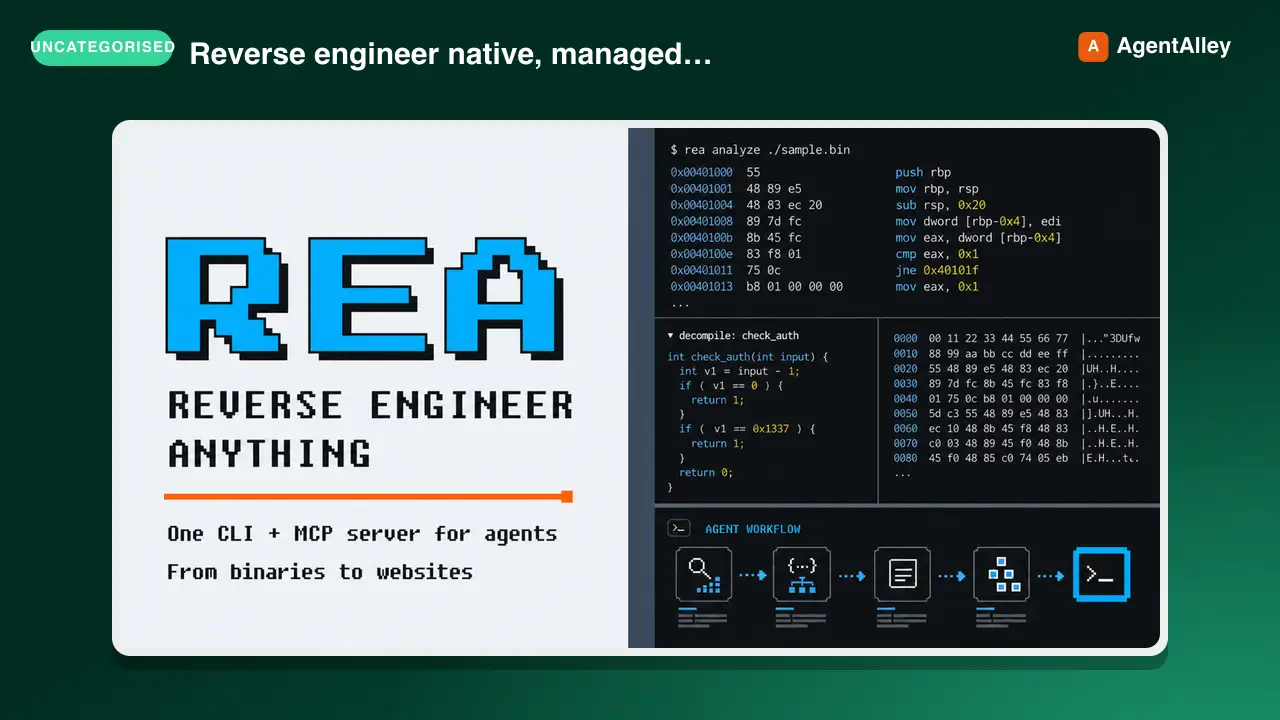 SkillCross-Platform Reverse Engineer
 morluto/rea · by morlutoReverse engineer native, managed, Electron/JavaScript, packaged, firmware, and browser targets with REA. Use shipped-artifact or requested runtime evidence to explain features, compare versions, decompile code, or guide a reconstruction. Skip REA for ordinary source-repository architecture analysis.★ 316k GitHub stars
 SkillBrainstorm Ideas
 obra/superpowers · by obraYou MUST use this before any creative work - creating features, building components, adding functionality, or modifying behavior. Explores user intent, requirements and design before implementation.★ 290k GitHub stars
 SkillCode Review Feedback Analyzerobra/superpowers · by obraUse when receiving code review feedback, before implementing suggestions, especially if feedback seems unclear or technically questionable - requires technical rigor and verification, not performative agreement or blind implementation★ 290k GitHub stars
 SkillBug Diagnosis Framework
 mattpocock/skills · by mattpocockDiagnosis loop for hard bugs and performance regressions. Use when the user says "diagnose"/"debug this", or reports something broken/throwing/failing/slow.★ 267k GitHub stars
 SkillImplement Specmattpocock/skills · by mattpocockImplement the result of /to-spec and /to-tickets in code.★ 267k GitHub stars
 SkillPR Description Writermattpocock/skills · by mattpocockUse when writing a PR body.★ 267k GitHub stars
More from inhouseseo
 SkillE-E-A-T Signal Auditor
 inhouseseo/superseo-skills · by inhouseseoUse when auditing a page for E-E-A-T signals. The agent reads the page and scores Experience, Expertise, Authoritativeness, and Trustworthiness — then tells you exactly what to add to each dimension.★ 353 GitHub stars
 SkillExpert Knowledge Extractorinhouseseo/superseo-skills · by inhouseseoUse when extracting first-party expertise from a subject-matter expert before writing content. Produces a knowledge document of contrarian takes, specific examples, and surprising outcomes that AI can't fabricate.★ 353 GitHub stars
 SkillFeatured Snippet Optimizerinhouseseo/superseo-skills · by inhouseseoUse when you want to win a featured snippet for a keyword you already rank for. The agent checks the current snippet format, analyzes your content, and rewrites the relevant section to match what Google wants.★ 353 GitHub stars
 SkillContent Rewriterinhouseseo/superseo-skills · by inhouseseoUse when rewriting or refreshing an existing page that's underperforming. The agent fetches the URL, analyzes the current content, researches the SERP, and rewrites using the full anti-AI-slop ruleset — no data exports needed.★ 353 GitHub stars
 SkillKeyword Ranking Deep Diveinhouseseo/superseo-skills · by inhouseseoUse when planning to rank for a specific keyword. The agent Googles it, reads the top 10, classifies intent, reads the top 3 competitor pages, and produces a 90-day ranking plan with intent, SERP analysis, and content recommendations.★ 353 GitHub stars
 SkillPage Audit & Recommendationsinhouseseo/superseo-skills · by inhouseseoUse when auditing a specific page's SEO performance, content quality, and competitive position. The agent fetches the URL, Googles the primary keyword, reads the top 3 competitors, and produces a full 7-dimension audit — no exports, no analytics access required.★ 353 GitHub stars