Respectful Pushback Coach
Saying No Skill
Decline a request, push back on scope, or protect priorities without burning the relationship. Use when asked how to say no, turn down a request, push back on your boss/stakeholder, decline extra work, or protect the roadmap from a pet…
---
name: saying-no
description: "Decline a request, push back on scope, or protect priorities without burning the relationship. Use when asked how to say no, turn down a request, push back on your boss/stakeholder, decline extra work, or protect the roadmap from a pet feature. Produces a graceful, firm response — the no, the honest why, an alternative or trade-off, and the exact wording, tuned to who's asking."
deprecated: 2026-08-25
supersededBy: saying-no-kindly
---

# Saying No Skill

Most people say yes to things they should decline because they don't know how to say no without seeming
difficult — and then over-commit, miss what matters, or resent it. A good no is clear, respectful, and
offers a path: it declines the request while honouring the relationship and, often, reframes it as a
trade-off rather than a flat refusal. This skill writes that no.

## Required Inputs

Ask for these only if they aren't already provided:
Overview
Most people say yes to things they should decline because they don't know how to say no without seeming difficult — and then over-commit, miss what matters, or resent it. A good no is clear, respectful, and offers a path: it declines the request while honouring the relationship and, often, reframes it as a trade-off rather than a flat refusal. This skill writes that no.
Manual install (npx, ZIP)
npx skills add mohitagw15856/pm-claude-skills --skill saying-no -g -a claude-codemkdir -p ~/.claude/skills && curl -sL https://codeload.github.com/mohitagw15856/pm-claude-skills/tar.gz/f6ca79348c55 \
| tar -xz -C ~/.claude/skills --strip-components=2 pm-claude-skills-f6ca79348c55/skills/saying-noNew-Item -ItemType Directory -Force "$HOME\.claude\skills" | Out-Null; Invoke-WebRequest "https://m.agentalley.io/zip/bb062e0b4c74cd89e9e2/saying-no.zip" -OutFile "$env:TEMP\saying-no.zip"; Expand-Archive "$env:TEMP\saying-no.zip" -DestinationPath "$HOME\.claude\skills" -ForceConnects with Agent Alley MCP · agentalley.io/mcp
Files included
SKILL.md3.6 KB
Read the files here
mohitagw15856/
Show the full text62 lines
Saying No Skill
Most people say yes to things they should decline because they don't know how to say no without seeming difficult — and then over-commit, miss what matters, or resent it. A good no is clear, respectful, and offers a path: it declines the request while honouring the relationship and, often, reframes it as a trade-off rather than a flat refusal. This skill writes that no.
Required Inputs
Ask for these only if they aren't already provided:
- The request — what's being asked, by whom (boss, peer, customer, exec), and the relationship/power dynamic.
- Why you want to decline — capacity, priorities, fit, or it's the wrong call (the honest reason shapes the no).
- Constraints — can you offer an alternative, a later yes, or a trade-off? Is a flat no required?
- Stakes — how important the relationship and the request are.
Output Format
Saying No: [the request] from [who]
1. The frame — is this a flat no, a "not now," a "yes if [trade-off]," or a "no, but here's another way"? Pick the honest one. Most good nos are trade-offs, not refusals.
2. The response — the actual wording, structured:
- Acknowledge — show you understand the request and why it matters to them.
- The no — clear and unambiguous (no false maybes that breed false hope).
- The why — honest and brief; tie it to priorities or capacity, not excuses ("to do this well I'd have to drop X — is that the trade you want?").
- The path — an alternative, a later date, a smaller version, or who else could help.
3. For "no" to a boss / stakeholder — frame it as protecting their goal: surface the trade-off and let them choose ("I can take this on, but the launch slips a week — your call"). This makes the cost visible without insubordination.
4. Hold the line — a prepared response if they push back, so you don't cave into a reluctant yes.
Tone note — warm and firm; brief beats over-justified (a pile of reasons invites negotiation of each).
Quality Checks
- The no is unambiguous — no false "maybe" that creates false hope
- It acknowledges the request and the person before declining
- The reason is honest and tied to priorities/trade-offs, not excuses
- It offers a path (alternative, later, smaller, someone else) where possible
- For upward nos, it frames the trade-off and leaves the decision with them
- There's a prepared line to hold the boundary if pushed
Anti-Patterns
- Do not give a false maybe — "let me see" to avoid the moment creates a worse letdown later
- Do not over-justify — a long list of reasons sounds defensive and invites picking each apart
- Do not say a flat "no" to a boss when a trade-off works better — make the cost visible, let them choose
- Do not apologise excessively — "I can't take this on" is fine; grovelling undermines the boundary
- Do not cave on first pushback — decide the line beforehand and have a response ready
Based On
Boundary-setting and negotiation practice — the "positive no" (William Ury), trade-off framing, and protecting priorities.
| 1 | |
| 2 | name saying-no |
| 3 | description "Decline a request, push back on scope, or protect priorities without burning the relationship. Use when asked how to say no, turn down a request, push back on your boss/stakeholder, decline extra work, or protect the roadmap from a pet feature. Produces a graceful, firm response — the no, the honest why, an alternative or trade-off, and the exact wording, tuned to who's asking." |
| 4 | deprecated 2026-08-25 |
| 5 | supersededBy saying-no-kindly |
| 6 | |
| 7 | |
| 8 | # Saying No Skill |
| 9 | |
| 10 | Most people say yes to things they should decline because they don't know how to say no without seeming |
| 11 | difficult — and then over-commit, miss what matters, or resent it. A good no is clear, respectful, and |
| 12 | offers a path: it declines the request while honouring the relationship and, often, reframes it as a |
| 13 | trade-off rather than a flat refusal. This skill writes that no. |
| 14 | |
| 15 | ## Required Inputs |
| 16 | |
| 17 | Ask for these only if they aren't already provided: |
| 18 | |
| 19 | **The request** — what's being asked, by whom (boss, peer, customer, exec), and the relationship/power dynamic. |
| 20 | **Why you want to decline** — capacity, priorities, fit, or it's the wrong call (the honest reason shapes the no). |
| 21 | **Constraints** — can you offer an alternative, a later yes, or a trade-off? Is a flat no required? |
| 22 | **Stakes** — how important the relationship and the request are. |
| 23 | |
| 24 | ## Output Format |
| 25 | |
| 26 | ### Saying No: [the request] from [who] |
| 27 | |
| 28 | **1. The frame** — is this a flat no, a "not now," a "yes if [trade-off]," or a "no, but here's another way"? Pick the honest one. Most good nos are trade-offs, not refusals. |
| 29 | |
| 30 | **2. The response** — the actual wording, structured: |
| 31 | **Acknowledge** — show you understand the request and why it matters to them. |
| 32 | **The no** — clear and unambiguous (no false maybes that breed false hope). |
| 33 | **The why** — honest and brief; tie it to priorities or capacity, not excuses ("to do this well I'd have to drop X — is that the trade you want?"). |
| 34 | **The path** — an alternative, a later date, a smaller version, or who else could help. |
| 35 | |
| 36 | **3. For "no" to a boss / stakeholder** — frame it as protecting *their* goal: surface the trade-off and let them choose ("I can take this on, but the launch slips a week — your call"). This makes the cost visible without insubordination. |
| 37 | |
| 38 | **4. Hold the line** — a prepared response if they push back, so you don't cave into a reluctant yes. |
| 39 | |
| 40 | **Tone note** — warm and firm; brief beats over-justified (a pile of reasons invites negotiation of each). |
| 41 | |
| 42 | ## Quality Checks |
| 43 | |
| 44 | [ ] The no is unambiguous — no false "maybe" that creates false hope |
| 45 | [ ] It acknowledges the request and the person before declining |
| 46 | [ ] The reason is honest and tied to priorities/trade-offs, not excuses |
| 47 | [ ] It offers a path (alternative, later, smaller, someone else) where possible |
| 48 | [ ] For upward nos, it frames the trade-off and leaves the decision with them |
| 49 | [ ] There's a prepared line to hold the boundary if pushed |
| 50 | |
| 51 | ## Anti-Patterns |
| 52 | |
| 53 | [ ] Do not give a false maybe — "let me see" to avoid the moment creates a worse letdown later |
| 54 | [ ] Do not over-justify — a long list of reasons sounds defensive and invites picking each apart |
| 55 | [ ] Do not say a flat "no" to a boss when a trade-off works better — make the cost visible, let them choose |
| 56 | [ ] Do not apologise excessively — "I can't take this on" is fine; grovelling undermines the boundary |
| 57 | [ ] Do not cave on first pushback — decide the line beforehand and have a response ready |
| 58 | |
| 59 | ## Based On |
| 60 | |
| 61 | Boundary-setting and negotiation practice — the "positive no" (William Ury), trade-off framing, and protecting priorities. |
| 62 |
Details
- Updated
- Sep 23, 2026
- License
- MIT
- Stars on the repo
- ★ 1,395
- Checked
- Source
- mohitagw15856/pm-claude-skills ↗
- Creator
- mohitagw15856 · 191 listings
Similar skills
See all →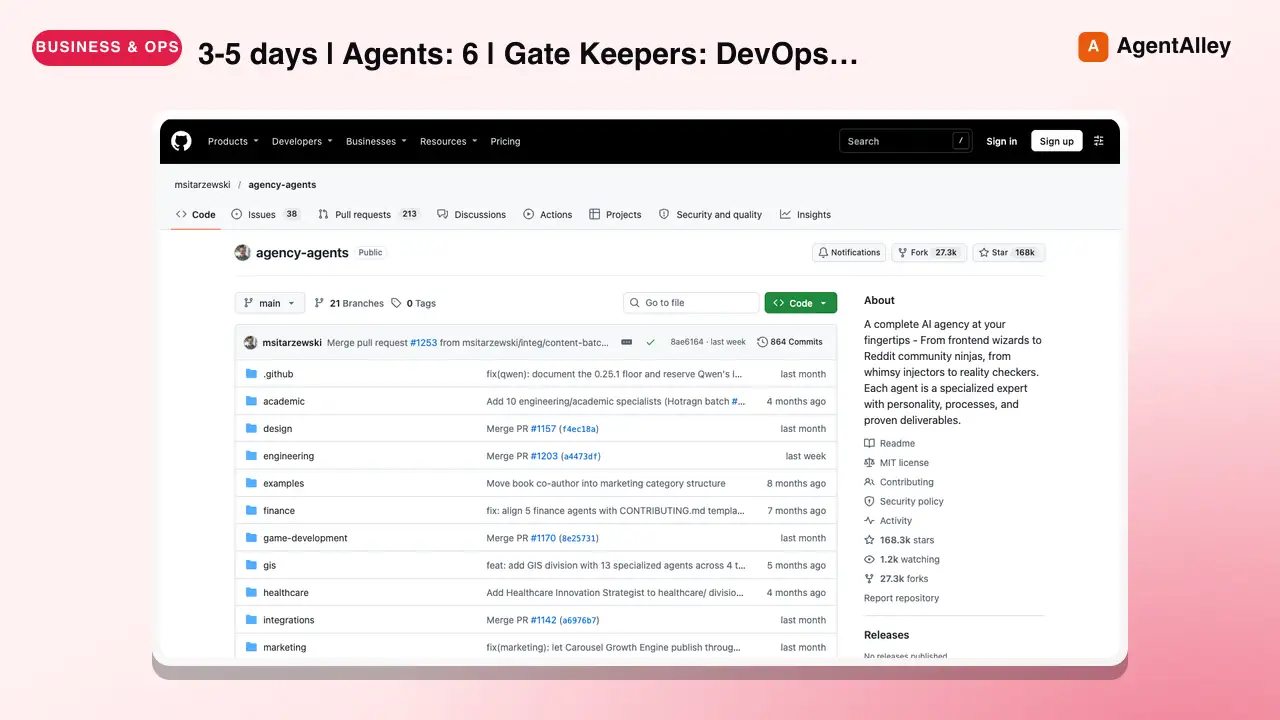 AgentPhase 2: Foundation Scaffolding
 msitarzewski/agency-agents · by msitarzewski> Duration: 3-5 days | Agents: 6 | Gate Keepers: DevOps Automator + Evidence Collector★ 154k GitHub stars
 AgentNEXUS Network Frameworkmsitarzewski/agency-agents · by msitarzewski> NEXUS transforms The Agency's independent AI specialists into a synchronized intelligence network. This is not a prompt collection — it…★ 154k GitHub stars
 SkillAnsoff Matrix Generator
 phuryn/pm-skills · by phurynGenerate an Ansoff Matrix analysis mapping growth strategies across market penetration, market development, product development, and diversification. Use when considering growth options, planning market expansion, or evaluating strategic growth paths.★ 26.6k GitHub stars
 SkillArchitecture Advisor
 shadcn/improve · by shadcnSurvey any codebase as a senior advisor and produce prioritized, self-contained implementation plans for OTHER models/agents to execute. Strictly read-only on source code — never implements, fixes, or refactors anything itself. Use when asked to audit a codebase, find improvement opportunities (bugs, security, performance, test coverage, tech debt, migrations, DX), suggest features or where to take the project next (roadmap, product direction), or generate handoff plans for another agent to implement.★ 9.2k GitHub stars
 SkillCareer Skills Translator
 Paramchoudhary/ResumeSkills · by ParamchoudharyTranslate skills from one industry to another, identify transferable skills★ 2.4k GitHub stars
 SkillMarketing Skills Collection
 LeoYeAI/openclaw-marketing-skills · by LeoYeAIA collection of 37 battle-tested marketing skills for OpenClaw agents. Use when you want to install or reference any marketing skill including: CRO (page-cro, signup-flow-cro, onboarding-cro, form-cro, popup-cro, paywall-upgrade-cro), copywriting, copy-editing, cold-email, email-sequence, social-content, seo-audit, ai-seo, programmatic-seo, site-architecture, schema-markup, content-strategy, paid-ads, ad-creative, ab-test-setup, analytics-tracking, referral-program, free-tool-strategy, churn-prevention, revops, sales-enablement, launch-strategy, pricing-strategy, competitor-alternatives, marketing-ideas, marketing-psychology, lead-magnets, product-marketing-context, and data connectors (google-ads-connect, search-console-connect, meta-ads-connect, x-twitter-connect). Start with product-marketing-context to set up your product context document, then use any other skill naturally. Powered by MyClaw.ai.★ 1k GitHub stars
More from mohitagw15856
 Skill360 Feedback Survey
 mohitagw15856/pm-claude-skills · by mohitagw15856Design a 360-degree feedback survey or write a structured 360 feedback report. Use when asked to build a 360 feedback process, write 360 feedback for a colleague, design a feedback survey, or produce a feedback report. Produces either a complete survey instrument with rating scales and open-ended questions, or a structured narrative feedback report with themes, strengths, and development areas.★ 1.4k GitHub stars
 SkillExperiment Design Plannermohitagw15856/pm-claude-skills · by mohitagw15856Design statistically rigorous A/B tests for product features, UI changes, onboarding flows, and pricing experiments. Use when asked to set up an experiment, design an A/B test, calculate sample size, or interpret test results. Produces a complete test plan with hypothesis, variant definitions, sample size, duration estimate, guardrail metrics, and a results interpretation guide.★ 1.4k GitHub stars
 SkillWeb Accessibility Auditormohitagw15856/pm-claude-skills · by mohitagw15856Generate a WCAG 2.2 accessibility audit checklist and remediation suggestions for any UI or design. Use when asked to audit for accessibility, check WCAG compliance, review a design for a11y issues, or create an accessibility remediation plan. Produces a prioritised checklist with pass/fail assessments and specific fixes.★ 1.4k GitHub stars
 SkillKey Account Plannermohitagw15856/pm-claude-skills · by mohitagw15856Build a structured account plan for any key customer or target account. Use when asked to create an account plan, key account strategy, strategic account review, or territory plan. Produces a complete account plan with relationship map, growth opportunities, risks, and 90-day action plan.★ 1.4k GitHub stars
 SkillAEO Optimizermohitagw15856/pm-claude-skills · by mohitagw15856Optimize an article for Answer Engine Optimization (AEO) so AI engines like ChatGPT, Perplexity, and Claude can extract, quote, and cite it. Use when asked to AEO-optimize, make content AI-readable, improve AI citation chances, or adapt an article for answer engines. Produces an AEO-optimised rewrite with question headings, 50–80 word answer capsules, a paragraph-length audit, and flagged trust signals.★ 1.4k GitHub stars
 SkillAI Ethics Review Conductormohitagw15856/pm-claude-skills · by mohitagw15856Conduct a structured ethical review of an AI or ML feature, model, or product. Use when preparing to deploy an AI system, assessing algorithmic risk, auditing a model for bias, or producing a responsible AI impact assessment. Produces a structured ethics review covering fairness, transparency, privacy, safety, accountability, and societal impact with a risk tier score, pre-deployment checklist, and prioritised mitigations.★ 1.4k GitHub stars