Code Tutorial Template
Template: Tutorial (Code/Tool Walkthrough)
Target Length: 2,000-3,000 words
# Template: Tutorial (Code/Tool Walkthrough)

**Template ID:** tutorial
**Target Length:** 2,000-3,000 words
**Content Type:** Technical walkthrough with step-by-step instructions
**Primary Search Intent:** Informational / Transactional ("how to," "tutorial," "guide," "setup")

## When to Use This Template

Use this template when:
- Teaching readers how to build, configure, or implement something specific
- The outcome is a working piece of code, a configured tool, or a completed setup
- The audience needs to follow along step by step
- Search queries include "how to," "tutorial," "step by step," "setup," "install," "configure"
- You have hands-on experience with the tool/technology and can share optimization tips

Do NOT use this template for:
- High-level strategy or opinion pieces (use news-analysis or data-research)
Overview
Template ID: tutorial Target Length: 2,000-3,000 words Content Type: Technical walkthrough with step-by-step instructions Primary Search Intent: Informational / Transactional ("how to," "tutorial," "guide," "setup")
Manual install (npx, ZIP)
npx skills add AgriciDaniel/claude-blog --skill template-tutorial-code-tool-walkthrough -g -a claude-codeConnects with Agent Alley MCP · agentalley.io/mcp
Files included
tutorial.md10.1 KB
Read tutorial.md here
AgriciDaniel/
Show the full text382 lines
Template: Tutorial (Code/Tool Walkthrough)
Template ID: tutorial Target Length: 2,000-3,000 words Content Type: Technical walkthrough with step-by-step instructions Primary Search Intent: Informational / Transactional ("how to," "tutorial," "guide," "setup")
When to Use This Template
Use this template when:
- Teaching readers how to build, configure, or implement something specific
- The outcome is a working piece of code, a configured tool, or a completed setup
- The audience needs to follow along step by step
- Search queries include "how to," "tutorial," "step by step," "setup," "install," "configure"
- You have hands-on experience with the tool/technology and can share optimization tips
Do NOT use this template for:
- High-level strategy or opinion pieces (use news-analysis or data-research)
- Reference/FAQ content (use faq-knowledge)
- Content without concrete, reproducible steps
Title Format
[Tool/Technology] Tutorial: [Specific Outcome] in [Year]
Examples:
- "Claude Code Tutorial: Building a Blog Automation Pipeline in 2026"
- "Next.js 15 Tutorial: Server Components API Route in 2026"
- "Docker Compose Tutorial: Multi-Container Dev Environment in 2026"
Title Rules:
- Include the primary tool/technology name
- State the specific outcome the reader will achieve
- Include the current year for freshness signals
- Keep under 60 characters for full SERP display when possible
Section-by-Section Structure
TL;DR Box (40-60 words)
[ANSWER-FIRST] Summarize what the reader will build or achieve in 2-3 sentences. State the end result, the primary tool, and the approximate time to complete. This box should be extractable as a standalone snippet.
> **TL;DR:** [What you'll build/achieve in one sentence]. Using [primary tool/technology],
> you'll [specific outcome] in approximately [time estimate]. By the end, you'll have
> [concrete deliverable]. No prior experience with [tool] is required beyond [minimum prerequisite].
[INFO-GAIN: state what makes this tutorial different from existing ones - unique approach, updated method, or real-world context]
Prerequisites (100-150 words)
[ANSWER-FIRST] State exactly what the reader needs before starting. Be specific about versions.
Include:
- Required tools with exact version numbers
- Operating system compatibility notes
- Prior knowledge level (beginner/intermediate/advanced)
- Accounts or API keys needed
- Estimated completion time
**You'll need:**
- [Tool 1] v[X.X] or later ([install link])
- [Tool 2] v[X.X] or later ([install link])
- [Account/API key] ([signup link])
- Basic familiarity with [concept]
- ~[N] minutes to complete

**Tested on:** [OS/environment details]
[STAT: adoption rate or popularity metric for the primary tool to validate the tutorial's relevance]
What We're Building (100-150 words)
[ANSWER-FIRST] Describe the end result in concrete terms. What does the finished product do? What does it look like?
Here's what the finished [project] looks like:

[IMAGE: screenshot or demo of the completed project]

**What it does:**
- [Capability 1]
- [Capability 2]
- [Capability 3]

**Architecture overview:**
[VISUAL: simple-diagram showing components/data flow]
[INTERNAL-LINK: link to any prerequisite tutorials or foundational concepts]
Setup (200-300 words)
[ANSWER-FIRST] State what the setup accomplishes and how long it takes.
Structure:
- Environment setup (directory structure, project initialization)
- Installation of dependencies
- Configuration files
- Verification that setup is correct
## Setting Up Your Environment

[ANSWER-FIRST] The setup takes approximately [N] minutes and gets your [tool/environment] ready for [the tutorial steps].

### Step 1: [Initialize/Create/Clone]

[Brief explanation of what this does and why]

\`\`\`bash
# [Descriptive comment]
[command 1]
[command 2]
\`\`\`

### Step 2: [Install Dependencies]

\`\`\`bash
# [Descriptive comment]
[command]
\`\`\`

### Step 3: [Configure]

\`\`\`[language]
// [config filename]
{
  [configuration with inline comments]
}
\`\`\`

[IMAGE: screenshot of setup completion / expected terminal output]

**Verify your setup:**

\`\`\`bash
[verification command]
\`\`\`

Expected output:
\`\`\`
[expected output]
\`\`\`
Common setup errors:
| Error | Cause | Fix |
|---|---|---|
| [Error message] | [Why it happens] | [How to fix] |
| [Error message] | [Why it happens] | [How to fix] |
Step-by-Step Sections (300-400 words each, 4-6 steps)
Each step is an H2 heading. Follow this structure for every step:
## Step [N]: [Action Verb] + [What You're Doing]

[ANSWER-FIRST] In this step, you'll [what this step accomplishes] so that [why it matters for the final outcome].

[Brief explanation of the concept behind this step - 2-3 sentences max]

\`\`\`[language]
// [filename where this code goes]

[code block with detailed inline comments]

// [Explain non-obvious lines]
\`\`\`

[IMAGE: screenshot showing the result of this step]

**What just happened:** [1-2 sentence explanation of what the code does]

**Expected output:**

\`\`\`
[terminal output or browser result]
\`\`\`

[INFO-GAIN: optimization tips from experience - what to tweak, performance considerations, or real-world adjustments you've discovered]

> **Watch out:** [Common mistake at this step and how to avoid it]

[INTERNAL-LINK: link to deeper explanation of key concepts used in this step]
Rules for step sections:
- Each step should produce a visible, testable result
- Code blocks must be complete and copy-pasteable (no ellipsis or "..." shortcuts)
- Include the filename where code should be placed
- Show expected output so readers can verify they're on track
- Address the most common error for each step inline
- Each step builds on the previous one - never skip dependencies
Testing/Verification (200-300 words)
[ANSWER-FIRST] Describe how to verify the complete project works as expected.
## Testing Your [Project]

[ANSWER-FIRST] Run these [N] tests to verify everything works correctly.

### Quick Smoke Test

\`\`\`bash
[single command that verifies basic functionality]
\`\`\`

Expected result:
\`\`\`
[expected output]
\`\`\`

### Full Test Suite

\`\`\`bash
[command to run all tests]
\`\`\`

[IMAGE: screenshot of passing tests]

### Manual Verification Checklist

- [ ] [Check 1]: [How to verify]
- [ ] [Check 2]: [How to verify]
- [ ] [Check 3]: [How to verify]

[VISUAL: flowchart of the verification process if complex]
Troubleshooting (200-300 words)
[ANSWER-FIRST] List the most common issues readers encounter and their solutions.
## Troubleshooting

[ANSWER-FIRST] Here are the [N] most common issues and how to fix them.

| Problem | Symptom | Solution |
|---------|---------|----------|
| [Issue 1] | [What you see] | [Exact fix with command] |
| [Issue 2] | [What you see] | [Exact fix with command] |
| [Issue 3] | [What you see] | [Exact fix with command] |
| [Issue 4] | [What you see] | [Exact fix with command] |
| [Issue 5] | [What you see] | [Exact fix with command] |

[INFO-GAIN: edge cases or environment-specific issues discovered through real-world testing]

**Still stuck?** [Link to community, issue tracker, or support channel]
[STAT: percentage of users who encounter each issue, if available from documentation or forums]
Next Steps (100-150 words)
[ANSWER-FIRST] Tell the reader what to do next to extend or build on what they've learned.
## Next Steps

[ANSWER-FIRST] Now that you have a working [project], here's how to take it further.

**Extend this project:**
- [Enhancement 1]: [Brief description] - [INTERNAL-LINK to related tutorial]
- [Enhancement 2]: [Brief description] - [INTERNAL-LINK to related tutorial]
- [Enhancement 3]: [Brief description]

**Related tutorials:**
- [INTERNAL-LINK: prerequisite or foundational tutorial]
- [INTERNAL-LINK: advanced tutorial building on this one]
- [INTERNAL-LINK: alternative approach or complementary tool]

**Official resources:**
- [Link to official documentation]
- [Link to GitHub repo or examples]
FAQ (3-5 Technical Questions)
[ANSWER-FIRST] for each question. Each answer should be self-contained and extractable.
## Frequently Asked Questions

### [Question 1 - phrased as users would search it]?

[ANSWER-FIRST] [Direct answer in 1-2 sentences]. [Supporting detail or example].

[STAT: relevant data point if applicable]

### [Question 2]?

[ANSWER-FIRST] [Direct answer in 1-2 sentences]. [Supporting detail or code snippet].

### [Question 3]?

[ANSWER-FIRST] [Direct answer in 1-2 sentences]. [Comparison or recommendation].

[INTERNAL-LINK: link to content that covers this question in depth]
FAQ Rules:
- Phrase questions exactly as users would type them into a search engine
- Answer in the first sentence - no throat-clearing
- Include code snippets in answers when relevant
- Target Google Featured Snippet extraction (40-60 word answers)
Full Source Code Reference
## Complete Source Code

[Expandable block or link to full source]

<details>
<summary>Click to expand full source code</summary>

\`\`\`[language]
[Complete, runnable source code with comments]
\`\`\`

</details>

**GitHub repository:** [link if applicable]
Content Checklist
Before publishing, verify:
- Title includes tool name, specific outcome, and year
- TL;DR is 40-60 words and extractable as a snippet
- All prerequisites are listed with exact versions
- Every code block is complete and copy-pasteable
- Every step produces a visible, testable result
- Expected output is shown after each code block
- At least 4 [IMAGE] markers placed at key visual moments
- At least 2 [INFO-GAIN] sections with original tips/experience
- At least 2 [STAT] markers with relevant data points
- At least 1 [VISUAL] marker for architecture or flow diagrams
- Troubleshooting table has 5+ common errors
- FAQ has 3-5 questions phrased as search queries
- [INTERNAL-LINK] zones placed in Prerequisites, Steps, Next Steps, and FAQ
- Full source code is included at the end
- All code tested and verified before publishing
| 1 | # Template: Tutorial (Code/Tool Walkthrough) |
| 2 | |
| 3 | **Template ID:** tutorial |
| 4 | **Target Length:** 2,000-3,000 words |
| 5 | **Content Type:** Technical walkthrough with step-by-step instructions |
| 6 | **Primary Search Intent:** Informational / Transactional ("how to," "tutorial," "guide," "setup") |
| 7 | |
| 8 | ## When to Use This Template |
| 9 | |
| 10 | Use this template when: |
| 11 | Teaching readers how to build, configure, or implement something specific |
| 12 | The outcome is a working piece of code, a configured tool, or a completed setup |
| 13 | The audience needs to follow along step by step |
| 14 | Search queries include "how to," "tutorial," "step by step," "setup," "install," "configure" |
| 15 | You have hands-on experience with the tool/technology and can share optimization tips |
| 16 | |
| 17 | Do NOT use this template for: |
| 18 | High-level strategy or opinion pieces (use news-analysis or data-research) |
| 19 | Reference/FAQ content (use faq-knowledge) |
| 20 | Content without concrete, reproducible steps |
| 21 | |
| 22 | |
| 23 | |
| 24 | ## Title Format |
| 25 | |
| 26 | |
| 27 | [Tool/Technology] Tutorial: [Specific Outcome] in [Year] |
| 28 | |
| 29 | |
| 30 | **Examples:** |
| 31 | "Claude Code Tutorial: Building a Blog Automation Pipeline in 2026" |
| 32 | "Next.js 15 Tutorial: Server Components API Route in 2026" |
| 33 | "Docker Compose Tutorial: Multi-Container Dev Environment in 2026" |
| 34 | |
| 35 | **Title Rules:** |
| 36 | Include the primary tool/technology name |
| 37 | State the specific outcome the reader will achieve |
| 38 | Include the current year for freshness signals |
| 39 | Keep under 60 characters for full SERP display when possible |
| 40 | |
| 41 | |
| 42 | |
| 43 | ## Section-by-Section Structure |
| 44 | |
| 45 | |
| 46 | |
| 47 | ### TL;DR Box (40-60 words) |
| 48 | |
| 49 | [ANSWER-FIRST] Summarize what the reader will build or achieve in 2-3 sentences. State the end result, the primary tool, and the approximate time to complete. This box should be extractable as a standalone snippet. |
| 50 | |
| 51 | |
| 52 | > **TL;DR:** [What you'll build/achieve in one sentence]. Using [primary tool/technology], |
| 53 | > you'll [specific outcome] in approximately [time estimate]. By the end, you'll have |
| 54 | > [concrete deliverable]. No prior experience with [tool] is required beyond [minimum prerequisite]. |
| 55 | |
| 56 | |
| 57 | [INFO-GAIN: state what makes this tutorial different from existing ones - unique approach, updated method, or real-world context] |
| 58 | |
| 59 | |
| 60 | |
| 61 | ### Prerequisites (100-150 words) |
| 62 | |
| 63 | [ANSWER-FIRST] State exactly what the reader needs before starting. Be specific about versions. |
| 64 | |
| 65 | **Include:** |
| 66 | Required tools with exact version numbers |
| 67 | Operating system compatibility notes |
| 68 | Prior knowledge level (beginner/intermediate/advanced) |
| 69 | Accounts or API keys needed |
| 70 | Estimated completion time |
| 71 | |
| 72 | |
| 73 | **You'll need:** |
| 74 | - [Tool 1] v[X.X] or later ([install link]) |
| 75 | - [Tool 2] v[X.X] or later ([install link]) |
| 76 | - [Account/API key] ([signup link]) |
| 77 | - Basic familiarity with [concept] |
| 78 | - ~[N] minutes to complete |
| 79 | |
| 80 | **Tested on:** [OS/environment details] |
| 81 | |
| 82 | |
| 83 | [STAT: adoption rate or popularity metric for the primary tool to validate the tutorial's relevance] |
| 84 | |
| 85 | |
| 86 | |
| 87 | ### What We're Building (100-150 words) |
| 88 | |
| 89 | [ANSWER-FIRST] Describe the end result in concrete terms. What does the finished product do? What does it look like? |
| 90 | |
| 91 | |
| 92 | Here's what the finished [project] looks like: |
| 93 | |
| 94 | [IMAGE: screenshot or demo of the completed project] |
| 95 | |
| 96 | **What it does:** |
| 97 | - [Capability 1] |
| 98 | - [Capability 2] |
| 99 | - [Capability 3] |
| 100 | |
| 101 | **Architecture overview:** |
| 102 | [VISUAL: simple-diagram showing components/data flow] |
| 103 | |
| 104 | |
| 105 | [INTERNAL-LINK: link to any prerequisite tutorials or foundational concepts] |
| 106 | |
| 107 | |
| 108 | |
| 109 | ### Setup (200-300 words) |
| 110 | |
| 111 | [ANSWER-FIRST] State what the setup accomplishes and how long it takes. |
| 112 | |
| 113 | **Structure:** |
| 114 | Environment setup (directory structure, project initialization) |
| 115 | Installation of dependencies |
| 116 | Configuration files |
| 117 | Verification that setup is correct |
| 118 | |
| 119 | |
| 120 | ## Setting Up Your Environment |
| 121 | |
| 122 | [ANSWER-FIRST] The setup takes approximately [N] minutes and gets your [tool/environment] ready for [the tutorial steps]. |
| 123 | |
| 124 | ### Step 1: [Initialize/Create/Clone] |
| 125 | |
| 126 | [Brief explanation of what this does and why] |
| 127 | |
| 128 | \`\`\`bash |
| 129 | # [Descriptive comment] |
| 130 | [command 1] |
| 131 | [command 2] |
| 132 | \`\`\` |
| 133 | |
| 134 | ### Step 2: [Install Dependencies] |
| 135 | |
| 136 | \`\`\`bash |
| 137 | # [Descriptive comment] |
| 138 | [command] |
| 139 | \`\`\` |
| 140 | |
| 141 | ### Step 3: [Configure] |
| 142 | |
| 143 | \`\`\`[language] |
| 144 | // [config filename] |
| 145 | { |
| 146 | [configuration with inline comments] |
| 147 | } |
| 148 | \`\`\` |
| 149 | |
| 150 | [IMAGE: screenshot of setup completion / expected terminal output] |
| 151 | |
| 152 | **Verify your setup:** |
| 153 | |
| 154 | \`\`\`bash |
| 155 | [verification command] |
| 156 | \`\`\` |
| 157 | |
| 158 | Expected output: |
| 159 | \`\`\` |
| 160 | [expected output] |
| 161 | \`\`\` |
| 162 | |
| 163 | |
| 164 | **Common setup errors:** |
| 165 | |
| 166 | | Error | Cause | Fix | |
| 167 | |-------|-------|-----| |
| 168 | | [Error message] | [Why it happens] | [How to fix] | |
| 169 | | [Error message] | [Why it happens] | [How to fix] | |
| 170 | |
| 171 | |
| 172 | |
| 173 | ### Step-by-Step Sections (300-400 words each, 4-6 steps) |
| 174 | |
| 175 | Each step is an H2 heading. Follow this structure for every step: |
| 176 | |
| 177 | |
| 178 | ## Step [N]: [Action Verb] + [What You're Doing] |
| 179 | |
| 180 | [ANSWER-FIRST] In this step, you'll [what this step accomplishes] so that [why it matters for the final outcome]. |
| 181 | |
| 182 | [Brief explanation of the concept behind this step - 2-3 sentences max] |
| 183 | |
| 184 | \`\`\`[language] |
| 185 | // [filename where this code goes] |
| 186 | |
| 187 | [code block with detailed inline comments] |
| 188 | |
| 189 | // [Explain non-obvious lines] |
| 190 | \`\`\` |
| 191 | |
| 192 | [IMAGE: screenshot showing the result of this step] |
| 193 | |
| 194 | **What just happened:** [1-2 sentence explanation of what the code does] |
| 195 | |
| 196 | **Expected output:** |
| 197 | |
| 198 | \`\`\` |
| 199 | [terminal output or browser result] |
| 200 | \`\`\` |
| 201 | |
| 202 | [INFO-GAIN: optimization tips from experience - what to tweak, performance considerations, or real-world adjustments you've discovered] |
| 203 | |
| 204 | > **Watch out:** [Common mistake at this step and how to avoid it] |
| 205 | |
| 206 | [INTERNAL-LINK: link to deeper explanation of key concepts used in this step] |
| 207 | |
| 208 | |
| 209 | **Rules for step sections:** |
| 210 | Each step should produce a visible, testable result |
| 211 | Code blocks must be complete and copy-pasteable (no ellipsis or "..." shortcuts) |
| 212 | Include the filename where code should be placed |
| 213 | Show expected output so readers can verify they're on track |
| 214 | Address the most common error for each step inline |
| 215 | Each step builds on the previous one - never skip dependencies |
| 216 | |
| 217 | |
| 218 | |
| 219 | ### Testing/Verification (200-300 words) |
| 220 | |
| 221 | [ANSWER-FIRST] Describe how to verify the complete project works as expected. |
| 222 | |
| 223 | |
| 224 | ## Testing Your [Project] |
| 225 | |
| 226 | [ANSWER-FIRST] Run these [N] tests to verify everything works correctly. |
| 227 | |
| 228 | ### Quick Smoke Test |
| 229 | |
| 230 | \`\`\`bash |
| 231 | [single command that verifies basic functionality] |
| 232 | \`\`\` |
| 233 | |
| 234 | Expected result: |
| 235 | \`\`\` |
| 236 | [expected output] |
| 237 | \`\`\` |
| 238 | |
| 239 | ### Full Test Suite |
| 240 | |
| 241 | \`\`\`bash |
| 242 | [command to run all tests] |
| 243 | \`\`\` |
| 244 | |
| 245 | [IMAGE: screenshot of passing tests] |
| 246 | |
| 247 | ### Manual Verification Checklist |
| 248 | |
| 249 | - [ ] [Check 1]: [How to verify] |
| 250 | - [ ] [Check 2]: [How to verify] |
| 251 | - [ ] [Check 3]: [How to verify] |
| 252 | |
| 253 | [VISUAL: flowchart of the verification process if complex] |
| 254 | |
| 255 | |
| 256 | |
| 257 | |
| 258 | ### Troubleshooting (200-300 words) |
| 259 | |
| 260 | [ANSWER-FIRST] List the most common issues readers encounter and their solutions. |
| 261 | |
| 262 | |
| 263 | ## Troubleshooting |
| 264 | |
| 265 | [ANSWER-FIRST] Here are the [N] most common issues and how to fix them. |
| 266 | |
| 267 | | Problem | Symptom | Solution | |
| 268 | |---------|---------|----------| |
| 269 | | [Issue 1] | [What you see] | [Exact fix with command] | |
| 270 | | [Issue 2] | [What you see] | [Exact fix with command] | |
| 271 | | [Issue 3] | [What you see] | [Exact fix with command] | |
| 272 | | [Issue 4] | [What you see] | [Exact fix with command] | |
| 273 | | [Issue 5] | [What you see] | [Exact fix with command] | |
| 274 | |
| 275 | [INFO-GAIN: edge cases or environment-specific issues discovered through real-world testing] |
| 276 | |
| 277 | **Still stuck?** [Link to community, issue tracker, or support channel] |
| 278 | |
| 279 | |
| 280 | [STAT: percentage of users who encounter each issue, if available from documentation or forums] |
| 281 | |
| 282 | |
| 283 | |
| 284 | ### Next Steps (100-150 words) |
| 285 | |
| 286 | [ANSWER-FIRST] Tell the reader what to do next to extend or build on what they've learned. |
| 287 | |
| 288 | |
| 289 | ## Next Steps |
| 290 | |
| 291 | [ANSWER-FIRST] Now that you have a working [project], here's how to take it further. |
| 292 | |
| 293 | **Extend this project:** |
| 294 | - [Enhancement 1]: [Brief description] - [INTERNAL-LINK to related tutorial] |
| 295 | - [Enhancement 2]: [Brief description] - [INTERNAL-LINK to related tutorial] |
| 296 | - [Enhancement 3]: [Brief description] |
| 297 | |
| 298 | **Related tutorials:** |
| 299 | - [INTERNAL-LINK: prerequisite or foundational tutorial] |
| 300 | - [INTERNAL-LINK: advanced tutorial building on this one] |
| 301 | - [INTERNAL-LINK: alternative approach or complementary tool] |
| 302 | |
| 303 | **Official resources:** |
| 304 | - [Link to official documentation] |
| 305 | - [Link to GitHub repo or examples] |
| 306 | |
| 307 | |
| 308 | |
| 309 | |
| 310 | ### FAQ (3-5 Technical Questions) |
| 311 | |
| 312 | [ANSWER-FIRST] for each question. Each answer should be self-contained and extractable. |
| 313 | |
| 314 | |
| 315 | ## Frequently Asked Questions |
| 316 | |
| 317 | ### [Question 1 - phrased as users would search it]? |
| 318 | |
| 319 | [ANSWER-FIRST] [Direct answer in 1-2 sentences]. [Supporting detail or example]. |
| 320 | |
| 321 | [STAT: relevant data point if applicable] |
| 322 | |
| 323 | ### [Question 2]? |
| 324 | |
| 325 | [ANSWER-FIRST] [Direct answer in 1-2 sentences]. [Supporting detail or code snippet]. |
| 326 | |
| 327 | ### [Question 3]? |
| 328 | |
| 329 | [ANSWER-FIRST] [Direct answer in 1-2 sentences]. [Comparison or recommendation]. |
| 330 | |
| 331 | [INTERNAL-LINK: link to content that covers this question in depth] |
| 332 | |
| 333 | |
| 334 | **FAQ Rules:** |
| 335 | Phrase questions exactly as users would type them into a search engine |
| 336 | Answer in the first sentence - no throat-clearing |
| 337 | Include code snippets in answers when relevant |
| 338 | Target Google Featured Snippet extraction (40-60 word answers) |
| 339 | |
| 340 | |
| 341 | |
| 342 | ### Full Source Code Reference |
| 343 | |
| 344 | |
| 345 | ## Complete Source Code |
| 346 | |
| 347 | [Expandable block or link to full source] |
| 348 | |
| 349 | <details> |
| 350 | <summary>Click to expand full source code</summary> |
| 351 | |
| 352 | \`\`\`[language] |
| 353 | [Complete, runnable source code with comments] |
| 354 | \`\`\` |
| 355 | |
| 356 | </details> |
| 357 | |
| 358 | **GitHub repository:** [link if applicable] |
| 359 | |
| 360 | |
| 361 | |
| 362 | |
| 363 | ## Content Checklist |
| 364 | |
| 365 | Before publishing, verify: |
| 366 | |
| 367 | [ ] Title includes tool name, specific outcome, and year |
| 368 | [ ] TL;DR is 40-60 words and extractable as a snippet |
| 369 | [ ] All prerequisites are listed with exact versions |
| 370 | [ ] Every code block is complete and copy-pasteable |
| 371 | [ ] Every step produces a visible, testable result |
| 372 | [ ] Expected output is shown after each code block |
| 373 | [ ] At least 4 [IMAGE] markers placed at key visual moments |
| 374 | [ ] At least 2 [INFO-GAIN] sections with original tips/experience |
| 375 | [ ] At least 2 [STAT] markers with relevant data points |
| 376 | [ ] At least 1 [VISUAL] marker for architecture or flow diagrams |
| 377 | [ ] Troubleshooting table has 5+ common errors |
| 378 | [ ] FAQ has 3-5 questions phrased as search queries |
| 379 | [ ] [INTERNAL-LINK] zones placed in Prerequisites, Steps, Next Steps, and FAQ |
| 380 | [ ] Full source code is included at the end |
| 381 | [ ] All code tested and verified before publishing |
| 382 |
Details
- Updated
- Sep 18, 2026
- License
- MIT
- Stars on the repo
- ★ 2,219
- Checked
- Source
- AgriciDaniel/claude-blog ↗
- Creator
- AgriciDaniel · 129 listings
Similar skills
See all →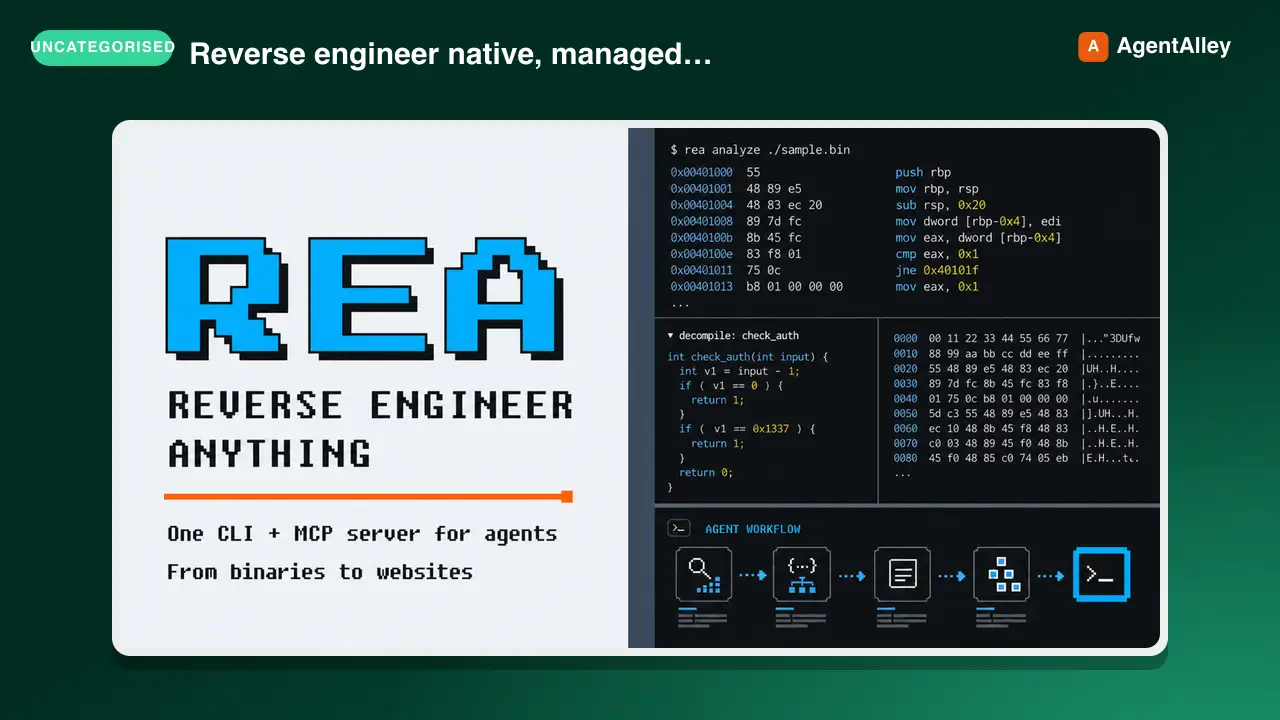 SkillCross-Platform Reverse Engineer
 morluto/rea · by morlutoReverse engineer native, managed, Electron/JavaScript, packaged, firmware, and browser targets with REA. Use shipped-artifact or requested runtime evidence to explain features, compare versions, decompile code, or guide a reconstruction. Skip REA for ordinary source-repository architecture analysis.★ 316k GitHub stars
 SkillBrainstorm Ideas
 obra/superpowers · by obraYou MUST use this before any creative work - creating features, building components, adding functionality, or modifying behavior. Explores user intent, requirements and design before implementation.★ 290k GitHub stars
 SkillCode Review Feedback Analyzerobra/superpowers · by obraUse when receiving code review feedback, before implementing suggestions, especially if feedback seems unclear or technically questionable - requires technical rigor and verification, not performative agreement or blind implementation★ 290k GitHub stars
 SkillBug Diagnosis Framework
 mattpocock/skills · by mattpocockDiagnosis loop for hard bugs and performance regressions. Use when the user says "diagnose"/"debug this", or reports something broken/throwing/failing/slow.★ 267k GitHub stars
 SkillImplement Specmattpocock/skills · by mattpocockImplement the result of /to-spec and /to-tickets in code.★ 267k GitHub stars
 SkillPR Description Writermattpocock/skills · by mattpocockUse when writing a PR body.★ 267k GitHub stars
More from AgriciDaniel
 SkillAgent Browsing Auditor
 AgriciDaniel/claude-seo · by AgriciDanielAudit and fix agent readiness: the Lighthouse Agentic Browsing fraction, accessibility tree for agents, robots.txt and Content-Signal for AI agents, WAF treatment of agent traffic, llms.txt, Markdown delivery, ai-catalog.json, /.well-known discovery files, and WebMCP tools. Exclude AI citability and brand signals (seo-geo) and commerce protocol depth (seo-ecommerce).★ 17.4k GitHub stars
 SkillAI Search OptimizationAgriciDaniel/claude-seo · by AgriciDanielOptimize content for AI Overviews (formerly SGE), ChatGPT web search, Perplexity, and other AI-powered search experiences. Generative Engine Optimization (GEO) analysis including brand mention signals, AI crawler accessibility, llms.txt compliance, passage-level citability scoring, and platform-specific optimization. Use when user says "AI Overviews", "SGE", GEO", "AI search", "LLM optimization", "Perplexity", "AI citations", ChatGPT search", or "AI visibility".★ 17.4k GitHub stars
 SkillBacklink Profile AnalysisAgriciDaniel/claude-seo · by AgriciDanielBacklink profile analysis: referring domains, anchor text distribution, toxic link detection, competitor gap analysis. Works with free APIs (Moz, Bing Webmaster, Common Crawl) and DataForSEO extension. Use when user says backlinks, link profile, referring domains, anchor text, toxic links, link gap, link building, disavow, or backlink audit.★ 17.4k GitHub stars
 SkillAmazon Ads AuditorAgriciDaniel/claude-ads · by AgriciDanielYou share your Amazon advertising numbers and goals; you get back a plain-language review of what's draining your budget and what to change first.★ 9.5k GitHub stars
 SkillApple Search Ads AuditorAgriciDaniel/claude-ads · by AgriciDanielPaste what you're spending on Apple Search Ads and your recent numbers; get back a plain review of what's wasting money and what to fix first.★ 9.5k GitHub stars
 SkillAttribution AuditorAgriciDaniel/claude-ads · by AgriciDanielPaste the sales and spend numbers each ad platform claims, and get back a plain explanation of why they disagree and which figure to trust.★ 9.5k GitHub stars