Product Review Template
Template: Product Review
Description: First-hand product assessment based on real testing and hands-on experience.
# Template: Product Review

**Description:** First-hand product assessment based on real testing and hands-on experience. Product reviews build trust through transparency, detailed observations, and honest verdicts. They target high-intent commercial search queries where readers are close to a purchase decision.

**Target Word Count:** 1,500-2,000 words

---

## When to Use This Template

- **Content Goal:** Provide an honest, experience-based evaluation that helps readers make informed purchase decisions
- **Search Intent:** Commercial investigation (users are evaluating options before buying)
- **Funnel Stage:** Bottom-of-funnel decision-making
- **Use When:**
  - You have personally used or tested the product for a meaningful period
  - The product has sufficient search volume to justify a dedicated review
  - You can provide genuinely original observations beyond what the product's marketing materials say
  - You want to rank for "[Product Name] review" queries
Overview
Description: First-hand product assessment based on real testing and hands-on experience. Product reviews build trust through transparency, detailed observations, and honest verdicts. They target high-intent commercial search queries where readers are close to a purchase decision.
What you get
- Feature verdict(1 sentence): Is this feature good, great, mediocre, or lacking?
- What it does(1-2 sentences): Brief explanation for readers who may not know the feature
- First-hand observation(3-5 sentences): Your specific experience using this feature - what worked, what did not, what surprised you
- Comparison point(1-2 sentences): How this compares to an alternative product's version of the same feature
- Who cares about this(1 sentence): Which type of user would weigh this feature most heavily?
Manual install (npx, ZIP)
npx skills add AgriciDaniel/claude-blog --skill template-product-review -g -a claude-codeConnects with Agent Alley MCP · agentalley.io/mcp
Files included
product-review.md11.4 KB
Read product-review.md here
AgriciDaniel/
Show the full text269 lines
Template: Product Review
Description: First-hand product assessment based on real testing and hands-on experience. Product reviews build trust through transparency, detailed observations, and honest verdicts. They target high-intent commercial search queries where readers are close to a purchase decision.
Target Word Count: 1,500-2,000 words
When to Use This Template
- Content Goal: Provide an honest, experience-based evaluation that helps readers make informed purchase decisions
- Search Intent: Commercial investigation (users are evaluating options before buying)
- Funnel Stage: Bottom-of-funnel decision-making
- Use When:
- You have personally used or tested the product for a meaningful period
- The product has sufficient search volume to justify a dedicated review
- You can provide genuinely original observations beyond what the product's marketing materials say
- You want to rank for "[Product Name] review" queries
Section-by-Section Structure
Title
Format: "[Product Name] Review ([Year]): [Key Verdict]"
Guidelines:
- Lead with the exact product name (match how people search)
- Year in parentheses signals freshness
- Key verdict is a concise, opinionated summary (e.g., "Still the Best for Teams," "Great Value, Some Tradeoffs," "Not Worth the Hype")
- Keep under 60 characters for full SERP display
# [Product Name] Review ([Year]): [Key Verdict]
[IMAGE] Hero image of the product in use (your own photo or screenshot, not a press image). Alt text: "[Product Name] - [brief description of what the image shows]."
TL;DR Verdict Box
[ANSWER-FIRST] Deliver the complete verdict upfront. A reader who only sees this box should know exactly whether this product is right for them.
> **Verdict:** [Score out of 10] / 10
>
> **One-Line Summary:** [Single sentence capturing the overall assessment]
>
> **Best For:** [Specific type of user or use case, e.g., "Small teams that need async video collaboration"]
>
> **Not Ideal For:** [Who should look elsewhere, e.g., "Enterprise teams needing SSO and audit logs"]
>
> **Pricing:** [Starting price and billing model, e.g., "Free plan available. Paid plans from $12/user/month (billed annually)"]
>
> [STAT: one key metric from your testing, e.g., "Reduced our meeting time by 35% over 3 months"]
Introduction (100-150 words)
[ANSWER-FIRST] State what the product does and your overall impression in the first two sentences. Do not start with the company's history.
Structure:
- What the product does (1-2 sentences): Clear, plain-language explanation of the product's core function
- Why you are reviewing it (1 sentence): What prompted the review - a common question, reader request, or personal need?
- Testing context (2-3 sentences): How long you used it, in what environment, and for what purpose
- Preview of verdict (1 sentence): A hint at your overall conclusion to keep the reader engaged
[INFO-GAIN: personal experience] Establish credibility by specifying your exact testing conditions - duration, use case, team size, comparison products, etc.
[INTERNAL-LINK] If this product fits within a broader category you have covered (e.g., a roundup or pillar page), link to it here.
Pros & Cons Table
A quick-scan visual reference before the reader dives into details. This section should be skimmable in under 10 seconds.
| Pros | Cons |
|------|------|
| [Pro 1 - specific, not generic] | [Con 1 - specific, not generic] |
| [Pro 2] | [Con 2] |
| [Pro 3] | [Con 3] |
| [Pro 4] | [Con 4 (if applicable)] |
| [Pro 5 (if applicable)] | |
Guidelines:
- Be specific: "Loads dashboards in under 2 seconds" beats "Fast performance"
- Be honest: Include meaningful cons, not just nitpicks
- Limit to 4-5 items per column for readability
Testing Methodology (100-150 words)
[ANSWER-FIRST] State the testing duration and core methodology in the first sentence so the reader can immediately gauge the review's depth.
Structure:
- Testing duration (1 sentence): How long you used the product (e.g., "I used [Product] daily for 6 weeks")
- Testing environment (1-2 sentences): Your setup - device, OS, team size, workflow context
- What you tested (2-3 sentences): Which features you focused on and why
- Comparison baseline (1 sentence): What you compared against (previous tool, competitor, manual process)
[INFO-GAIN: personal experience] This section is critical for E-E-A-T. Be as specific as possible about your real testing conditions. Vague claims like "I tried it out" undermine credibility.
Feature Sections (4-6 features, 150-200 words each)
Each feature gets its own H2 section, framed as a question the reader is likely asking.
For each feature section, use this structure:
## How Good Is [Feature Name]?
[ANSWER-FIRST] Open with a 1-sentence verdict on this specific feature before elaborating.
Structure per section:
- Feature verdict (1 sentence): Is this feature good, great, mediocre, or lacking?
- What it does (1-2 sentences): Brief explanation for readers who may not know the feature
- First-hand observation (3-5 sentences): Your specific experience using this feature - what worked, what did not, what surprised you
- Comparison point (1-2 sentences): How this compares to an alternative product's version of the same feature
- Who cares about this (1 sentence): Which type of user would weigh this feature most heavily?
[INFO-GAIN: personal experience] Every feature section MUST include at least one specific, first-hand observation. "The search feature returned results in under 500ms even with 10,000+ documents" is strong. "The search feature is fast" is weak.
[IMAGE] Include a screenshot or screen recording demonstrating the feature in use. Annotate screenshots to highlight the relevant UI element.
[STAT: performance metric or comparison data point] Quantify your experience wherever possible (load times, error rates, time savings, etc.).
Repeat this structure for each of the 4-6 feature sections.
Pricing & Value (150-200 words)
[ANSWER-FIRST] State whether the product is good value for money in the first sentence, then break down the details.
Structure:
- Value verdict (1 sentence): Is it worth the price?
- Plan breakdown (table or list):
| Plan | Price | Key Features | Best For |
|------|-------|-------------|----------|
| Free | $0 | [Features] | [Use case] |
| Pro | $X/mo | [Features] | [Use case] |
| Enterprise | Custom | [Features] | [Use case] |
- Hidden costs (1-2 sentences): Are there add-ons, overage charges, or required integrations that increase the real cost?
- Value comparison (1-2 sentences): How does pricing compare to the closest competitor?
- Recommendation (1 sentence): Which plan makes the most sense for most users?
[STAT: cost comparison or ROI data] Include a concrete cost comparison or ROI calculation if possible.
[INTERNAL-LINK] Link to a dedicated pricing comparison article or alternatives roundup if one exists.
Alternatives (100-150 words)
[ANSWER-FIRST] Name the top alternative in the first sentence along with the primary reason someone might choose it instead.
Structure: List 2-3 alternatives, each with:
### [Alternative 1 Name]
**Best if you need:** [Specific differentiator, e.g., "better enterprise security features"]
**Price:** [Starting price]
**Key difference:** [One sentence on how it compares to the reviewed product]

### [Alternative 2 Name]
**Best if you need:** [Specific differentiator]
**Price:** [Starting price]
**Key difference:** [One sentence comparison]

### [Alternative 3 Name]
**Best if you need:** [Specific differentiator]
**Price:** [Starting price]
**Key difference:** [One sentence comparison]
[INTERNAL-LINK] Link each alternative to its own dedicated review if one exists. Link to a comparison article (e.g., "[Product] vs [Alternative]") if available.
Final Verdict (100-150 words)
[ANSWER-FIRST] Restate the overall score and verdict in the opening sentence. Do not make the reader work to find your recommendation.
Structure:
- Score and one-line verdict (1 sentence): Repeat the verdict from the TL;DR box for readers who scrolled to the end
- Strengths summary (1-2 sentences): The 1-2 things this product does exceptionally well
- Weaknesses summary (1-2 sentences): The 1-2 most significant shortcomings
- Clear recommendation (2-3 sentences): State exactly who should buy this and who should not. Use conditional language: "If you [specific need], [Product] is [verdict]. If you [different need], consider [Alternative] instead."
[INFO-GAIN: personal experience] End with a personal note - would YOU continue using this product? Why or why not?
FAQ (3-5 questions)
[FAQ] Source questions from People Also Ask results, product forums, Reddit threads, and common pre-purchase questions.
Guidelines:
- Focus on purchase-decision questions (not general category questions - save those for the pillar page)
- Each answer should be 40-80 words and lead with a direct answer
- Include at least one pricing question and one comparison question
### Is [Product Name] worth the price?

[ANSWER-FIRST] [Direct 1-sentence answer.] [2-3 sentences of supporting detail including your experience.] [STAT: value metric if applicable.]

### How does [Product Name] compare to [Top Competitor]?

[ANSWER-FIRST] [Direct 1-sentence answer.] [2-3 sentences highlighting the key differences.]

### Does [Product Name] offer a free plan/trial?

[ANSWER-FIRST] [Direct 1-sentence answer.] [Details on limitations of free tier or trial duration.]

### What are the biggest drawbacks of [Product Name]?

[ANSWER-FIRST] [Direct 1-sentence answer.] [2-3 sentences expanding on the limitations you experienced.]

### Who is [Product Name] best for?

[ANSWER-FIRST] [Direct 1-sentence answer.] [2-3 sentences describing ideal user profiles.]
[INTERNAL-LINK] Link FAQ answers to relevant comparison articles, alternatives, or pillar pages.
Pre-Publish Checklist
- Total word count is 1,500-2,000 words
- All [ANSWER-FIRST] prompts have been fulfilled - every section leads with the answer
- All [STAT] markers replaced with real, cited statistics or measured data from testing
- All [IMAGE] markers replaced with your own screenshots or product photos (not press images)
- All [INFO-GAIN] markers replaced with specific, first-hand observations from real testing
- All [INTERNAL-LINK] zones populated with real links to related content
- All [FAQ] answers are concise (40-80 words) and lead with a direct answer
- TL;DR Verdict Box is complete with score, summary, best-for, pricing
- Testing methodology is specific enough to establish credibility
- Product or Review JSON-LD is used only when the page has visible review content for an eligible reviewed item
-
reviewRatingmatches the visible score and the rating scale is explained - Affiliate, sponsorship, free-trial, or gifted-access disclosures appear before commercial links
- At least one honest, meaningful con is included (not just nitpicking)
- Pricing information is current and accurate
- Alternatives section includes products you have actual knowledge of
- Affiliate disclosures (if applicable) are clearly visible
- Meta title includes "[Product Name] Review [Year]"
- Meta description is 150-160 characters with verdict hint and CTA
| 1 | # Template: Product Review |
| 2 | |
| 3 | **Description:** First-hand product assessment based on real testing and hands-on experience. Product reviews build trust through transparency, detailed observations, and honest verdicts. They target high-intent commercial search queries where readers are close to a purchase decision. |
| 4 | |
| 5 | **Target Word Count:** 1,500-2,000 words |
| 6 | |
| 7 | |
| 8 | |
| 9 | ## When to Use This Template |
| 10 | |
| 11 | **Content Goal:** Provide an honest, experience-based evaluation that helps readers make informed purchase decisions |
| 12 | **Search Intent:** Commercial investigation (users are evaluating options before buying) |
| 13 | **Funnel Stage:** Bottom-of-funnel decision-making |
| 14 | **Use When:** |
| 15 | You have personally used or tested the product for a meaningful period |
| 16 | The product has sufficient search volume to justify a dedicated review |
| 17 | You can provide genuinely original observations beyond what the product's marketing materials say |
| 18 | You want to rank for "[Product Name] review" queries |
| 19 | |
| 20 | |
| 21 | |
| 22 | ## Section-by-Section Structure |
| 23 | |
| 24 | |
| 25 | |
| 26 | ### Title |
| 27 | |
| 28 | **Format:** "[Product Name] Review ([Year]): [Key Verdict]" |
| 29 | |
| 30 | **Guidelines:** |
| 31 | Lead with the exact product name (match how people search) |
| 32 | Year in parentheses signals freshness |
| 33 | Key verdict is a concise, opinionated summary (e.g., "Still the Best for Teams," "Great Value, Some Tradeoffs," "Not Worth the Hype") |
| 34 | Keep under 60 characters for full SERP display |
| 35 | |
| 36 | |
| 37 | # [Product Name] Review ([Year]): [Key Verdict] |
| 38 | |
| 39 | |
| 40 | [IMAGE] Hero image of the product in use (your own photo or screenshot, not a press image). Alt text: "[Product Name] - [brief description of what the image shows]." |
| 41 | |
| 42 | |
| 43 | |
| 44 | ### TL;DR Verdict Box |
| 45 | |
| 46 | [ANSWER-FIRST] Deliver the complete verdict upfront. A reader who only sees this box should know exactly whether this product is right for them. |
| 47 | |
| 48 | |
| 49 | > **Verdict:** [Score out of 10] / 10 |
| 50 | > |
| 51 | > **One-Line Summary:** [Single sentence capturing the overall assessment] |
| 52 | > |
| 53 | > **Best For:** [Specific type of user or use case, e.g., "Small teams that need async video collaboration"] |
| 54 | > |
| 55 | > **Not Ideal For:** [Who should look elsewhere, e.g., "Enterprise teams needing SSO and audit logs"] |
| 56 | > |
| 57 | > **Pricing:** [Starting price and billing model, e.g., "Free plan available. Paid plans from $12/user/month (billed annually)"] |
| 58 | > |
| 59 | > [STAT: one key metric from your testing, e.g., "Reduced our meeting time by 35% over 3 months"] |
| 60 | |
| 61 | |
| 62 | |
| 63 | |
| 64 | ### Introduction (100-150 words) |
| 65 | |
| 66 | [ANSWER-FIRST] State what the product does and your overall impression in the first two sentences. Do not start with the company's history. |
| 67 | |
| 68 | **Structure:** |
| 69 | **What the product does** (1-2 sentences): Clear, plain-language explanation of the product's core function |
| 70 | **Why you are reviewing it** (1 sentence): What prompted the review - a common question, reader request, or personal need? |
| 71 | **Testing context** (2-3 sentences): How long you used it, in what environment, and for what purpose |
| 72 | **Preview of verdict** (1 sentence): A hint at your overall conclusion to keep the reader engaged |
| 73 | |
| 74 | [INFO-GAIN: personal experience] Establish credibility by specifying your exact testing conditions - duration, use case, team size, comparison products, etc. |
| 75 | |
| 76 | [INTERNAL-LINK] If this product fits within a broader category you have covered (e.g., a roundup or pillar page), link to it here. |
| 77 | |
| 78 | |
| 79 | |
| 80 | ### Pros & Cons Table |
| 81 | |
| 82 | A quick-scan visual reference before the reader dives into details. This section should be skimmable in under 10 seconds. |
| 83 | |
| 84 | |
| 85 | | Pros | Cons | |
| 86 | |------|------| |
| 87 | | [Pro 1 - specific, not generic] | [Con 1 - specific, not generic] | |
| 88 | | [Pro 2] | [Con 2] | |
| 89 | | [Pro 3] | [Con 3] | |
| 90 | | [Pro 4] | [Con 4 (if applicable)] | |
| 91 | | [Pro 5 (if applicable)] | | |
| 92 | |
| 93 | |
| 94 | **Guidelines:** |
| 95 | Be specific: "Loads dashboards in under 2 seconds" beats "Fast performance" |
| 96 | Be honest: Include meaningful cons, not just nitpicks |
| 97 | Limit to 4-5 items per column for readability |
| 98 | |
| 99 | |
| 100 | |
| 101 | ### Testing Methodology (100-150 words) |
| 102 | |
| 103 | [ANSWER-FIRST] State the testing duration and core methodology in the first sentence so the reader can immediately gauge the review's depth. |
| 104 | |
| 105 | **Structure:** |
| 106 | **Testing duration** (1 sentence): How long you used the product (e.g., "I used [Product] daily for 6 weeks") |
| 107 | **Testing environment** (1-2 sentences): Your setup - device, OS, team size, workflow context |
| 108 | **What you tested** (2-3 sentences): Which features you focused on and why |
| 109 | **Comparison baseline** (1 sentence): What you compared against (previous tool, competitor, manual process) |
| 110 | |
| 111 | [INFO-GAIN: personal experience] This section is critical for E-E-A-T. Be as specific as possible about your real testing conditions. Vague claims like "I tried it out" undermine credibility. |
| 112 | |
| 113 | |
| 114 | |
| 115 | ### Feature Sections (4-6 features, 150-200 words each) |
| 116 | |
| 117 | Each feature gets its own H2 section, framed as a question the reader is likely asking. |
| 118 | |
| 119 | **For each feature section, use this structure:** |
| 120 | |
| 121 | |
| 122 | ## How Good Is [Feature Name]? |
| 123 | |
| 124 | |
| 125 | [ANSWER-FIRST] Open with a 1-sentence verdict on this specific feature before elaborating. |
| 126 | |
| 127 | **Structure per section:** |
| 128 | **Feature verdict** (1 sentence): Is this feature good, great, mediocre, or lacking? |
| 129 | **What it does** (1-2 sentences): Brief explanation for readers who may not know the feature |
| 130 | **First-hand observation** (3-5 sentences): Your specific experience using this feature - what worked, what did not, what surprised you |
| 131 | **Comparison point** (1-2 sentences): How this compares to an alternative product's version of the same feature |
| 132 | **Who cares about this** (1 sentence): Which type of user would weigh this feature most heavily? |
| 133 | |
| 134 | [INFO-GAIN: personal experience] Every feature section MUST include at least one specific, first-hand observation. "The search feature returned results in under 500ms even with 10,000+ documents" is strong. "The search feature is fast" is weak. |
| 135 | |
| 136 | [IMAGE] Include a screenshot or screen recording demonstrating the feature in use. Annotate screenshots to highlight the relevant UI element. |
| 137 | |
| 138 | [STAT: performance metric or comparison data point] Quantify your experience wherever possible (load times, error rates, time savings, etc.). |
| 139 | |
| 140 | **Repeat this structure for each of the 4-6 feature sections.** |
| 141 | |
| 142 | |
| 143 | |
| 144 | ### Pricing & Value (150-200 words) |
| 145 | |
| 146 | [ANSWER-FIRST] State whether the product is good value for money in the first sentence, then break down the details. |
| 147 | |
| 148 | **Structure:** |
| 149 | **Value verdict** (1 sentence): Is it worth the price? |
| 150 | **Plan breakdown** (table or list): |
| 151 | |
| 152 | |
| 153 | | Plan | Price | Key Features | Best For | |
| 154 | |------|-------|-------------|----------| |
| 155 | | Free | $0 | [Features] | [Use case] | |
| 156 | | Pro | $X/mo | [Features] | [Use case] | |
| 157 | | Enterprise | Custom | [Features] | [Use case] | |
| 158 | |
| 159 | |
| 160 | **Hidden costs** (1-2 sentences): Are there add-ons, overage charges, or required integrations that increase the real cost? |
| 161 | **Value comparison** (1-2 sentences): How does pricing compare to the closest competitor? |
| 162 | **Recommendation** (1 sentence): Which plan makes the most sense for most users? |
| 163 | |
| 164 | [STAT: cost comparison or ROI data] Include a concrete cost comparison or ROI calculation if possible. |
| 165 | |
| 166 | [INTERNAL-LINK] Link to a dedicated pricing comparison article or alternatives roundup if one exists. |
| 167 | |
| 168 | |
| 169 | |
| 170 | ### Alternatives (100-150 words) |
| 171 | |
| 172 | [ANSWER-FIRST] Name the top alternative in the first sentence along with the primary reason someone might choose it instead. |
| 173 | |
| 174 | **Structure:** |
| 175 | List 2-3 alternatives, each with: |
| 176 | |
| 177 | |
| 178 | ### [Alternative 1 Name] |
| 179 | **Best if you need:** [Specific differentiator, e.g., "better enterprise security features"] |
| 180 | **Price:** [Starting price] |
| 181 | **Key difference:** [One sentence on how it compares to the reviewed product] |
| 182 | |
| 183 | ### [Alternative 2 Name] |
| 184 | **Best if you need:** [Specific differentiator] |
| 185 | **Price:** [Starting price] |
| 186 | **Key difference:** [One sentence comparison] |
| 187 | |
| 188 | ### [Alternative 3 Name] |
| 189 | **Best if you need:** [Specific differentiator] |
| 190 | **Price:** [Starting price] |
| 191 | **Key difference:** [One sentence comparison] |
| 192 | |
| 193 | |
| 194 | [INTERNAL-LINK] Link each alternative to its own dedicated review if one exists. Link to a comparison article (e.g., "[Product] vs [Alternative]") if available. |
| 195 | |
| 196 | |
| 197 | |
| 198 | ### Final Verdict (100-150 words) |
| 199 | |
| 200 | [ANSWER-FIRST] Restate the overall score and verdict in the opening sentence. Do not make the reader work to find your recommendation. |
| 201 | |
| 202 | **Structure:** |
| 203 | **Score and one-line verdict** (1 sentence): Repeat the verdict from the TL;DR box for readers who scrolled to the end |
| 204 | **Strengths summary** (1-2 sentences): The 1-2 things this product does exceptionally well |
| 205 | **Weaknesses summary** (1-2 sentences): The 1-2 most significant shortcomings |
| 206 | **Clear recommendation** (2-3 sentences): State exactly who should buy this and who should not. Use conditional language: "If you [specific need], [Product] is [verdict]. If you [different need], consider [Alternative] instead." |
| 207 | |
| 208 | [INFO-GAIN: personal experience] End with a personal note - would YOU continue using this product? Why or why not? |
| 209 | |
| 210 | |
| 211 | |
| 212 | ### FAQ (3-5 questions) |
| 213 | |
| 214 | [FAQ] Source questions from People Also Ask results, product forums, Reddit threads, and common pre-purchase questions. |
| 215 | |
| 216 | **Guidelines:** |
| 217 | Focus on purchase-decision questions (not general category questions - save those for the pillar page) |
| 218 | Each answer should be 40-80 words and lead with a direct answer |
| 219 | Include at least one pricing question and one comparison question |
| 220 | |
| 221 | |
| 222 | ### Is [Product Name] worth the price? |
| 223 | |
| 224 | [ANSWER-FIRST] [Direct 1-sentence answer.] [2-3 sentences of supporting detail including your experience.] [STAT: value metric if applicable.] |
| 225 | |
| 226 | ### How does [Product Name] compare to [Top Competitor]? |
| 227 | |
| 228 | [ANSWER-FIRST] [Direct 1-sentence answer.] [2-3 sentences highlighting the key differences.] |
| 229 | |
| 230 | ### Does [Product Name] offer a free plan/trial? |
| 231 | |
| 232 | [ANSWER-FIRST] [Direct 1-sentence answer.] [Details on limitations of free tier or trial duration.] |
| 233 | |
| 234 | ### What are the biggest drawbacks of [Product Name]? |
| 235 | |
| 236 | [ANSWER-FIRST] [Direct 1-sentence answer.] [2-3 sentences expanding on the limitations you experienced.] |
| 237 | |
| 238 | ### Who is [Product Name] best for? |
| 239 | |
| 240 | [ANSWER-FIRST] [Direct 1-sentence answer.] [2-3 sentences describing ideal user profiles.] |
| 241 | |
| 242 | |
| 243 | [INTERNAL-LINK] Link FAQ answers to relevant comparison articles, alternatives, or pillar pages. |
| 244 | |
| 245 | |
| 246 | |
| 247 | ## Pre-Publish Checklist |
| 248 | |
| 249 | [ ] Total word count is 1,500-2,000 words |
| 250 | [ ] All [ANSWER-FIRST] prompts have been fulfilled - every section leads with the answer |
| 251 | [ ] All [STAT] markers replaced with real, cited statistics or measured data from testing |
| 252 | [ ] All [IMAGE] markers replaced with your own screenshots or product photos (not press images) |
| 253 | [ ] All [INFO-GAIN] markers replaced with specific, first-hand observations from real testing |
| 254 | [ ] All [INTERNAL-LINK] zones populated with real links to related content |
| 255 | [ ] All [FAQ] answers are concise (40-80 words) and lead with a direct answer |
| 256 | [ ] TL;DR Verdict Box is complete with score, summary, best-for, pricing |
| 257 | [ ] Testing methodology is specific enough to establish credibility |
| 258 | [ ] Product or Review JSON-LD is used only when the page has visible review |
| 259 | content for an eligible reviewed item |
| 260 | [ ] `reviewRating` matches the visible score and the rating scale is explained |
| 261 | [ ] Affiliate, sponsorship, free-trial, or gifted-access disclosures appear |
| 262 | before commercial links |
| 263 | [ ] At least one honest, meaningful con is included (not just nitpicking) |
| 264 | [ ] Pricing information is current and accurate |
| 265 | [ ] Alternatives section includes products you have actual knowledge of |
| 266 | [ ] Affiliate disclosures (if applicable) are clearly visible |
| 267 | [ ] Meta title includes "[Product Name] Review [Year]" |
| 268 | [ ] Meta description is 150-160 characters with verdict hint and CTA |
| 269 |
Details
- Updated
- Sep 18, 2026
- License
- MIT
- Stars on the repo
- ★ 2,219
- Checked
- Source
- AgriciDaniel/claude-blog ↗
- Creator
- AgriciDaniel · 129 listings
Similar skills
See all →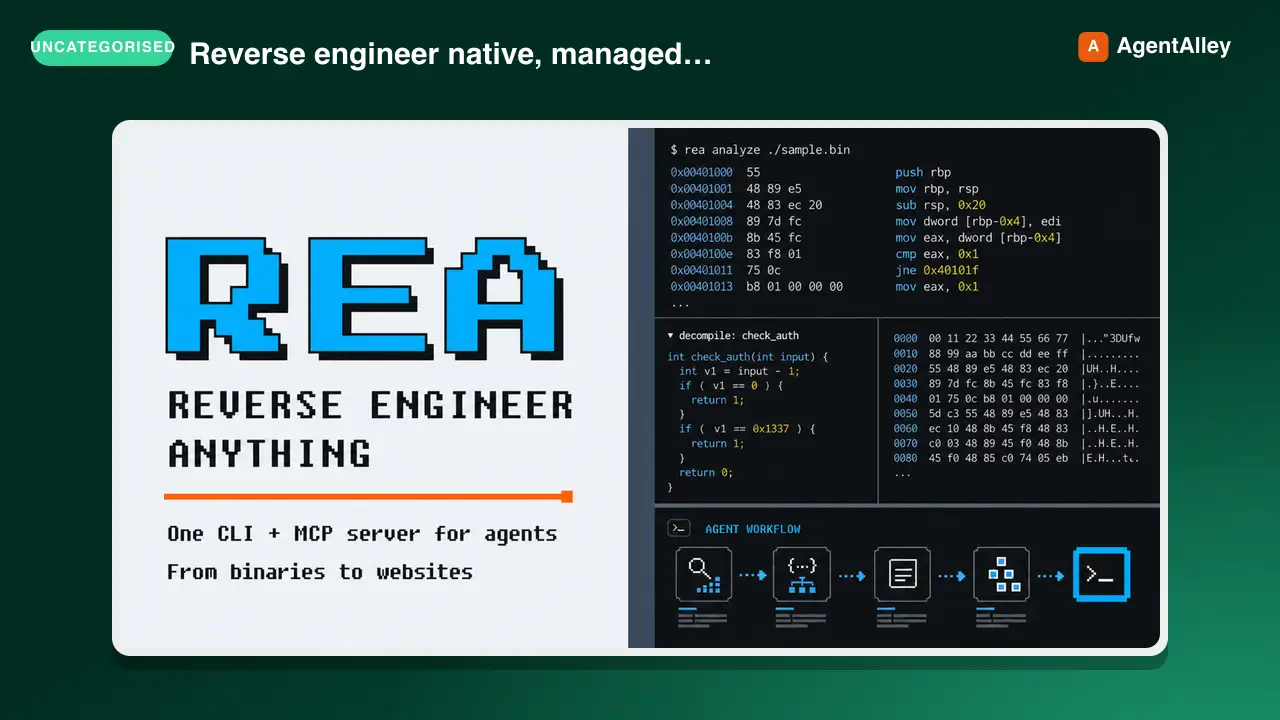 SkillCross-Platform Reverse Engineer
 morluto/rea · by morlutoReverse engineer native, managed, Electron/JavaScript, packaged, firmware, and browser targets with REA. Use shipped-artifact or requested runtime evidence to explain features, compare versions, decompile code, or guide a reconstruction. Skip REA for ordinary source-repository architecture analysis.★ 316k GitHub stars
 SkillBrainstorm Ideas
 obra/superpowers · by obraYou MUST use this before any creative work - creating features, building components, adding functionality, or modifying behavior. Explores user intent, requirements and design before implementation.★ 290k GitHub stars
 SkillCode Review Feedback Analyzerobra/superpowers · by obraUse when receiving code review feedback, before implementing suggestions, especially if feedback seems unclear or technically questionable - requires technical rigor and verification, not performative agreement or blind implementation★ 290k GitHub stars
 SkillBug Diagnosis Framework
 mattpocock/skills · by mattpocockDiagnosis loop for hard bugs and performance regressions. Use when the user says "diagnose"/"debug this", or reports something broken/throwing/failing/slow.★ 267k GitHub stars
 SkillImplement Specmattpocock/skills · by mattpocockImplement the result of /to-spec and /to-tickets in code.★ 267k GitHub stars
 SkillPR Description Writermattpocock/skills · by mattpocockUse when writing a PR body.★ 267k GitHub stars
More from AgriciDaniel
 SkillAgent Browsing Auditor
 AgriciDaniel/claude-seo · by AgriciDanielAudit and fix agent readiness: the Lighthouse Agentic Browsing fraction, accessibility tree for agents, robots.txt and Content-Signal for AI agents, WAF treatment of agent traffic, llms.txt, Markdown delivery, ai-catalog.json, /.well-known discovery files, and WebMCP tools. Exclude AI citability and brand signals (seo-geo) and commerce protocol depth (seo-ecommerce).★ 17.4k GitHub stars
 SkillAI Search OptimizationAgriciDaniel/claude-seo · by AgriciDanielOptimize content for AI Overviews (formerly SGE), ChatGPT web search, Perplexity, and other AI-powered search experiences. Generative Engine Optimization (GEO) analysis including brand mention signals, AI crawler accessibility, llms.txt compliance, passage-level citability scoring, and platform-specific optimization. Use when user says "AI Overviews", "SGE", GEO", "AI search", "LLM optimization", "Perplexity", "AI citations", ChatGPT search", or "AI visibility".★ 17.4k GitHub stars
 SkillBacklink Profile AnalysisAgriciDaniel/claude-seo · by AgriciDanielBacklink profile analysis: referring domains, anchor text distribution, toxic link detection, competitor gap analysis. Works with free APIs (Moz, Bing Webmaster, Common Crawl) and DataForSEO extension. Use when user says backlinks, link profile, referring domains, anchor text, toxic links, link gap, link building, disavow, or backlink audit.★ 17.4k GitHub stars
 SkillAmazon Ads AuditorAgriciDaniel/claude-ads · by AgriciDanielYou share your Amazon advertising numbers and goals; you get back a plain-language review of what's draining your budget and what to change first.★ 9.5k GitHub stars
 SkillApple Search Ads AuditorAgriciDaniel/claude-ads · by AgriciDanielPaste what you're spending on Apple Search Ads and your recent numbers; get back a plain review of what's wasting money and what to fix first.★ 9.5k GitHub stars
 SkillAttribution AuditorAgriciDaniel/claude-ads · by AgriciDanielPaste the sales and spend numbers each ad platform claims, and get back a plain explanation of why they disagree and which figure to trust.★ 9.5k GitHub stars