News Analysis Template
Template: News Analysis (Timely Event Commentary)
Template ID: news-analysis
# Template: News Analysis (Timely Event Commentary)

**Template ID:** news-analysis
**Target Length:** 800-1,200 words
**Content Type:** Timely event analysis with actionable implications
**Primary Search Intent:** Informational / Navigational ("what happened," "what does X mean," "reaction to")

## When to Use This Template

Use this template when:
- A significant event, announcement, or release has just occurred
- The audience needs fast, opinionated analysis (not just a summary)
- You can publish within 2-4 hours of the event
- Search queries will include the event name + "what it means," "implications," "analysis"
- You have a clear perspective or expertise that adds value beyond the press release

Do NOT use this template for:
- Evergreen how-to content (use tutorial)
Overview
Template ID: news-analysis Target Length: 800-1,200 words Content Type: Timely event analysis with actionable implications Primary Search Intent: Informational / Navigational ("what happened," "what does X mean," "reaction to")
Manual install (npx, ZIP)
npx skills add AgriciDaniel/claude-blog --skill template-news-analysis-timely-event-commentary -g -a claude-codeConnects with Agent Alley MCP · agentalley.io/mcp
Files included
news-analysis.md9.9 KB
Read news-analysis.md here
AgriciDaniel/
Show the full text295 lines
Template: News Analysis (Timely Event Commentary)
Template ID: news-analysis Target Length: 800-1,200 words Content Type: Timely event analysis with actionable implications Primary Search Intent: Informational / Navigational ("what happened," "what does X mean," "reaction to")
When to Use This Template
Use this template when:
- A significant event, announcement, or release has just occurred
- The audience needs fast, opinionated analysis (not just a summary)
- You can publish within 2-4 hours of the event
- Search queries will include the event name + "what it means," "implications," "analysis"
- You have a clear perspective or expertise that adds value beyond the press release
Do NOT use this template for:
- Evergreen how-to content (use tutorial)
- Original research or data studies (use data-research)
- Reference/FAQ content (use faq-knowledge)
- Events more than 2 weeks old (the window for this format has passed)
Speed Priority: This template prioritizes speed of publication over depth. Get it out fast, then update if needed.
Title Format
[Event/Announcement]: What It Means for [Audience]
Examples:
- "OpenAI's GPT-5 Release: What It Means for AI Developers"
- "Google's March 2026 Core Update: What It Means for Content Creators"
- "React 20 Announcement: What It Means for Frontend Teams"
Title Rules:
- Name the event explicitly (people search for event names)
- Specify the audience who should care
- Keep under 60 characters for full SERP display when possible
- Avoid clickbait - the event itself is the hook
Alternative Title Formats:
- "[N] Things [Audience] Should Know About [Event]"
- "[Event] Explained: [Impact Statement]"
- "Breaking Down [Event]: Implications for [Audience]"
Section-by-Section Structure
TL;DR Box (40-60 words)
[ANSWER-FIRST] Distill the key implications into 2-3 sentences. Focus on what the reader should know and do, not on rehashing the event.
> **TL;DR:** [Event name] [what happened in one clause]. The biggest implications for
> [audience] are [implication 1] and [implication 2]. [One-sentence recommendation
> or prediction]. [Action to take now].
Rules:
- Assume the reader already saw the headline - don't just restate the news
- Lead with implications, not with what happened
- Include one actionable recommendation
What Happened (100-150 words)
[ANSWER-FIRST] State the facts of the event concisely. This is the objective section - save opinion for later.
## What Happened

[ANSWER-FIRST] On [date], [organization/person] [announced/released/changed] [specific thing].
[1-2 sentences of factual detail].

**Key facts:**
- [Fact 1 with source attribution]
- [Fact 2 with source attribution]
- [Fact 3 with source attribution]

> "[Direct quote from announcement or key figure]" - [Attribution]

[STAT: one data point that establishes scale or significance - user count, market size, adoption rate]
Rules:
- Cite sources for every factual claim
- Include at least one direct quote from a primary source
- Keep this section objective - no analysis yet
- Include dates and specific version numbers
Why This Matters (200-300 words)
[ANSWER-FIRST] Open with a clear statement of why this event is significant - not just what it is, but why the reader should care right now.
## Why This Matters

[ANSWER-FIRST] [Event] matters because [core reason - be specific and opinionated].

[2-3 paragraphs of analysis covering:]

**Context:** How does this compare to previous events in this space? What pattern does it fit into or break?

[STAT: relevant market data, adoption metrics, or trend data that puts the event in context]

**Significance:** What makes this different from routine updates or announcements? What threshold does it cross?

[INFO-GAIN: your expert analysis or prediction - this is where you earn the reader's attention over generic coverage]

**Comparison:**
| Before [Event] | After [Event] |
|-----------------|---------------|
| [Previous state] | [New state] |
| [Previous state] | [New state] |
| [Previous state] | [New state] |
Rules:
- Be opinionated - "this matters because" not "this might matter"
- Compare to a previous event or baseline so readers understand scale
- Include at least one data point for context
- The [INFO-GAIN] here is your unique perspective - make it count
What This Means for [Audience] (200-300 words)
[ANSWER-FIRST] Translate the event into specific implications for the target audience. Be concrete about what changes for them.
## What This Means for [Audience]

[ANSWER-FIRST] For [audience], the immediate impact is [specific change]. Here's how this affects your work.

### Impact 1: [Specific Change]

[2-3 sentences explaining the implication with concrete examples]

### Impact 2: [Specific Change]

[2-3 sentences explaining the implication with concrete examples]

### Impact 3: [Specific Change]

[2-3 sentences explaining the implication with concrete examples]

[INFO-GAIN: prediction or non-obvious implication based on expertise - "What most coverage is missing is..."]

[INTERNAL-LINK: link to your existing content that helps readers understand the underlying concepts]
Rules:
- Use the actual audience name in the heading (e.g., "What This Means for Frontend Developers")
- Each impact should be a concrete change, not a vague observation
- Include at least one non-obvious implication (this is your differentiation)
- Link to your existing content where it provides deeper context
What to Do Now (150-200 words)
[ANSWER-FIRST] Give the reader 3-5 concrete action steps, ordered by priority (most urgent first).
## What to Do Now

[ANSWER-FIRST] Here are [N] steps to take in response to [event], ordered by urgency.

1. **[Immediate - today/this week]:** [Specific action with brief explanation]
2. **[Short-term - this month]:** [Specific action with brief explanation]
3. **[Medium-term - this quarter]:** [Specific action with brief explanation]
4. **[If applicable]:** [Specific action with brief explanation]
5. **[If applicable]:** [Specific action with brief explanation]

**Do NOT:**
- [Common overreaction to avoid]
- [Premature action to avoid]

[INTERNAL-LINK: link to tutorial or guide that helps with the recommended actions]
Rules:
- Order by urgency - what should they do today vs. this quarter?
- Be specific enough that the reader can act without further research
- Include "do NOT" items to prevent overreaction (shows credibility)
- Link to your own content that helps them take action
The Bigger Picture (100-150 words)
[ANSWER-FIRST] Zoom out. Place this event in the context of broader industry trends.
## The Bigger Picture

[ANSWER-FIRST] [Event] is part of a larger trend toward [broader pattern].

[1-2 paragraphs connecting this event to:]
- Industry direction or macro trends
- Previous events that form a pattern
- What this signals about the future

[INTERNAL-LINK: link to your strategy or trend-analysis content that covers the broader context]

[VISUAL: timeline showing this event in context of related events, if applicable]
Rules:
- This section is where you demonstrate strategic thinking
- Connect to 1-2 broader trends maximum - don't overextend
- End with a forward-looking statement (prediction or question to watch)
FAQ (3 Questions)
[ANSWER-FIRST] for each question. Optimize for the exact queries people will search in the hours/days after the event.
## Frequently Asked Questions

### [Question 1 - the most obvious question about the event]?

[ANSWER-FIRST] [Direct answer in 1-2 sentences]. [Brief supporting detail].

### [Question 2 - practical question about what to do]?

[ANSWER-FIRST] [Direct answer in 1-2 sentences]. [Brief supporting detail].

[INTERNAL-LINK: link to detailed how-to content if relevant]

### [Question 3 - forward-looking question about what happens next]?

[ANSWER-FIRST] [Direct answer in 1-2 sentences]. [Brief supporting detail].

[STAT: data point that supports the answer]
FAQ Rules:
- Use questions people are actually searching for right now
- Answers must be self-contained and extractable for search snippets and AI citations
- Keep answers to 40-60 words for snippet optimization
- Only 3 questions - speed over comprehensiveness for this template
References and Retrieval Notes
## References and Retrieval Notes

- [Source 1 title]([URL]) - [Organization], [Date], retrieved YYYY-MM-DD
- [Source 2 title]([URL]) - [Organization], [Date], retrieved YYYY-MM-DD
- [Source 3 title]([URL]) - [Organization], [Date], retrieved YYYY-MM-DD
- [Source 4 title]([URL]) - [Organization], [Date], retrieved YYYY-MM-DD
Rules:
- Every factual claim in the article must have an inline citation
- Retrieval notes provide provenance and must not duplicate inline citations as a raw source dump
- Use primary sources (official announcements, press releases) over secondary coverage
- Include the date of each source
- Aim for 4-8 sources minimum
Content Checklist
Before publishing, verify:
- Published within 2-4 hours of the event
- Title names the event explicitly and specifies the audience
- TL;DR focuses on implications, not just restating the news
- "What Happened" section is purely factual with source citations
- At least one direct quote from a primary source
- At least 2 [STAT] markers with relevant data points
- At least 2 [INFO-GAIN] sections with original analysis or predictions
- "What to Do Now" has 3-5 concrete, prioritized action steps
- At least 3 [INTERNAL-LINK] zones connecting to existing content
- FAQ questions match actual search queries about the event
- All sources listed with URLs and dates
- Analysis is opinionated and differentiated from generic coverage
- "Do NOT" section included to prevent overreaction
- Content is under 1,200 words (resist the urge to over-explain)
| 1 | # Template: News Analysis (Timely Event Commentary) |
| 2 | |
| 3 | **Template ID:** news-analysis |
| 4 | **Target Length:** 800-1,200 words |
| 5 | **Content Type:** Timely event analysis with actionable implications |
| 6 | **Primary Search Intent:** Informational / Navigational ("what happened," "what does X mean," "reaction to") |
| 7 | |
| 8 | ## When to Use This Template |
| 9 | |
| 10 | Use this template when: |
| 11 | A significant event, announcement, or release has just occurred |
| 12 | The audience needs fast, opinionated analysis (not just a summary) |
| 13 | You can publish within 2-4 hours of the event |
| 14 | Search queries will include the event name + "what it means," "implications," "analysis" |
| 15 | You have a clear perspective or expertise that adds value beyond the press release |
| 16 | |
| 17 | Do NOT use this template for: |
| 18 | Evergreen how-to content (use tutorial) |
| 19 | Original research or data studies (use data-research) |
| 20 | Reference/FAQ content (use faq-knowledge) |
| 21 | Events more than 2 weeks old (the window for this format has passed) |
| 22 | |
| 23 | **Speed Priority:** This template prioritizes speed of publication over depth. Get it out fast, then update if needed. |
| 24 | |
| 25 | |
| 26 | |
| 27 | ## Title Format |
| 28 | |
| 29 | |
| 30 | [Event/Announcement]: What It Means for [Audience] |
| 31 | |
| 32 | |
| 33 | **Examples:** |
| 34 | "OpenAI's GPT-5 Release: What It Means for AI Developers" |
| 35 | "Google's March 2026 Core Update: What It Means for Content Creators" |
| 36 | "React 20 Announcement: What It Means for Frontend Teams" |
| 37 | |
| 38 | **Title Rules:** |
| 39 | Name the event explicitly (people search for event names) |
| 40 | Specify the audience who should care |
| 41 | Keep under 60 characters for full SERP display when possible |
| 42 | Avoid clickbait - the event itself is the hook |
| 43 | |
| 44 | **Alternative Title Formats:** |
| 45 | "[N] Things [Audience] Should Know About [Event]" |
| 46 | "[Event] Explained: [Impact Statement]" |
| 47 | "Breaking Down [Event]: Implications for [Audience]" |
| 48 | |
| 49 | |
| 50 | |
| 51 | ## Section-by-Section Structure |
| 52 | |
| 53 | |
| 54 | |
| 55 | ### TL;DR Box (40-60 words) |
| 56 | |
| 57 | [ANSWER-FIRST] Distill the key implications into 2-3 sentences. Focus on what the reader should know and do, not on rehashing the event. |
| 58 | |
| 59 | |
| 60 | > **TL;DR:** [Event name] [what happened in one clause]. The biggest implications for |
| 61 | > [audience] are [implication 1] and [implication 2]. [One-sentence recommendation |
| 62 | > or prediction]. [Action to take now]. |
| 63 | |
| 64 | |
| 65 | **Rules:** |
| 66 | Assume the reader already saw the headline - don't just restate the news |
| 67 | Lead with implications, not with what happened |
| 68 | Include one actionable recommendation |
| 69 | |
| 70 | |
| 71 | |
| 72 | ### What Happened (100-150 words) |
| 73 | |
| 74 | [ANSWER-FIRST] State the facts of the event concisely. This is the objective section - save opinion for later. |
| 75 | |
| 76 | |
| 77 | ## What Happened |
| 78 | |
| 79 | [ANSWER-FIRST] On [date], [organization/person] [announced/released/changed] [specific thing]. |
| 80 | [1-2 sentences of factual detail]. |
| 81 | |
| 82 | **Key facts:** |
| 83 | - [Fact 1 with source attribution] |
| 84 | - [Fact 2 with source attribution] |
| 85 | - [Fact 3 with source attribution] |
| 86 | |
| 87 | > "[Direct quote from announcement or key figure]" - [Attribution] |
| 88 | |
| 89 | [STAT: one data point that establishes scale or significance - user count, market size, adoption rate] |
| 90 | |
| 91 | |
| 92 | **Rules:** |
| 93 | Cite sources for every factual claim |
| 94 | Include at least one direct quote from a primary source |
| 95 | Keep this section objective - no analysis yet |
| 96 | Include dates and specific version numbers |
| 97 | |
| 98 | |
| 99 | |
| 100 | ### Why This Matters (200-300 words) |
| 101 | |
| 102 | [ANSWER-FIRST] Open with a clear statement of why this event is significant - not just what it is, but why the reader should care right now. |
| 103 | |
| 104 | |
| 105 | ## Why This Matters |
| 106 | |
| 107 | [ANSWER-FIRST] [Event] matters because [core reason - be specific and opinionated]. |
| 108 | |
| 109 | [2-3 paragraphs of analysis covering:] |
| 110 | |
| 111 | **Context:** How does this compare to previous events in this space? What pattern does it fit into or break? |
| 112 | |
| 113 | [STAT: relevant market data, adoption metrics, or trend data that puts the event in context] |
| 114 | |
| 115 | **Significance:** What makes this different from routine updates or announcements? What threshold does it cross? |
| 116 | |
| 117 | [INFO-GAIN: your expert analysis or prediction - this is where you earn the reader's attention over generic coverage] |
| 118 | |
| 119 | **Comparison:** |
| 120 | | Before [Event] | After [Event] | |
| 121 | |-----------------|---------------| |
| 122 | | [Previous state] | [New state] | |
| 123 | | [Previous state] | [New state] | |
| 124 | | [Previous state] | [New state] | |
| 125 | |
| 126 | |
| 127 | **Rules:** |
| 128 | Be opinionated - "this matters because" not "this might matter" |
| 129 | Compare to a previous event or baseline so readers understand scale |
| 130 | Include at least one data point for context |
| 131 | The [INFO-GAIN] here is your unique perspective - make it count |
| 132 | |
| 133 | |
| 134 | |
| 135 | ### What This Means for [Audience] (200-300 words) |
| 136 | |
| 137 | [ANSWER-FIRST] Translate the event into specific implications for the target audience. Be concrete about what changes for them. |
| 138 | |
| 139 | |
| 140 | ## What This Means for [Audience] |
| 141 | |
| 142 | [ANSWER-FIRST] For [audience], the immediate impact is [specific change]. Here's how this affects your work. |
| 143 | |
| 144 | ### Impact 1: [Specific Change] |
| 145 | |
| 146 | [2-3 sentences explaining the implication with concrete examples] |
| 147 | |
| 148 | ### Impact 2: [Specific Change] |
| 149 | |
| 150 | [2-3 sentences explaining the implication with concrete examples] |
| 151 | |
| 152 | ### Impact 3: [Specific Change] |
| 153 | |
| 154 | [2-3 sentences explaining the implication with concrete examples] |
| 155 | |
| 156 | [INFO-GAIN: prediction or non-obvious implication based on expertise - "What most coverage is missing is..."] |
| 157 | |
| 158 | [INTERNAL-LINK: link to your existing content that helps readers understand the underlying concepts] |
| 159 | |
| 160 | |
| 161 | **Rules:** |
| 162 | Use the actual audience name in the heading (e.g., "What This Means for Frontend Developers") |
| 163 | Each impact should be a concrete change, not a vague observation |
| 164 | Include at least one non-obvious implication (this is your differentiation) |
| 165 | Link to your existing content where it provides deeper context |
| 166 | |
| 167 | |
| 168 | |
| 169 | ### What to Do Now (150-200 words) |
| 170 | |
| 171 | [ANSWER-FIRST] Give the reader 3-5 concrete action steps, ordered by priority (most urgent first). |
| 172 | |
| 173 | |
| 174 | ## What to Do Now |
| 175 | |
| 176 | [ANSWER-FIRST] Here are [N] steps to take in response to [event], ordered by urgency. |
| 177 | |
| 178 | 1. **[Immediate - today/this week]:** [Specific action with brief explanation] |
| 179 | 2. **[Short-term - this month]:** [Specific action with brief explanation] |
| 180 | 3. **[Medium-term - this quarter]:** [Specific action with brief explanation] |
| 181 | 4. **[If applicable]:** [Specific action with brief explanation] |
| 182 | 5. **[If applicable]:** [Specific action with brief explanation] |
| 183 | |
| 184 | **Do NOT:** |
| 185 | - [Common overreaction to avoid] |
| 186 | - [Premature action to avoid] |
| 187 | |
| 188 | [INTERNAL-LINK: link to tutorial or guide that helps with the recommended actions] |
| 189 | |
| 190 | |
| 191 | **Rules:** |
| 192 | Order by urgency - what should they do today vs. this quarter? |
| 193 | Be specific enough that the reader can act without further research |
| 194 | Include "do NOT" items to prevent overreaction (shows credibility) |
| 195 | Link to your own content that helps them take action |
| 196 | |
| 197 | |
| 198 | |
| 199 | ### The Bigger Picture (100-150 words) |
| 200 | |
| 201 | [ANSWER-FIRST] Zoom out. Place this event in the context of broader industry trends. |
| 202 | |
| 203 | |
| 204 | ## The Bigger Picture |
| 205 | |
| 206 | [ANSWER-FIRST] [Event] is part of a larger trend toward [broader pattern]. |
| 207 | |
| 208 | [1-2 paragraphs connecting this event to:] |
| 209 | - Industry direction or macro trends |
| 210 | - Previous events that form a pattern |
| 211 | - What this signals about the future |
| 212 | |
| 213 | [INTERNAL-LINK: link to your strategy or trend-analysis content that covers the broader context] |
| 214 | |
| 215 | [VISUAL: timeline showing this event in context of related events, if applicable] |
| 216 | |
| 217 | |
| 218 | **Rules:** |
| 219 | This section is where you demonstrate strategic thinking |
| 220 | Connect to 1-2 broader trends maximum - don't overextend |
| 221 | End with a forward-looking statement (prediction or question to watch) |
| 222 | |
| 223 | |
| 224 | |
| 225 | ### FAQ (3 Questions) |
| 226 | |
| 227 | [ANSWER-FIRST] for each question. Optimize for the exact queries people will search in the hours/days after the event. |
| 228 | |
| 229 | |
| 230 | ## Frequently Asked Questions |
| 231 | |
| 232 | ### [Question 1 - the most obvious question about the event]? |
| 233 | |
| 234 | [ANSWER-FIRST] [Direct answer in 1-2 sentences]. [Brief supporting detail]. |
| 235 | |
| 236 | ### [Question 2 - practical question about what to do]? |
| 237 | |
| 238 | [ANSWER-FIRST] [Direct answer in 1-2 sentences]. [Brief supporting detail]. |
| 239 | |
| 240 | [INTERNAL-LINK: link to detailed how-to content if relevant] |
| 241 | |
| 242 | ### [Question 3 - forward-looking question about what happens next]? |
| 243 | |
| 244 | [ANSWER-FIRST] [Direct answer in 1-2 sentences]. [Brief supporting detail]. |
| 245 | |
| 246 | [STAT: data point that supports the answer] |
| 247 | |
| 248 | |
| 249 | **FAQ Rules:** |
| 250 | Use questions people are actually searching for right now |
| 251 | Answers must be self-contained and extractable for search snippets and AI citations |
| 252 | Keep answers to 40-60 words for snippet optimization |
| 253 | Only 3 questions - speed over comprehensiveness for this template |
| 254 | |
| 255 | |
| 256 | |
| 257 | ### References and Retrieval Notes |
| 258 | |
| 259 | |
| 260 | ## References and Retrieval Notes |
| 261 | |
| 262 | - [Source 1 title]([URL]) - [Organization], [Date], retrieved YYYY-MM-DD |
| 263 | - [Source 2 title]([URL]) - [Organization], [Date], retrieved YYYY-MM-DD |
| 264 | - [Source 3 title]([URL]) - [Organization], [Date], retrieved YYYY-MM-DD |
| 265 | - [Source 4 title]([URL]) - [Organization], [Date], retrieved YYYY-MM-DD |
| 266 | |
| 267 | |
| 268 | **Rules:** |
| 269 | Every factual claim in the article must have an inline citation |
| 270 | Retrieval notes provide provenance and must not duplicate inline citations as a raw source dump |
| 271 | Use primary sources (official announcements, press releases) over secondary coverage |
| 272 | Include the date of each source |
| 273 | Aim for 4-8 sources minimum |
| 274 | |
| 275 | |
| 276 | |
| 277 | ## Content Checklist |
| 278 | |
| 279 | Before publishing, verify: |
| 280 | |
| 281 | [ ] Published within 2-4 hours of the event |
| 282 | [ ] Title names the event explicitly and specifies the audience |
| 283 | [ ] TL;DR focuses on implications, not just restating the news |
| 284 | [ ] "What Happened" section is purely factual with source citations |
| 285 | [ ] At least one direct quote from a primary source |
| 286 | [ ] At least 2 [STAT] markers with relevant data points |
| 287 | [ ] At least 2 [INFO-GAIN] sections with original analysis or predictions |
| 288 | [ ] "What to Do Now" has 3-5 concrete, prioritized action steps |
| 289 | [ ] At least 3 [INTERNAL-LINK] zones connecting to existing content |
| 290 | [ ] FAQ questions match actual search queries about the event |
| 291 | [ ] All sources listed with URLs and dates |
| 292 | [ ] Analysis is opinionated and differentiated from generic coverage |
| 293 | [ ] "Do NOT" section included to prevent overreaction |
| 294 | [ ] Content is under 1,200 words (resist the urge to over-explain) |
| 295 |
Details
- Updated
- Sep 18, 2026
- License
- MIT
- Stars on the repo
- ★ 2,219
- Checked
- Source
- AgriciDaniel/claude-blog ↗
- Creator
- AgriciDaniel · 129 listings
Similar skills
See all →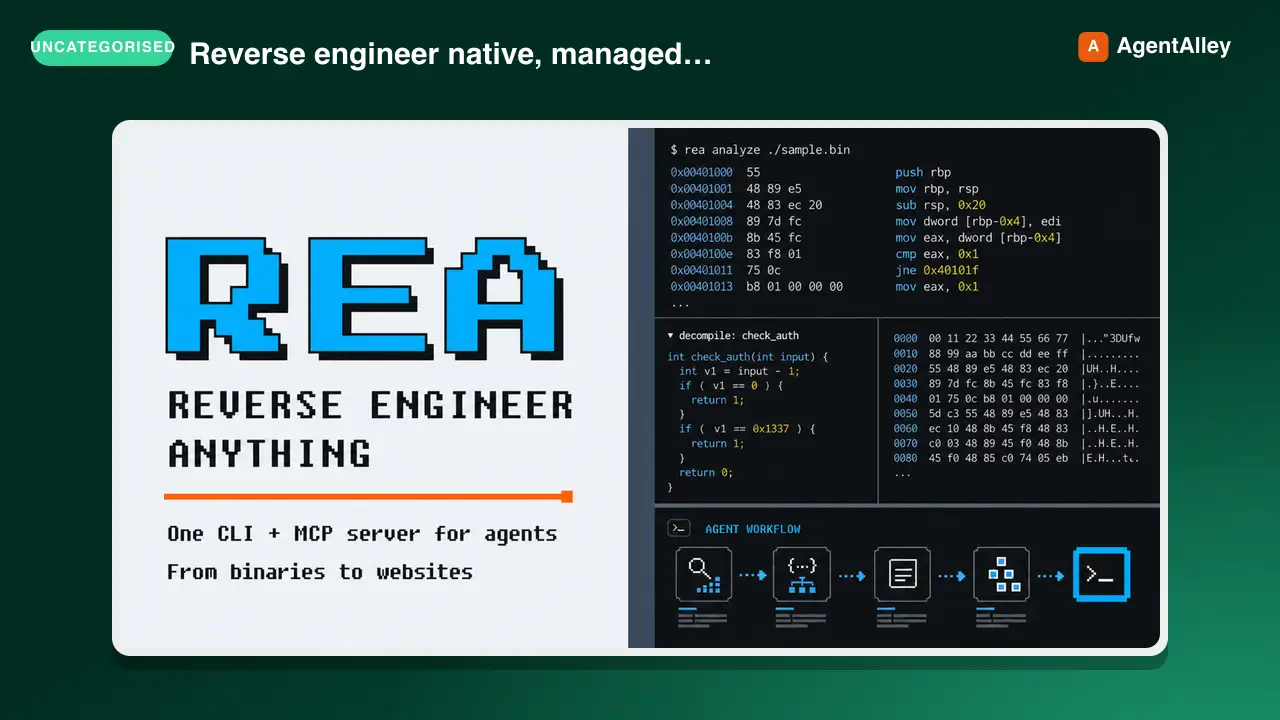 SkillCross-Platform Reverse Engineer
 morluto/rea · by morlutoReverse engineer native, managed, Electron/JavaScript, packaged, firmware, and browser targets with REA. Use shipped-artifact or requested runtime evidence to explain features, compare versions, decompile code, or guide a reconstruction. Skip REA for ordinary source-repository architecture analysis.★ 316k GitHub stars
 SkillBrainstorm Ideas
 obra/superpowers · by obraYou MUST use this before any creative work - creating features, building components, adding functionality, or modifying behavior. Explores user intent, requirements and design before implementation.★ 290k GitHub stars
 SkillCode Review Feedback Analyzerobra/superpowers · by obraUse when receiving code review feedback, before implementing suggestions, especially if feedback seems unclear or technically questionable - requires technical rigor and verification, not performative agreement or blind implementation★ 290k GitHub stars
 SkillBug Diagnosis Framework
 mattpocock/skills · by mattpocockDiagnosis loop for hard bugs and performance regressions. Use when the user says "diagnose"/"debug this", or reports something broken/throwing/failing/slow.★ 267k GitHub stars
 SkillImplement Specmattpocock/skills · by mattpocockImplement the result of /to-spec and /to-tickets in code.★ 267k GitHub stars
 SkillPR Description Writermattpocock/skills · by mattpocockUse when writing a PR body.★ 267k GitHub stars
More from AgriciDaniel
 SkillAgent Browsing Auditor
 AgriciDaniel/claude-seo · by AgriciDanielAudit and fix agent readiness: the Lighthouse Agentic Browsing fraction, accessibility tree for agents, robots.txt and Content-Signal for AI agents, WAF treatment of agent traffic, llms.txt, Markdown delivery, ai-catalog.json, /.well-known discovery files, and WebMCP tools. Exclude AI citability and brand signals (seo-geo) and commerce protocol depth (seo-ecommerce).★ 17.4k GitHub stars
 SkillAI Search OptimizationAgriciDaniel/claude-seo · by AgriciDanielOptimize content for AI Overviews (formerly SGE), ChatGPT web search, Perplexity, and other AI-powered search experiences. Generative Engine Optimization (GEO) analysis including brand mention signals, AI crawler accessibility, llms.txt compliance, passage-level citability scoring, and platform-specific optimization. Use when user says "AI Overviews", "SGE", GEO", "AI search", "LLM optimization", "Perplexity", "AI citations", ChatGPT search", or "AI visibility".★ 17.4k GitHub stars
 SkillBacklink Profile AnalysisAgriciDaniel/claude-seo · by AgriciDanielBacklink profile analysis: referring domains, anchor text distribution, toxic link detection, competitor gap analysis. Works with free APIs (Moz, Bing Webmaster, Common Crawl) and DataForSEO extension. Use when user says backlinks, link profile, referring domains, anchor text, toxic links, link gap, link building, disavow, or backlink audit.★ 17.4k GitHub stars
 SkillAmazon Ads AuditorAgriciDaniel/claude-ads · by AgriciDanielYou share your Amazon advertising numbers and goals; you get back a plain-language review of what's draining your budget and what to change first.★ 9.5k GitHub stars
 SkillApple Search Ads AuditorAgriciDaniel/claude-ads · by AgriciDanielPaste what you're spending on Apple Search Ads and your recent numbers; get back a plain review of what's wasting money and what to fix first.★ 9.5k GitHub stars
 SkillAttribution AuditorAgriciDaniel/claude-ads · by AgriciDanielPaste the sales and spend numbers each ad platform claims, and get back a plain explanation of why they disagree and which figure to trust.★ 9.5k GitHub stars