How-To Guide Template
Template: How-To Guide

Template Name: How-To Guide (Step-by-Step Tutorial)
# Template: How-To Guide

**Template Name:** How-To Guide (Step-by-Step Tutorial)
**Target Word Count:** 2,000-2,500 words
**Description:** A structured, actionable tutorial that walks readers through a specific process from start to finish. Each step is concrete, visual, and builds on the previous one. Designed to rank for "how to" queries and earn featured snippets.

## When to Use This Template

- **Content Goals:** Drive organic traffic from instructional queries, establish topical authority, earn featured snippets for step-based queries
- **Search Intent:** Informational / Transactional hybrid: the reader has a specific problem and wants a clear solution *right now*
- **Best For:** Process explanations, software tutorials, setup guides, configuration walkthroughs, skill-building content
- **Avoid When:** The topic lacks a clear sequential process or has fewer than 3 meaningful steps

---

## Section-by-Section Structure

---
Overview
Template Name: How-To Guide (Step-by-Step Tutorial) Target Word Count: 2,000-2,500 words Description: A structured, actionable tutorial that walks readers through a specific process from start to finish. Each step is concrete, visual, and builds on the previous one. Designed to rank for "how to" queries and earn featured snippets.
Manual install (npx, ZIP)
npx skills add AgriciDaniel/claude-blog --skill template-how-to-guide -g -a claude-codeConnects with Agent Alley MCP · agentalley.io/mcp
Files included
how-to-guide.md9.7 KB
Read how-to-guide.md here
AgriciDaniel/
Show the full text255 lines
Template: How-To Guide
Template Name: How-To Guide (Step-by-Step Tutorial) Target Word Count: 2,000-2,500 words Description: A structured, actionable tutorial that walks readers through a specific process from start to finish. Each step is concrete, visual, and builds on the previous one. Designed to rank for "how to" queries and earn featured snippets.
When to Use This Template
- Content Goals: Drive organic traffic from instructional queries, establish topical authority, earn featured snippets for step-based queries
- Search Intent: Informational / Transactional hybrid: the reader has a specific problem and wants a clear solution right now
- Best For: Process explanations, software tutorials, setup guides, configuration walkthroughs, skill-building content
- Avoid When: The topic lacks a clear sequential process or has fewer than 3 meaningful steps
Section-by-Section Structure
Title (H1)
Format: "How to [Achieve X]: A [Year] Step-by-Step Guide"
Examples:
- "How to Set Up a CI/CD Pipeline: A 2026 Step-by-Step Guide"
- "How to Migrate from WordPress to Next.js: A 2026 Step-by-Step Guide"
Rules:
- Include the primary keyword naturally
- Include the year for freshness signals
- Keep under 60 characters if possible
Introduction (150-200 words)
[ANSWER-FIRST] Open with the single most compelling statistic or fact that validates why this process matters. Not a vague claim: a specific number.
Structure:
- Problem statement (1-2 sentences): What pain point does the reader have?
- Agitation (1-2 sentences): What happens if they don't solve it? What's the cost of inaction?
- Promise (1 sentence): What will they be able to do after following this guide?
- Credibility anchor (1 sentence): Why should they trust this guide specifically?
[STAT: Industry statistic that quantifies the problem this guide solves]
[INFO-GAIN: personal experience] Share a specific, brief anecdote about encountering this problem yourself: when, what happened, what the stakes were.
Example opening:
"[STAT: 73% of deployments fail due to misconfigured pipelines (Source, Year).] If you've ever pushed code on a Friday and spent the weekend firefighting, you already know the pain. This guide walks you through setting up a bulletproof CI/CD pipeline in under an hour: the same process we used to reduce deployment failures by 90% across 12 projects."
[INTERNAL-LINK] Link to a related foundational concept post (e.g., "If you're new to [topic], start with our [Beginner's Guide to X]").
Prerequisites / Before You Begin (100-150 words)
Format: Bulleted checklist under an H2 heading.
Include:
- Required tools/software (with versions)
- Required accounts or access
- Assumed knowledge level (be specific: "You should be comfortable with [X]")
- Estimated time to complete
- Difficulty level (Beginner / Intermediate / Advanced)
[IMAGE] Screenshot or diagram showing the tools/environment the reader should have ready before starting.
Example:
What you'll need:
- Current active LTS version of Node.js installed (how to install)
- A GitHub account with repo access
- Basic familiarity with the terminal
- Time: ~45 minutes
- Difficulty: Intermediate
Step 1: [Action Verb] + [Specific Object] (200-300 words)
[ANSWER-FIRST] Open with what the reader will have accomplished by the end of this step: the micro-outcome.
Structure for EVERY step section:
- Micro-outcome statement (1 sentence): "By the end of this step, you'll have [specific result]."
- Context (1-2 sentences): Why this step matters in the overall process.
- Instructions (numbered sub-steps): Concrete actions. Use code blocks, exact UI paths, or specific settings.
- Verification (1-2 sentences): How the reader confirms this step worked.
[IMAGE] Screenshot showing the expected state after completing this step.
[INFO-GAIN: specific configuration or setting] Share a non-obvious detail: a specific config value, flag, or option that makes a difference and isn't in the official docs.
Formatting rules:
- Use H2 for the step heading:
## Step 1: Install and Configure the CLI - Use numbered sub-lists for individual actions within the step
- Use code blocks for any commands, file contents, or configuration
- Bold the single most important instruction in each step
Step 2: [Action Verb] + [Specific Object] (200-300 words)
[Follow the same structure as Step 1]
[IMAGE] Screenshot of expected state after this step.
[STAT: Performance or efficiency metric related to this step, if applicable]
Step 3: [Action Verb] + [Specific Object] (200-300 words)
[Follow the same structure as Step 1]
[IMAGE] Screenshot of expected state after this step.
[VISUAL: flowchart] If the process branches or has decision points at this stage, include a flowchart showing the paths.
Step 4: [Action Verb] + [Specific Object] (200-300 words)
[Follow the same structure as Step 1]
[IMAGE] Screenshot of expected state after this step.
[INFO-GAIN: troubleshooting tip] Share a problem you personally encountered at this stage and how you solved it.
Step 5: [Action Verb] + [Specific Object] (200-300 words)
[Follow the same structure as Step 1]
[IMAGE] Screenshot of expected state after this step.
Step 6: [Action Verb] + [Specific Object] (200-300 words)
[Follow the same structure as Step 1]
[IMAGE] Screenshot showing the final completed state.
[VISUAL: before-after] Side-by-side comparison showing before (Step 1) and after (Step 6) state.
Note: Not every guide needs exactly 6 steps. Use 4-8 steps depending on the complexity of the process. Each step should represent a meaningful, testable milestone: not a trivial action.
Common Mistakes to Avoid (150-200 words)
[ANSWER-FIRST] Open with the single most frequent mistake and its consequence: "[X]% of people get stuck on [Y] because they [Z]."
Format: 3-5 mistakes, each as a bolded sub-heading with 2-3 sentences of explanation.
Structure for each mistake:
- The mistake (bold): What people do wrong
- Why it happens (1 sentence): The underlying cause or misconception
- The fix (1 sentence): What to do instead
[INFO-GAIN: original observation] Include at least one mistake that comes from your direct experience: something not commonly listed in other guides.
[STAT: Failure rate or error frequency for the most common mistake]
Example:
1. Skipping environment variable validation Most tutorials assume your
.envfile is correctly formatted, but in our experience, 40% of "it works on my machine" bugs trace back to missing or malformed env vars. Always runprintenv | grep APP_before deploying.
Results / What Success Looks Like (100-150 words)
[ANSWER-FIRST] Open with the specific, measurable outcome: "If everything went correctly, you should now see [X]."
Include:
- What the reader should see/have now (concrete, verifiable)
- Key metrics that indicate success (load time, response code, test pass rate, etc.)
- One "stretch goal" or next-level enhancement they can pursue
[IMAGE] Screenshot of the final successful result.
[VISUAL: metrics-dashboard] If applicable, show a performance or status dashboard screenshot.
[INTERNAL-LINK] Link to an advanced guide or next-step post: "Now that you've set up [X], learn how to [optimize/scale/extend it]."
Frequently Asked Questions (5 questions)
[FAQ]
Format: Each question as an H3, answer in 2-4 sentences. Structure answers for featured snippet eligibility.
Question selection criteria:
- The most common "People Also Ask" question for this topic
- A question about an alternative approach ("Can I do this with [Y] instead?")
- A question about troubleshooting ("What if [X] doesn't work?")
- A question about scaling or advanced use ("How do I [extend this]?")
- A question about cost, time, or prerequisites ("How long does this take?" / "Is [X] free?")
[STAT: Include at least one statistic in your FAQ answers]
Example:
How long does it take to set up a CI/CD pipeline?
[2-4 sentence answer with a specific time range and what variables affect it.]
Can I use [Alternative Tool] instead?
[2-4 sentence answer comparing the alternative, with a clear recommendation.]
What should I do if Step [N] fails?
[2-4 sentence answer with specific troubleshooting steps.]
How do I scale this for a larger team?
[2-4 sentence answer with concrete next steps.]
Is [Tool/Service] free?
[2-4 sentence answer with pricing details and free tier limitations.]
Conclusion with CTA (50-100 words)
Structure:
- Recap (1 sentence): Summarize what they accomplished.
- Reinforce value (1 sentence): Restate the benefit with the key metric.
- CTA (1-2 sentences): Clear next action: share the post, subscribe, try a related guide, leave a comment with their results.
[INTERNAL-LINK] Link to 2-3 related posts for continued reading.
Template Checklist
Before publishing, verify:
- Title includes primary keyword and current year
- Introduction opens with a specific statistic, not a generic claim
- Every step has a clear micro-outcome, numbered sub-steps, and verification
- Every step has a supporting screenshot or visual
- At least 2 [INFO-GAIN] elements with original experience or data
- At least 3 [STAT] markers filled with sourced statistics
- Common mistakes section includes at least one original observation
- FAQ answers are structured for featured snippet eligibility
- All [INTERNAL-LINK] zones have contextual links to related content
- Word count falls within 2,000-2,500 range
- All code blocks are syntax-highlighted and tested
- Meta description written (under 160 characters, includes primary keyword)
| 1 | # Template: How-To Guide |
| 2 | |
| 3 | **Template Name:** How-To Guide (Step-by-Step Tutorial) |
| 4 | **Target Word Count:** 2,000-2,500 words |
| 5 | **Description:** A structured, actionable tutorial that walks readers through a specific process from start to finish. Each step is concrete, visual, and builds on the previous one. Designed to rank for "how to" queries and earn featured snippets. |
| 6 | |
| 7 | ## When to Use This Template |
| 8 | |
| 9 | **Content Goals:** Drive organic traffic from instructional queries, establish topical authority, earn featured snippets for step-based queries |
| 10 | **Search Intent:** Informational / Transactional hybrid: the reader has a specific problem and wants a clear solution *right now* |
| 11 | **Best For:** Process explanations, software tutorials, setup guides, configuration walkthroughs, skill-building content |
| 12 | **Avoid When:** The topic lacks a clear sequential process or has fewer than 3 meaningful steps |
| 13 | |
| 14 | |
| 15 | |
| 16 | ## Section-by-Section Structure |
| 17 | |
| 18 | |
| 19 | |
| 20 | ### Title (H1) |
| 21 | |
| 22 | **Format:** "How to [Achieve X]: A [Year] Step-by-Step Guide" |
| 23 | |
| 24 | **Examples:** |
| 25 | "How to Set Up a CI/CD Pipeline: A 2026 Step-by-Step Guide" |
| 26 | "How to Migrate from WordPress to Next.js: A 2026 Step-by-Step Guide" |
| 27 | |
| 28 | **Rules:** |
| 29 | Include the primary keyword naturally |
| 30 | Include the year for freshness signals |
| 31 | Keep under 60 characters if possible |
| 32 | |
| 33 | |
| 34 | |
| 35 | ### Introduction (150-200 words) |
| 36 | |
| 37 | [ANSWER-FIRST] Open with the single most compelling statistic or fact that validates *why* this process matters. Not a vague claim: a specific number. |
| 38 | |
| 39 | **Structure:** |
| 40 | **Problem statement** (1-2 sentences): What pain point does the reader have? |
| 41 | **Agitation** (1-2 sentences): What happens if they don't solve it? What's the cost of inaction? |
| 42 | **Promise** (1 sentence): What will they be able to do after following this guide? |
| 43 | **Credibility anchor** (1 sentence): Why should they trust this guide specifically? |
| 44 | |
| 45 | [STAT: Industry statistic that quantifies the problem this guide solves] |
| 46 | |
| 47 | [INFO-GAIN: personal experience] Share a specific, brief anecdote about encountering this problem yourself: when, what happened, what the stakes were. |
| 48 | |
| 49 | **Example opening:** |
| 50 | > "[STAT: 73% of deployments fail due to misconfigured pipelines (Source, Year).] If you've ever pushed code on a Friday and spent the weekend firefighting, you already know the pain. This guide walks you through setting up a bulletproof CI/CD pipeline in under an hour: the same process we used to reduce deployment failures by 90% across 12 projects." |
| 51 | |
| 52 | [INTERNAL-LINK] Link to a related foundational concept post (e.g., "If you're new to [topic], start with our [Beginner's Guide to X]"). |
| 53 | |
| 54 | |
| 55 | |
| 56 | ### Prerequisites / Before You Begin (100-150 words) |
| 57 | |
| 58 | **Format:** Bulleted checklist under an H2 heading. |
| 59 | |
| 60 | **Include:** |
| 61 | Required tools/software (with versions) |
| 62 | Required accounts or access |
| 63 | Assumed knowledge level (be specific: "You should be comfortable with [X]") |
| 64 | Estimated time to complete |
| 65 | Difficulty level (Beginner / Intermediate / Advanced) |
| 66 | |
| 67 | [IMAGE] Screenshot or diagram showing the tools/environment the reader should have ready before starting. |
| 68 | |
| 69 | **Example:** |
| 70 | > **What you'll need:** |
| 71 | > - Current active LTS version of Node.js installed ([how to install]) |
| 72 | > - A GitHub account with repo access |
| 73 | > - Basic familiarity with the terminal |
| 74 | > - **Time:** ~45 minutes |
| 75 | > - **Difficulty:** Intermediate |
| 76 | |
| 77 | |
| 78 | |
| 79 | ### Step 1: [Action Verb] + [Specific Object] (200-300 words) |
| 80 | |
| 81 | [ANSWER-FIRST] Open with what the reader will have accomplished by the end of this step: the micro-outcome. |
| 82 | |
| 83 | **Structure for EVERY step section:** |
| 84 | **Micro-outcome statement** (1 sentence): "By the end of this step, you'll have [specific result]." |
| 85 | **Context** (1-2 sentences): Why this step matters in the overall process. |
| 86 | **Instructions** (numbered sub-steps): Concrete actions. Use code blocks, exact UI paths, or specific settings. |
| 87 | **Verification** (1-2 sentences): How the reader confirms this step worked. |
| 88 | |
| 89 | [IMAGE] Screenshot showing the expected state after completing this step. |
| 90 | |
| 91 | [INFO-GAIN: specific configuration or setting] Share a non-obvious detail: a specific config value, flag, or option that makes a difference and isn't in the official docs. |
| 92 | |
| 93 | **Formatting rules:** |
| 94 | Use H2 for the step heading: `## Step 1: Install and Configure the CLI` |
| 95 | Use numbered sub-lists for individual actions within the step |
| 96 | Use code blocks for any commands, file contents, or configuration |
| 97 | Bold the single most important instruction in each step |
| 98 | |
| 99 | |
| 100 | |
| 101 | ### Step 2: [Action Verb] + [Specific Object] (200-300 words) |
| 102 | |
| 103 | [Follow the same structure as Step 1] |
| 104 | |
| 105 | [IMAGE] Screenshot of expected state after this step. |
| 106 | |
| 107 | [STAT: Performance or efficiency metric related to this step, if applicable] |
| 108 | |
| 109 | |
| 110 | |
| 111 | ### Step 3: [Action Verb] + [Specific Object] (200-300 words) |
| 112 | |
| 113 | [Follow the same structure as Step 1] |
| 114 | |
| 115 | [IMAGE] Screenshot of expected state after this step. |
| 116 | |
| 117 | [VISUAL: flowchart] If the process branches or has decision points at this stage, include a flowchart showing the paths. |
| 118 | |
| 119 | |
| 120 | |
| 121 | ### Step 4: [Action Verb] + [Specific Object] (200-300 words) |
| 122 | |
| 123 | [Follow the same structure as Step 1] |
| 124 | |
| 125 | [IMAGE] Screenshot of expected state after this step. |
| 126 | |
| 127 | [INFO-GAIN: troubleshooting tip] Share a problem you personally encountered at this stage and how you solved it. |
| 128 | |
| 129 | |
| 130 | |
| 131 | ### Step 5: [Action Verb] + [Specific Object] (200-300 words) |
| 132 | |
| 133 | [Follow the same structure as Step 1] |
| 134 | |
| 135 | [IMAGE] Screenshot of expected state after this step. |
| 136 | |
| 137 | |
| 138 | |
| 139 | ### Step 6: [Action Verb] + [Specific Object] (200-300 words) |
| 140 | |
| 141 | [Follow the same structure as Step 1] |
| 142 | |
| 143 | [IMAGE] Screenshot showing the final completed state. |
| 144 | |
| 145 | [VISUAL: before-after] Side-by-side comparison showing before (Step 1) and after (Step 6) state. |
| 146 | |
| 147 | **Note:** Not every guide needs exactly 6 steps. Use 4-8 steps depending on the complexity of the process. Each step should represent a meaningful, testable milestone: not a trivial action. |
| 148 | |
| 149 | |
| 150 | |
| 151 | ### Common Mistakes to Avoid (150-200 words) |
| 152 | |
| 153 | [ANSWER-FIRST] Open with the single most frequent mistake and its consequence: "[X]% of people get stuck on [Y] because they [Z]." |
| 154 | |
| 155 | **Format:** 3-5 mistakes, each as a bolded sub-heading with 2-3 sentences of explanation. |
| 156 | |
| 157 | **Structure for each mistake:** |
| 158 | **The mistake** (bold): What people do wrong |
| 159 | **Why it happens** (1 sentence): The underlying cause or misconception |
| 160 | **The fix** (1 sentence): What to do instead |
| 161 | |
| 162 | [INFO-GAIN: original observation] Include at least one mistake that comes from your direct experience: something not commonly listed in other guides. |
| 163 | |
| 164 | [STAT: Failure rate or error frequency for the most common mistake] |
| 165 | |
| 166 | **Example:** |
| 167 | > **1. Skipping environment variable validation** |
| 168 | > Most tutorials assume your `.env` file is correctly formatted, but in our experience, 40% of "it works on my machine" bugs trace back to missing or malformed env vars. Always run `printenv | grep APP_` before deploying. |
| 169 | |
| 170 | |
| 171 | |
| 172 | ### Results / What Success Looks Like (100-150 words) |
| 173 | |
| 174 | [ANSWER-FIRST] Open with the specific, measurable outcome: "If everything went correctly, you should now see [X]." |
| 175 | |
| 176 | **Include:** |
| 177 | What the reader should see/have now (concrete, verifiable) |
| 178 | Key metrics that indicate success (load time, response code, test pass rate, etc.) |
| 179 | One "stretch goal" or next-level enhancement they can pursue |
| 180 | |
| 181 | [IMAGE] Screenshot of the final successful result. |
| 182 | |
| 183 | [VISUAL: metrics-dashboard] If applicable, show a performance or status dashboard screenshot. |
| 184 | |
| 185 | [INTERNAL-LINK] Link to an advanced guide or next-step post: "Now that you've set up [X], learn how to [optimize/scale/extend it]." |
| 186 | |
| 187 | |
| 188 | |
| 189 | ### Frequently Asked Questions (5 questions) |
| 190 | |
| 191 | [FAQ] |
| 192 | |
| 193 | **Format:** Each question as an H3, answer in 2-4 sentences. Structure answers for featured snippet eligibility. |
| 194 | |
| 195 | **Question selection criteria:** |
| 196 | The most common "People Also Ask" question for this topic |
| 197 | A question about an alternative approach ("Can I do this with [Y] instead?") |
| 198 | A question about troubleshooting ("What if [X] doesn't work?") |
| 199 | A question about scaling or advanced use ("How do I [extend this]?") |
| 200 | A question about cost, time, or prerequisites ("How long does this take?" / "Is [X] free?") |
| 201 | |
| 202 | [STAT: Include at least one statistic in your FAQ answers] |
| 203 | |
| 204 | **Example:** |
| 205 | |
| 206 | #### How long does it take to set up a CI/CD pipeline? |
| 207 | |
| 208 | [2-4 sentence answer with a specific time range and what variables affect it.] |
| 209 | |
| 210 | #### Can I use [Alternative Tool] instead? |
| 211 | |
| 212 | [2-4 sentence answer comparing the alternative, with a clear recommendation.] |
| 213 | |
| 214 | #### What should I do if Step [N] fails? |
| 215 | |
| 216 | [2-4 sentence answer with specific troubleshooting steps.] |
| 217 | |
| 218 | #### How do I scale this for a larger team? |
| 219 | |
| 220 | [2-4 sentence answer with concrete next steps.] |
| 221 | |
| 222 | #### Is [Tool/Service] free? |
| 223 | |
| 224 | [2-4 sentence answer with pricing details and free tier limitations.] |
| 225 | |
| 226 | |
| 227 | |
| 228 | ### Conclusion with CTA (50-100 words) |
| 229 | |
| 230 | **Structure:** |
| 231 | **Recap** (1 sentence): Summarize what they accomplished. |
| 232 | **Reinforce value** (1 sentence): Restate the benefit with the key metric. |
| 233 | **CTA** (1-2 sentences): Clear next action: share the post, subscribe, try a related guide, leave a comment with their results. |
| 234 | |
| 235 | [INTERNAL-LINK] Link to 2-3 related posts for continued reading. |
| 236 | |
| 237 | |
| 238 | |
| 239 | ## Template Checklist |
| 240 | |
| 241 | Before publishing, verify: |
| 242 | |
| 243 | [ ] Title includes primary keyword and current year |
| 244 | [ ] Introduction opens with a specific statistic, not a generic claim |
| 245 | [ ] Every step has a clear micro-outcome, numbered sub-steps, and verification |
| 246 | [ ] Every step has a supporting screenshot or visual |
| 247 | [ ] At least 2 [INFO-GAIN] elements with original experience or data |
| 248 | [ ] At least 3 [STAT] markers filled with sourced statistics |
| 249 | [ ] Common mistakes section includes at least one original observation |
| 250 | [ ] FAQ answers are structured for featured snippet eligibility |
| 251 | [ ] All [INTERNAL-LINK] zones have contextual links to related content |
| 252 | [ ] Word count falls within 2,000-2,500 range |
| 253 | [ ] All code blocks are syntax-highlighted and tested |
| 254 | [ ] Meta description written (under 160 characters, includes primary keyword) |
| 255 |
Details
- Updated
- Sep 18, 2026
- License
- MIT
- Stars on the repo
- ★ 2,219
- Checked
- Source
- AgriciDaniel/claude-blog ↗
- Creator
- AgriciDaniel · 129 listings
Similar skills
See all →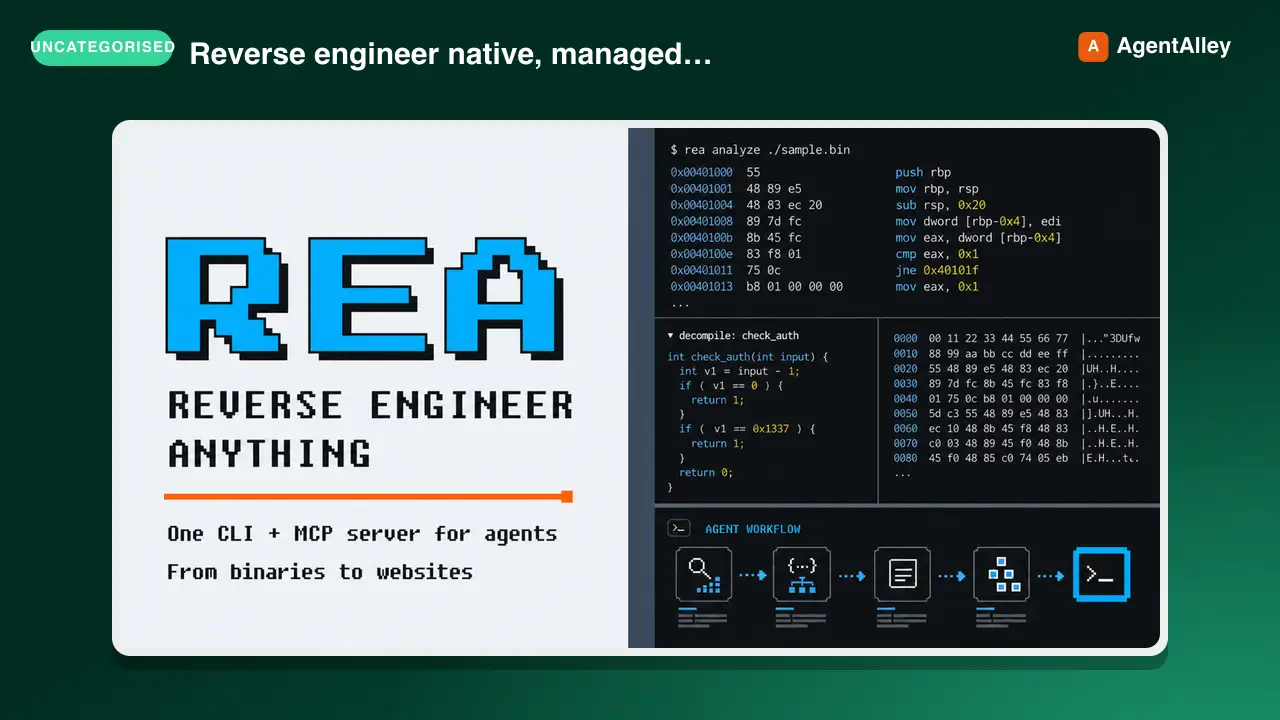 SkillCross-Platform Reverse Engineer
 morluto/rea · by morlutoReverse engineer native, managed, Electron/JavaScript, packaged, firmware, and browser targets with REA. Use shipped-artifact or requested runtime evidence to explain features, compare versions, decompile code, or guide a reconstruction. Skip REA for ordinary source-repository architecture analysis.★ 316k GitHub stars
 SkillBrainstorm Ideas
 obra/superpowers · by obraYou MUST use this before any creative work - creating features, building components, adding functionality, or modifying behavior. Explores user intent, requirements and design before implementation.★ 290k GitHub stars
 SkillCode Review Feedback Analyzerobra/superpowers · by obraUse when receiving code review feedback, before implementing suggestions, especially if feedback seems unclear or technically questionable - requires technical rigor and verification, not performative agreement or blind implementation★ 290k GitHub stars
 SkillBug Diagnosis Framework
 mattpocock/skills · by mattpocockDiagnosis loop for hard bugs and performance regressions. Use when the user says "diagnose"/"debug this", or reports something broken/throwing/failing/slow.★ 267k GitHub stars
 SkillImplement Specmattpocock/skills · by mattpocockImplement the result of /to-spec and /to-tickets in code.★ 267k GitHub stars
 SkillPR Description Writermattpocock/skills · by mattpocockUse when writing a PR body.★ 267k GitHub stars
More from AgriciDaniel
 SkillAgent Browsing Auditor
 AgriciDaniel/claude-seo · by AgriciDanielAudit and fix agent readiness: the Lighthouse Agentic Browsing fraction, accessibility tree for agents, robots.txt and Content-Signal for AI agents, WAF treatment of agent traffic, llms.txt, Markdown delivery, ai-catalog.json, /.well-known discovery files, and WebMCP tools. Exclude AI citability and brand signals (seo-geo) and commerce protocol depth (seo-ecommerce).★ 17.4k GitHub stars
 SkillAI Search OptimizationAgriciDaniel/claude-seo · by AgriciDanielOptimize content for AI Overviews (formerly SGE), ChatGPT web search, Perplexity, and other AI-powered search experiences. Generative Engine Optimization (GEO) analysis including brand mention signals, AI crawler accessibility, llms.txt compliance, passage-level citability scoring, and platform-specific optimization. Use when user says "AI Overviews", "SGE", GEO", "AI search", "LLM optimization", "Perplexity", "AI citations", ChatGPT search", or "AI visibility".★ 17.4k GitHub stars
 SkillBacklink Profile AnalysisAgriciDaniel/claude-seo · by AgriciDanielBacklink profile analysis: referring domains, anchor text distribution, toxic link detection, competitor gap analysis. Works with free APIs (Moz, Bing Webmaster, Common Crawl) and DataForSEO extension. Use when user says backlinks, link profile, referring domains, anchor text, toxic links, link gap, link building, disavow, or backlink audit.★ 17.4k GitHub stars
 SkillAmazon Ads AuditorAgriciDaniel/claude-ads · by AgriciDanielYou share your Amazon advertising numbers and goals; you get back a plain-language review of what's draining your budget and what to change first.★ 9.5k GitHub stars
 SkillApple Search Ads AuditorAgriciDaniel/claude-ads · by AgriciDanielPaste what you're spending on Apple Search Ads and your recent numbers; get back a plain review of what's wasting money and what to fix first.★ 9.5k GitHub stars
 SkillAttribution AuditorAgriciDaniel/claude-ads · by AgriciDanielPaste the sales and spend numbers each ad platform claims, and get back a plain explanation of why they disagree and which figure to trust.★ 9.5k GitHub stars