Jobs-to-be-Done Diagnostics
Product diagnostics through jtbd lens
- [ ] You can describe the job in one sentence without using the product name
# Product Diagnostics Through JTBD Lens

## Checklist: Do You Know Your Product's Job?

### Level 1: Basic Understanding

- [ ] You can describe the job in one sentence without using the product name
- [ ] You know the circumstances in which the job arises
- [ ] You know what customer did BEFORE using your product
- [ ] You understand the functional, emotional, AND social dimensions

### Level 2: Deep Understanding

- [ ] You know what you really compete with (not just "direct competitors")
- [ ] You understand push/pull and habit/anxiety forces for your customer
- [ ] You can distinguish Big Hire from Little Hire
- [ ] You know why customers "fire" your product
Overview
Define what "job done" means and measure: - % of sessions where job was completed - Time to first success (Time to Value) - Repeatability of "hiring" (hire frequency)
Manual install (npx, ZIP)
npx skills add wondelai/skills --skill product-diagnostics-through-jtbd-lens -g -a claude-codeConnects with Agent Alley MCP · agentalley.io/mcp
Files included
diagnostics.md6.2 KB
Read diagnostics.md here
wondelai/
Show the full text159 lines
Product Diagnostics Through JTBD Lens
Checklist: Do You Know Your Product's Job?
Level 1: Basic Understanding
- You can describe the job in one sentence without using the product name
- You know the circumstances in which the job arises
- You know what customer did BEFORE using your product
- You understand the functional, emotional, AND social dimensions
Level 2: Deep Understanding
- You know what you really compete with (not just "direct competitors")
- You understand push/pull and habit/anxiety forces for your customer
- You can distinguish Big Hire from Little Hire
- You know why customers "fire" your product
Level 3: Organizational Implementation
- Product decisions are filtered through the job lens
- Metrics measure job completion, not just usage
- Roadmap is oriented toward better job execution
- Team can articulate the customer's job
Red Flags - Signs You Don't Know the Job
- You describe product through features - "it's a tool for X with Y feature"
- Competition is only "similar products" - you don't see non-obvious competitors
- You segment by demographics - "target is men 25-35"
- High acquisition, low retention - you win Big Hire, lose Little Hire
- Customers use product "wrong" - they create workarounds
Diagnostic Framework
Why Aren't Customers Buying?
| Symptom | Probable Cause | Action |
|---|---|---|
| They don't know we exist | Job is poorly articulated in messaging | Rewrite messaging around the job |
| They know but don't try | Anxiety about new > Pull | Reduce friction, offer guarantees |
| They try but don't buy | Product doesn't do the job | Investigate gap between promise and reality |
| They buy but don't use | Little Hire lost | Redesign the moment of use |
| They use but churn | Job changed or better "employee" appeared | Investigate "firing" reasons |
"Firing" Interview (Churn Interview)
Questions for customers who left:
- "What did you do before us? Why did you come to us?"
- "What changed that made you start looking for alternatives?"
- "What ultimately convinced you to leave?"
- "What do you do now instead of us? Does it do the job better?"
- "If we could change one thing, what would it be?"
"Hiring" Interview (New Customer Interview)
Questions for new customers (within 2 weeks):
- "When did you first think about looking for a solution?"
- "What was the trigger - what was happening then?"
- "What alternatives did you look for? What disqualified them?"
- "What ultimately convinced you to choose us?"
- "What were you afraid of before buying?"
- "Is the product doing what you expected?"
JTBD Metrics
Instead of Traditional Metrics:
| Traditional Metric | Problem | JTBD Metric |
|---|---|---|
| DAU/MAU | Doesn't tell if job is being done | % of completed "jobs" |
| Time in app | More ≠ better | Time to job completion |
| Feature adoption | Features ≠ value | Does feature help with job? |
| NPS | General satisfaction | Would you hire us again for this job? |
| Churn rate | Retrospective | Leading indicators of "searching for alternatives" |
Job Completion Rate
Define what "job done" means and measure:
- % of sessions where job was completed
- Time to first success (Time to Value)
- Repeatability of "hiring" (hire frequency)
Post-Launch Iteration
Continuous Job Discovery
After launch, keep learning:
Usage data signals:
- Features used ≠ Features valued (may use out of necessity)
- Time spent ≠ Job done (frustration can increase time)
- Feature requests often describe solutions, not jobs
Ongoing research:
- Interview new customers within 2 weeks of purchase
- Interview churned customers within 1 week of leaving
- Observe actual usage (session recordings, support tickets)
- Track "aha moments" that predict retention
Iteration Framework
| Signal | What It Means | Action |
|---|---|---|
| High acquisition, low retention | Win Big Hire, lose Little Hire | Investigate moment of use |
| Feature used but low satisfaction | Functional works, emotional doesn't | Research emotional dimension |
| Unexpected use patterns | Hidden jobs emerging | Interview these users |
| Power users vs. casual users | Different jobs being done | May need segmentation |
Churn Analysis Through JTBD Lens
Why "Firing" Happens
Customers fire products when:
- Job changed - Circumstances evolved (company grew, life changed)
- Better "employee" appeared - Competitor does job better
- Job wasn't being done - Product never delivered on promise
- Friction accumulated - Too hard to use, not worth the effort
- Priorities shifted - Other jobs became more important
Churn Interview Framework
Timing: Within 1 week of cancellation (memory fresh)
Questions:
| Phase | Questions |
|---|---|
| Original hiring | "When you first signed up, what were you hoping to accomplish?" |
| Experience | "How well did we help you with that?" |
| The turn | "When did you start thinking about leaving?" |
| Alternatives | "What will you do instead? How did you find it?" |
| The switch | "What ultimately convinced you to leave?" |
| Retrospective | "If we could change one thing, what would make you stay?" |
Churn Patterns to Watch
| Pattern | Probable Cause | Investigation |
|---|---|---|
| Early churn (<30 days) | Never got job done | Onboarding + activation issues |
| Churn after initial success | Job completed, no ongoing need | Is this a one-time job? |
| Churn after competitor mention | Better employee exists | Competitive analysis |
| Churn with "too complicated" | Friction > value | UX and simplification |
| Churn without replacement | Job deprioritized | Were we targeting right customers? |
Acting on Churn Insights
If job changed: Consider segments, expansion products, or accepting churn as natural If competitor wins: Investigate which dimension they're serving better If job wasn't done: Product or onboarding needs improvement If friction accumulated: UX improvements, training, simplification If priorities shifted: May be targeting wrong customer profile
| 1 | # Product Diagnostics Through JTBD Lens |
| 2 | |
| 3 | ## Checklist: Do You Know Your Product's Job? |
| 4 | |
| 5 | ### Level 1: Basic Understanding |
| 6 | |
| 7 | [ ] You can describe the job in one sentence without using the product name |
| 8 | [ ] You know the circumstances in which the job arises |
| 9 | [ ] You know what customer did BEFORE using your product |
| 10 | [ ] You understand the functional, emotional, AND social dimensions |
| 11 | |
| 12 | ### Level 2: Deep Understanding |
| 13 | |
| 14 | [ ] You know what you really compete with (not just "direct competitors") |
| 15 | [ ] You understand push/pull and habit/anxiety forces for your customer |
| 16 | [ ] You can distinguish Big Hire from Little Hire |
| 17 | [ ] You know why customers "fire" your product |
| 18 | |
| 19 | ### Level 3: Organizational Implementation |
| 20 | |
| 21 | [ ] Product decisions are filtered through the job lens |
| 22 | [ ] Metrics measure job completion, not just usage |
| 23 | [ ] Roadmap is oriented toward better job execution |
| 24 | [ ] Team can articulate the customer's job |
| 25 | |
| 26 | ## Red Flags - Signs You Don't Know the Job |
| 27 | |
| 28 | **You describe product through features** - "it's a tool for X with Y feature" |
| 29 | **Competition is only "similar products"** - you don't see non-obvious competitors |
| 30 | **You segment by demographics** - "target is men 25-35" |
| 31 | **High acquisition, low retention** - you win Big Hire, lose Little Hire |
| 32 | **Customers use product "wrong"** - they create workarounds |
| 33 | |
| 34 | ## Diagnostic Framework |
| 35 | |
| 36 | ### Why Aren't Customers Buying? |
| 37 | |
| 38 | | Symptom | Probable Cause | Action | |
| 39 | |---------|----------------|--------| |
| 40 | | They don't know we exist | Job is poorly articulated in messaging | Rewrite messaging around the job | |
| 41 | | They know but don't try | Anxiety about new > Pull | Reduce friction, offer guarantees | |
| 42 | | They try but don't buy | Product doesn't do the job | Investigate gap between promise and reality | |
| 43 | | They buy but don't use | Little Hire lost | Redesign the moment of use | |
| 44 | | They use but churn | Job changed or better "employee" appeared | Investigate "firing" reasons | |
| 45 | |
| 46 | ### "Firing" Interview (Churn Interview) |
| 47 | |
| 48 | Questions for customers who left: |
| 49 | |
| 50 | "What did you do before us? Why did you come to us?" |
| 51 | "What changed that made you start looking for alternatives?" |
| 52 | "What ultimately convinced you to leave?" |
| 53 | "What do you do now instead of us? Does it do the job better?" |
| 54 | "If we could change one thing, what would it be?" |
| 55 | |
| 56 | ### "Hiring" Interview (New Customer Interview) |
| 57 | |
| 58 | Questions for new customers (within 2 weeks): |
| 59 | |
| 60 | "When did you first think about looking for a solution?" |
| 61 | "What was the trigger - what was happening then?" |
| 62 | "What alternatives did you look for? What disqualified them?" |
| 63 | "What ultimately convinced you to choose us?" |
| 64 | "What were you afraid of before buying?" |
| 65 | "Is the product doing what you expected?" |
| 66 | |
| 67 | ## JTBD Metrics |
| 68 | |
| 69 | ### Instead of Traditional Metrics: |
| 70 | |
| 71 | | Traditional Metric | Problem | JTBD Metric | |
| 72 | |-------------------|---------|-------------| |
| 73 | | DAU/MAU | Doesn't tell if job is being done | % of completed "jobs" | |
| 74 | | Time in app | More ≠ better | Time to job completion | |
| 75 | | Feature adoption | Features ≠ value | Does feature help with job? | |
| 76 | | NPS | General satisfaction | Would you hire us again for this job? | |
| 77 | | Churn rate | Retrospective | Leading indicators of "searching for alternatives" | |
| 78 | |
| 79 | ### Job Completion Rate |
| 80 | |
| 81 | Define what "job done" means and measure: |
| 82 | % of sessions where job was completed |
| 83 | Time to first success (Time to Value) |
| 84 | Repeatability of "hiring" (hire frequency) |
| 85 | |
| 86 | |
| 87 | |
| 88 | ## Post-Launch Iteration |
| 89 | |
| 90 | ### Continuous Job Discovery |
| 91 | |
| 92 | After launch, keep learning: |
| 93 | |
| 94 | **Usage data signals:** |
| 95 | Features used ≠ Features valued (may use out of necessity) |
| 96 | Time spent ≠ Job done (frustration can increase time) |
| 97 | Feature requests often describe solutions, not jobs |
| 98 | |
| 99 | **Ongoing research:** |
| 100 | Interview new customers within 2 weeks of purchase |
| 101 | Interview churned customers within 1 week of leaving |
| 102 | Observe actual usage (session recordings, support tickets) |
| 103 | Track "aha moments" that predict retention |
| 104 | |
| 105 | ### Iteration Framework |
| 106 | |
| 107 | | Signal | What It Means | Action | |
| 108 | |--------|---------------|--------| |
| 109 | | High acquisition, low retention | Win Big Hire, lose Little Hire | Investigate moment of use | |
| 110 | | Feature used but low satisfaction | Functional works, emotional doesn't | Research emotional dimension | |
| 111 | | Unexpected use patterns | Hidden jobs emerging | Interview these users | |
| 112 | | Power users vs. casual users | Different jobs being done | May need segmentation | |
| 113 | |
| 114 | |
| 115 | |
| 116 | ## Churn Analysis Through JTBD Lens |
| 117 | |
| 118 | ### Why "Firing" Happens |
| 119 | |
| 120 | Customers fire products when: |
| 121 | **Job changed** - Circumstances evolved (company grew, life changed) |
| 122 | **Better "employee" appeared** - Competitor does job better |
| 123 | **Job wasn't being done** - Product never delivered on promise |
| 124 | **Friction accumulated** - Too hard to use, not worth the effort |
| 125 | **Priorities shifted** - Other jobs became more important |
| 126 | |
| 127 | ### Churn Interview Framework |
| 128 | |
| 129 | **Timing:** Within 1 week of cancellation (memory fresh) |
| 130 | |
| 131 | **Questions:** |
| 132 | |
| 133 | | Phase | Questions | |
| 134 | |-------|-----------| |
| 135 | | Original hiring | "When you first signed up, what were you hoping to accomplish?" | |
| 136 | | Experience | "How well did we help you with that?" | |
| 137 | | The turn | "When did you start thinking about leaving?" | |
| 138 | | Alternatives | "What will you do instead? How did you find it?" | |
| 139 | | The switch | "What ultimately convinced you to leave?" | |
| 140 | | Retrospective | "If we could change one thing, what would make you stay?" | |
| 141 | |
| 142 | ### Churn Patterns to Watch |
| 143 | |
| 144 | | Pattern | Probable Cause | Investigation | |
| 145 | |---------|----------------|---------------| |
| 146 | | Early churn (<30 days) | Never got job done | Onboarding + activation issues | |
| 147 | | Churn after initial success | Job completed, no ongoing need | Is this a one-time job? | |
| 148 | | Churn after competitor mention | Better employee exists | Competitive analysis | |
| 149 | | Churn with "too complicated" | Friction > value | UX and simplification | |
| 150 | | Churn without replacement | Job deprioritized | Were we targeting right customers? | |
| 151 | |
| 152 | ### Acting on Churn Insights |
| 153 | |
| 154 | **If job changed:** Consider segments, expansion products, or accepting churn as natural |
| 155 | **If competitor wins:** Investigate which dimension they're serving better |
| 156 | **If job wasn't done:** Product or onboarding needs improvement |
| 157 | **If friction accumulated:** UX improvements, training, simplification |
| 158 | **If priorities shifted:** May be targeting wrong customer profile |
| 159 |
Details
- Updated
- Sep 10, 2026
- License
- MIT
- Stars on the repo
- ★ 2,235
- Checked
- Source
- wondelai/skills ↗
- Creator
- wondelai · 319 listings
Similar skills
See all →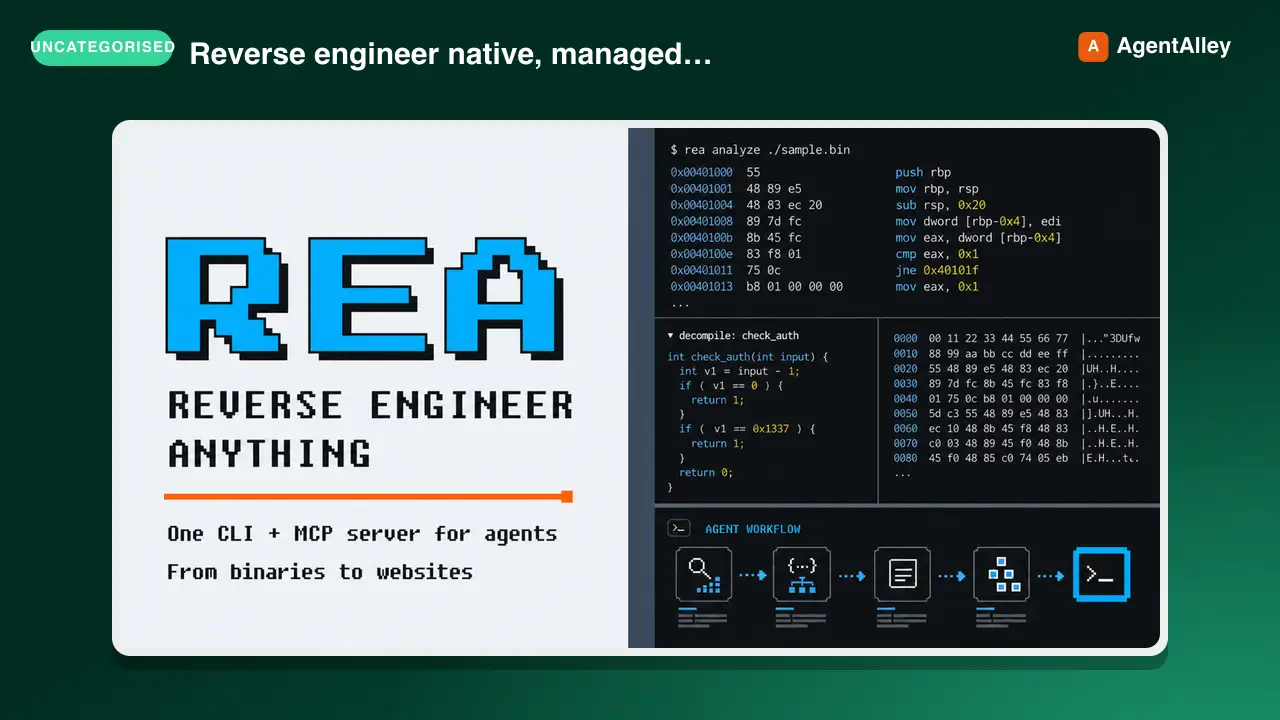 SkillCross-Platform Reverse Engineer
 morluto/rea · by morlutoReverse engineer native, managed, Electron/JavaScript, packaged, firmware, and browser targets with REA. Use shipped-artifact or requested runtime evidence to explain features, compare versions, decompile code, or guide a reconstruction. Skip REA for ordinary source-repository architecture analysis.★ 316k GitHub stars
 SkillBrainstorm Ideas
 obra/superpowers · by obraYou MUST use this before any creative work - creating features, building components, adding functionality, or modifying behavior. Explores user intent, requirements and design before implementation.★ 290k GitHub stars
 SkillCode Review Feedback Analyzerobra/superpowers · by obraUse when receiving code review feedback, before implementing suggestions, especially if feedback seems unclear or technically questionable - requires technical rigor and verification, not performative agreement or blind implementation★ 290k GitHub stars
 SkillBug Diagnosis Framework
 mattpocock/skills · by mattpocockDiagnosis loop for hard bugs and performance regressions. Use when the user says "diagnose"/"debug this", or reports something broken/throwing/failing/slow.★ 267k GitHub stars
 SkillImplement Specmattpocock/skills · by mattpocockImplement the result of /to-spec and /to-tickets in code.★ 267k GitHub stars
 SkillPR Description Writermattpocock/skills · by mattpocockUse when writing a PR body.★ 267k GitHub stars
More from wondelai
 SkillSoftware Design Philosophy
 wondelai/skills · by wondelaiManage software complexity through deep modules, information hiding, and strategic programming. Use when the user mentions "module design", "API too complex", "shallow class", "complexity budget", "strategic vs tactical", "deep module", "information leakage", "pass-through method", "this code is over-engineered", or "simplify this design". Also trigger when reviewing an interface for simplicity, evaluating whether an abstraction is pulling its weight, deciding whether a comment is worth writing, or choosing between general-purpose and special-purpose approaches. Covers deep vs shallow modules, red flags for complexity, and comments as design documentation. For code quality, see clean-code. For architecture boundaries, see clean-architecture.★ 2.2k GitHub stars
 SkillActionable Metrics Guidewondelai/skills · by wondelaiMetrics are the language of validated learning. The wrong metrics create the illusion of progress while the startup drifts toward failure.…★ 2.2k GitHub stars
 SkillAdvertising Mediawondelai/skills · by wondelaiAdvertising media is the vehicle that carries your message to your target market. Choosing the right media is not about what is trendy — it…★ 2.2k GitHub stars
 SkillAffordance Designwondelai/skills · by wondelaiAn affordance is a relationship between an object and a person that determines how the object could possibly be used. A chair affords…★ 2.2k GitHub stars
 SkillLean UX in Agile Teamswondelai/skills · by wondelaiLean UX was designed to work inside Agile development teams, not alongside them. The central mechanism is dual-track agile, where a…★ 2.2k GitHub stars
 SkillAMP Framework Practitionerwondelai/skills · by wondelaiThis reference translates the AMP framework from theory into practice across six domains: product gamification, team management,…★ 2.2k GitHub stars