Project Plan Writer
Plan writing
Structured task planning with clear breakdowns, dependencies, and verification criteria. Use when implementing features, refactoring, or any multi-step work.
---
name: plan-writing
description: Structured task planning with clear breakdowns, dependencies, and verification criteria. Use when implementing features, refactoring, or any multi-step work.
allowed-tools: Read, Glob, Grep
---

# Plan Writing

> Source: obra/superpowers

## Overview
This skill provides a framework for breaking down work into clear, actionable tasks with verification criteria.

## Task Breakdown Principles

### 1. Small, Focused Tasks
- Each task should take 2-5 minutes
- One clear outcome per task
Overview
For NEW PROJECT: - What tech stack? (decide first) - What's the MVP? (minimal features) - What's the file structure?
Manual install (npx, ZIP)
npx skills add davila7/claude-code-templates --skill plan-writing -g -a claude-codenpx degit davila7/claude-code-templates/cli-tool/components/skills/productivity/plan-writing#main ~/.claude/skills/plan-writingConnects with Agent Alley MCP · agentalley.io/mcp
Files included
SKILL.md3.9 KB
Read SKILL.md here
Show the full text153 lines
Plan Writing
Source: obra/superpowers
Overview
This skill provides a framework for breaking down work into clear, actionable tasks with verification criteria.
Task Breakdown Principles
1. Small, Focused Tasks
- Each task should take 2-5 minutes
- One clear outcome per task
- Independently verifiable
2. Clear Verification
- How do you know it's done?
- What can you check/test?
- What's the expected output?
3. Logical Ordering
- Dependencies identified
- Parallel work where possible
- Critical path highlighted
- Phase X: Verification is always LAST
4. Dynamic Naming in Project Root
- Plan files are saved as
{task-slug}.mdin the PROJECT ROOT - Name derived from task (e.g., "add auth" →
auth-feature.md) - NEVER inside
.claude/,docs/, or temp folders
Planning Principles (NOT Templates!)
🔴 NO fixed templates. Each plan is UNIQUE to the task.
Principle 1: Keep It SHORT
| ❌ Wrong | ✅ Right |
|---|---|
| 50 tasks with sub-sub-tasks | 5-10 clear tasks max |
| Every micro-step listed | Only actionable items |
| Verbose descriptions | One-line per task |
Rule: If plan is longer than 1 page, it's too long. Simplify.
Principle 2: Be SPECIFIC, Not Generic
| ❌ Wrong | ✅ Right |
|---|---|
| "Set up project" | "Run npx create-next-app" |
| "Add authentication" | "Install next-auth, create /api/auth/[...nextauth].ts" |
| "Style the UI" | "Add Tailwind classes to Header.tsx" |
Rule: Each task should have a clear, verifiable outcome.
Principle 3: Dynamic Content Based on Project Type
For NEW PROJECT:
- What tech stack? (decide first)
- What's the MVP? (minimal features)
- What's the file structure?
For FEATURE ADDITION:
- Which files are affected?
- What dependencies needed?
- How to verify it works?
For BUG FIX:
- What's the root cause?
- What file/line to change?
- How to test the fix?
Principle 4: Scripts Are Project-Specific
🔴 DO NOT copy-paste script commands. Choose based on project type.
| Project Type | Relevant Scripts |
|---|---|
| Frontend/React | ux_audit.py, accessibility_checker.py |
| Backend/API | api_validator.py, security_scan.py |
| Mobile | mobile_audit.py |
| Database | schema_validator.py |
| Full-stack | Mix of above based on what you touched |
Wrong: Adding all scripts to every plan Right: Only scripts relevant to THIS task
Principle 5: Verification is Simple
| ❌ Wrong | ✅ Right |
|---|---|
| "Verify the component works correctly" | "Run npm run dev, click button, see toast" |
| "Test the API" | "curl localhost:3000/api/users returns 200" |
| "Check styles" | "Open browser, verify dark mode toggle works" |
Plan Structure (Flexible, Not Fixed!)
# [Task Name]

## Goal
One sentence: What are we building/fixing?

## Tasks
- [ ] Task 1: [Specific action] → Verify: [How to check]
- [ ] Task 2: [Specific action] → Verify: [How to check]
- [ ] Task 3: [Specific action] → Verify: [How to check]

## Done When
- [ ] [Main success criteria]
That's it. No phases, no sub-sections unless truly needed. Keep it minimal. Add complexity only when required.
Notes
[Any important considerations]
---

## Best Practices (Quick Reference)

1. **Start with goal** - What are we building/fixing?
2. **Max 10 tasks** - If more, break into multiple plans
3. **Each task verifiable** - Clear "done" criteria
4. **Project-specific** - No copy-paste templates
5. **Update as you go** - Mark `[x]` when complete

---

## When to Use

- New project from scratch
- Adding a feature
- Fixing a bug (if complex)
- Refactoring multiple files
| 1 | |
| 2 | name plan-writing |
| 3 | description Structured task planning with clear breakdowns, dependencies, and verification criteria. Use when implementing features, refactoring, or any multi-step work. |
| 4 | allowed-tools Read, Glob, Grep |
| 5 | |
| 6 | |
| 7 | # Plan Writing |
| 8 | |
| 9 | > Source: obra/superpowers |
| 10 | |
| 11 | ## Overview |
| 12 | This skill provides a framework for breaking down work into clear, actionable tasks with verification criteria. |
| 13 | |
| 14 | ## Task Breakdown Principles |
| 15 | |
| 16 | ### 1. Small, Focused Tasks |
| 17 | Each task should take 2-5 minutes |
| 18 | One clear outcome per task |
| 19 | Independently verifiable |
| 20 | |
| 21 | ### 2. Clear Verification |
| 22 | How do you know it's done? |
| 23 | What can you check/test? |
| 24 | What's the expected output? |
| 25 | |
| 26 | ### 3. Logical Ordering |
| 27 | Dependencies identified |
| 28 | Parallel work where possible |
| 29 | Critical path highlighted |
| 30 | **Phase X: Verification is always LAST** |
| 31 | |
| 32 | ### 4. Dynamic Naming in Project Root |
| 33 | Plan files are saved as `{task-slug}.md` in the PROJECT ROOT |
| 34 | Name derived from task (e.g., "add auth" → `auth-feature.md`) |
| 35 | **NEVER** inside `.claude/`, `docs/`, or temp folders |
| 36 | |
| 37 | ## Planning Principles (NOT Templates!) |
| 38 | |
| 39 | > 🔴 **NO fixed templates. Each plan is UNIQUE to the task.** |
| 40 | |
| 41 | ### Principle 1: Keep It SHORT |
| 42 | |
| 43 | | ❌ Wrong | ✅ Right | |
| 44 | |----------|----------| |
| 45 | | 50 tasks with sub-sub-tasks | 5-10 clear tasks max | |
| 46 | | Every micro-step listed | Only actionable items | |
| 47 | | Verbose descriptions | One-line per task | |
| 48 | |
| 49 | > **Rule:** If plan is longer than 1 page, it's too long. Simplify. |
| 50 | |
| 51 | |
| 52 | |
| 53 | ### Principle 2: Be SPECIFIC, Not Generic |
| 54 | |
| 55 | | ❌ Wrong | ✅ Right | |
| 56 | |----------|----------| |
| 57 | | "Set up project" | "Run `npx create-next-app`" | |
| 58 | | "Add authentication" | "Install next-auth, create `/api/auth/[...nextauth].ts`" | |
| 59 | | "Style the UI" | "Add Tailwind classes to `Header.tsx`" | |
| 60 | |
| 61 | > **Rule:** Each task should have a clear, verifiable outcome. |
| 62 | |
| 63 | |
| 64 | |
| 65 | ### Principle 3: Dynamic Content Based on Project Type |
| 66 | |
| 67 | **For NEW PROJECT:** |
| 68 | What tech stack? (decide first) |
| 69 | What's the MVP? (minimal features) |
| 70 | What's the file structure? |
| 71 | |
| 72 | **For FEATURE ADDITION:** |
| 73 | Which files are affected? |
| 74 | What dependencies needed? |
| 75 | How to verify it works? |
| 76 | |
| 77 | **For BUG FIX:** |
| 78 | What's the root cause? |
| 79 | What file/line to change? |
| 80 | How to test the fix? |
| 81 | |
| 82 | |
| 83 | |
| 84 | ### Principle 4: Scripts Are Project-Specific |
| 85 | |
| 86 | > 🔴 **DO NOT copy-paste script commands. Choose based on project type.** |
| 87 | |
| 88 | | Project Type | Relevant Scripts | |
| 89 | |--------------|------------------| |
| 90 | | Frontend/React | `ux_audit.py`, `accessibility_checker.py` | |
| 91 | | Backend/API | `api_validator.py`, `security_scan.py` | |
| 92 | | Mobile | `mobile_audit.py` | |
| 93 | | Database | `schema_validator.py` | |
| 94 | | Full-stack | Mix of above based on what you touched | |
| 95 | |
| 96 | **Wrong:** Adding all scripts to every plan |
| 97 | **Right:** Only scripts relevant to THIS task |
| 98 | |
| 99 | |
| 100 | |
| 101 | ### Principle 5: Verification is Simple |
| 102 | |
| 103 | | ❌ Wrong | ✅ Right | |
| 104 | |----------|----------| |
| 105 | | "Verify the component works correctly" | "Run `npm run dev`, click button, see toast" | |
| 106 | | "Test the API" | "curl localhost:3000/api/users returns 200" | |
| 107 | | "Check styles" | "Open browser, verify dark mode toggle works" | |
| 108 | |
| 109 | |
| 110 | |
| 111 | ## Plan Structure (Flexible, Not Fixed!) |
| 112 | |
| 113 | |
| 114 | # [Task Name] |
| 115 | |
| 116 | ## Goal |
| 117 | One sentence: What are we building/fixing? |
| 118 | |
| 119 | ## Tasks |
| 120 | - [ ] Task 1: [Specific action] → Verify: [How to check] |
| 121 | - [ ] Task 2: [Specific action] → Verify: [How to check] |
| 122 | - [ ] Task 3: [Specific action] → Verify: [How to check] |
| 123 | |
| 124 | ## Done When |
| 125 | - [ ] [Main success criteria] |
| 126 | |
| 127 | |
| 128 | > **That's it.** No phases, no sub-sections unless truly needed. |
| 129 | > Keep it minimal. Add complexity only when required. |
| 130 | |
| 131 | ## Notes |
| 132 | [Any important considerations] |
| 133 | |
| 134 | |
| 135 | |
| 136 | |
| 137 | ## Best Practices (Quick Reference) |
| 138 | |
| 139 | 1. **Start with goal** - What are we building/fixing? |
| 140 | 2. **Max 10 tasks** - If more, break into multiple plans |
| 141 | 3. **Each task verifiable** - Clear "done" criteria |
| 142 | 4. **Project-specific** - No copy-paste templates |
| 143 | 5. **Update as you go** - Mark `[x]` when complete |
| 144 | |
| 145 | |
| 146 | |
| 147 | ## When to Use |
| 148 | |
| 149 | - New project from scratch |
| 150 | - Adding a feature |
| 151 | - Fixing a bug (if complex) |
| 152 | - Refactoring multiple files |
| 153 |
Details
- License
- MIT
- Stars on the repo
- ★ 32,299
- Checked
- Source
- davila7/claude-code-templates ↗
- Creator
- davila7 · 212 listings
Similar skills
See all →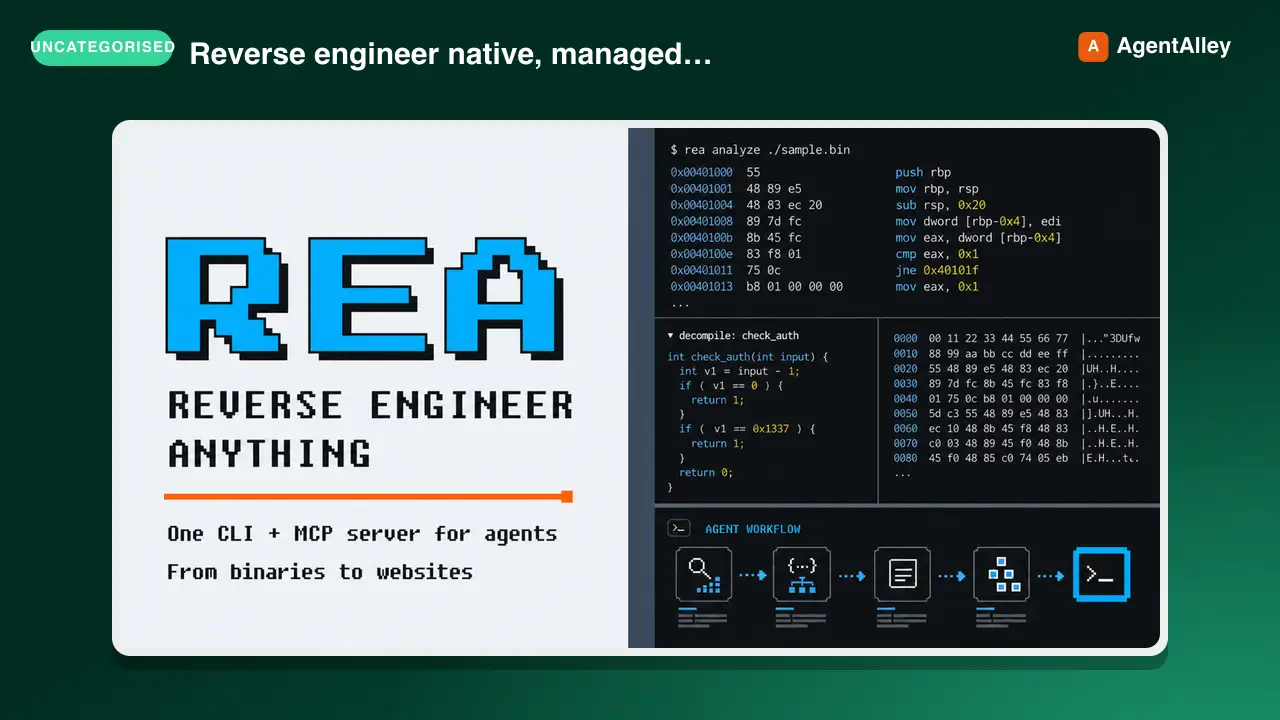 SkillCross-Platform Reverse Engineer
 morluto/rea · by morlutoReverse engineer native, managed, Electron/JavaScript, packaged, firmware, and browser targets with REA. Use shipped-artifact or requested runtime evidence to explain features, compare versions, decompile code, or guide a reconstruction. Skip REA for ordinary source-repository architecture analysis.★ 316k GitHub stars
 SkillBrainstorm Ideas
 obra/superpowers · by obraYou MUST use this before any creative work - creating features, building components, adding functionality, or modifying behavior. Explores user intent, requirements and design before implementation.★ 290k GitHub stars
 SkillCode Review Feedback Analyzerobra/superpowers · by obraUse when receiving code review feedback, before implementing suggestions, especially if feedback seems unclear or technically questionable - requires technical rigor and verification, not performative agreement or blind implementation★ 290k GitHub stars
 SkillBug Diagnosis Framework
 mattpocock/skills · by mattpocockDiagnosis loop for hard bugs and performance regressions. Use when the user says "diagnose"/"debug this", or reports something broken/throwing/failing/slow.★ 267k GitHub stars
 SkillImplement Specmattpocock/skills · by mattpocockImplement the result of /to-spec and /to-tickets in code.★ 267k GitHub stars
 SkillPR Description Writermattpocock/skills · by mattpocockUse when writing a PR body.★ 267k GitHub stars
More from davila7
 Skill2D Game Development
 davila7/claude-code-templates · by davila72D game development principles. Sprites, tilemaps, physics, camera.★ 32.3k GitHub stars
 Skill3D Game Development Principlesdavila7/claude-code-templates · by davila73D game development principles. Rendering, shaders, physics, cameras.★ 32.3k GitHub stars
 Skill3D Web Experience Builderdavila7/claude-code-templates · by davila7Expert in building 3D experiences for the web - Three.js, React Three Fiber, Spline, WebGL, and interactive 3D scenes. Covers product configurators, 3D portfolios, immersive websites, and bringing depth to web experiences. Use when: 3D website, three.js, WebGL, react three fiber, 3D experience.★ 32.3k GitHub stars
 SkillSplit Test Setupdavila7/claude-code-templates · by davila7When the user wants to plan, design, or implement an A/B test or experiment. Also use when the user mentions "A/B test," "split test," "experiment," "test this change," "variant copy," "multivariate test," or "hypothesis." For tracking implementation, see analytics-tracking.★ 32.3k GitHub stars
 AgentResearch Literature Synthesizerdavila7/claude-code-templates · by davila7Academic research synthesis specialist. Use PROACTIVELY for comprehensive research on academic topics, literature reviews, technical investigations, and well-cited analysis combining multiple sources. <example>Context: A podcast episode needs a segment grounded in peer-reviewed evidence with formal citations. user: "Research the current state of transformer efficiency techniques for the episode, with proper academic citations." assistant: "I'll use the academic-research-synthesizer agent to search arXiv and Semantic Scholar, extract full-text findings via WebFetch, and produce a cited literature synthesis with confidence levels." <commentary>Use academic-research-synthesizer (not comprehensive-researcher) when the episode segment needs peer-reviewed sourcing, formal citation format, and explicit confidence tagging rather than general-purpose multi-source coverage.</commentary></example> <example>Context: The episode-orchestrator has routed a "literature review" request for a technical deep-dive segment. user: "Summarize the research landscape on federated learning privacy guarantees." assistant: "I'll invoke academic-research-synthesizer to systematically search academic sources, note peer-review status per source, and synthesize consensus vs. open debates."</example>★ 32.3k GitHub stars
 AgentAcademic Research Specialistdavila7/claude-code-templates · by davila7Academic research specialist for scholarly sources, peer-reviewed papers, and academic literature. Use PROACTIVELY for research paper analysis, literature reviews, citation tracking, and academic methodology evaluation. <example>Context: The research-orchestrator has kicked off Phase 4 parallel research on 'efficacy of intermittent fasting' and needs peer-reviewed evidence. user: "Find the academic evidence on intermittent fasting outcomes." assistant: "I'll use the academic-researcher agent to search Semantic Scholar, PubMed, and OpenAlex for peer-reviewed studies and write structured findings to academic-research.md." <commentary>The request is specifically for scholarly/peer-reviewed evidence rather than general web coverage or code, so academic-researcher (not web-researcher or technical-researcher) is the right specialist.</commentary></example> <example>Context: The user wants a literature review comparing methodologies across studies on a topic. user: "Can you review the literature on transformer model interpretability and identify research gaps?" assistant: "Let me invoke the academic-researcher agent to pull foundational and recent papers, extract methodologies, and surface open research gaps." <commentary>Literature review, methodology extraction, and research-gap identification are core academic-researcher capabilities, distinct from technical-researcher's focus on code repositories and implementations.</commentary></example>★ 32.3k GitHub stars