Code Naming Conventions
Naming conventions
Comprehensive guide to choosing names that reveal intent, avoid disinformation, and make code read like well-written prose.
# Naming Conventions

Comprehensive guide to choosing names that reveal intent, avoid disinformation, and make code read like well-written prose. Based on Robert C. Martin's *Clean Code*, Chapter 2.

## The Golden Rule

**A name should tell you why it exists, what it does, and how it is used.** If a name requires a comment to explain it, the name does not reveal its intent.

---

## Intention-Revealing Names

The name of a variable, function, or class should answer three questions:
1. Why does it exist?
2. What does it do?
3. How is it used?

### Before and After
Overview
Comprehensive guide to choosing names that reveal intent, avoid disinformation, and make code read like well-written prose. Based on Robert C. Martin's Clean Code, Chapter 2.
Manual install (npx, ZIP)
npx skills add wondelai/skills --skill naming-conventions -g -a claude-codeConnects with Agent Alley MCP · agentalley.io/mcp
Files included
naming-conventions.md11.0 KB
Read naming-conventions.md here
wondelai/
Show the full text281 lines
Naming Conventions
Comprehensive guide to choosing names that reveal intent, avoid disinformation, and make code read like well-written prose. Based on Robert C. Martin's Clean Code, Chapter 2.
The Golden Rule
A name should tell you why it exists, what it does, and how it is used. If a name requires a comment to explain it, the name does not reveal its intent.
Intention-Revealing Names
The name of a variable, function, or class should answer three questions:
- Why does it exist?
- What does it do?
- How is it used?
Before and After
| Before | After | Why it's better |
|---|---|---|
d |
elapsedTimeInDays |
Reveals what the number represents |
list |
flaggedAccounts |
Describes which list and why it exists |
hp |
isHighPriority |
Self-documents its boolean nature and meaning |
temp |
unprocessedBatchItems |
Communicates purpose, not temporary status |
x, y |
latitude, longitude |
Domain language replaces abstract math symbols |
val |
discountPercentage |
Specifies what value and its unit |
data |
customerOrderHistory |
Names the specific data, not the generic concept |
info |
shippingTrackingDetails |
Adds specificity to a meaningless suffix |
Code Example
# BAD: What does this do?
def get_them(the_list):
    result = []
    for x in the_list:
        if x[0] == 4:
            result.append(x)
    return result

# GOOD: Intention is revealed
def get_flagged_cells(game_board):
    flagged_cells = []
    for cell in game_board:
        if cell.is_flagged():
            flagged_cells.append(cell)
    return flagged_cells
Avoiding Disinformation
Disinformation means using names that imply something different from the actual meaning.
Rules:
- Don't use
accountListunless it is actually aListtype -- useaccountsoraccountGroup - Don't use names that vary in small ways:
XYZControllerForEfficientHandlingOfStringsvsXYZControllerForEfficientStorageOfStrings - Don't use lowercase
Lor uppercaseOas variable names (look like1and0) - Don't use names of other well-known entities:
hp,aix,scoare Unix platform names
Common Disinformation Patterns
| Disinformation | Problem | Fix |
|---|---|---|
accountList when it's a Set |
Implies ordered, duplicates allowed | Use accounts |
name1, name2 |
Implies ordering or relationship that doesn't exist | Use meaningful distinction: firstName, lastName |
strName |
Hungarian notation; type may change | Just use name |
theAccount vs account |
No meaningful distinction | Pick one, use it consistently |
Meaningful Distinctions
If names must be different, they should mean something different.
Noise words are meaningless distinctions:
ProductvsProductInfovsProductData-- what's the difference?getAccount()vsgetAccountInfo()vsgetAccountData()-- indistinguishablenamevsnameString-- isnamea floating-point number?
The test: If you cannot tell what two similarly named things do without reading their implementations, the names fail.
How to Make Meaningful Distinctions
| Instead of | Use | Rationale |
|---|---|---|
copyChars(a1, a2) |
copyChars(source, destination) |
Arguments reveal their role |
moneyAmount vs money |
Just money |
Amount is implied by the context |
theMessage vs message |
Just message |
The article adds no information |
accountData vs account |
Just account |
Data is inherent -- what else would it be? |
Pronounceable Names
If you cannot pronounce a name, you cannot discuss it without sounding foolish.
| Unpronounceable | Pronounceable |
|---|---|
genymdhms |
generationTimestamp |
modymdhms |
modificationTimestamp |
pszqint |
formattedQuantity |
cstmrAddr |
customerAddress |
Why it matters: Programming is a social activity. You discuss code in reviews, pairing, design meetings, and stand-ups. Names you cannot say out loud create communication barriers.
Searchable Names
Single-letter names and numeric constants are impossible to search for in a large codebase.
Rule of thumb: The length of a name should correspond to the size of its scope.
| Scope | Name length | Example |
|---|---|---|
| Single-line lambda | 1 character acceptable | items.map(x => x.id) |
| Loop body (3-5 lines) | 1-2 characters acceptable | for i in range(len(items)) |
| Method scope | Descriptive word(s) | retryCount, matchingUser |
| Class scope | Fully descriptive phrase | maximumQueueCapacity |
| Module/global scope | Complete, searchable phrase | DEFAULT_CONNECTION_TIMEOUT_MS |
Constants Must Be Named
// BAD: What does 5 mean? What does 7 mean?
if (retries > 5) { ... }
setTimeout(fn, 7 * 86400000);

// GOOD: Self-documenting
const MAX_RETRY_ATTEMPTS = 5;
const CACHE_EXPIRY_DAYS = 7;
const MS_PER_DAY = 86400000;

if (retries > MAX_RETRY_ATTEMPTS) { ... }
setTimeout(fn, CACHE_EXPIRY_DAYS * MS_PER_DAY);
Class Names vs. Method Names
Class Names: Nouns and Noun Phrases
Classes represent things. Their names should be nouns or noun phrases.
| Good | Bad | Why |
|---|---|---|
Customer |
CustomerManager |
Manager is vague -- what does it manage? |
WikiPage |
WebPage |
More specific to the domain |
AddressParser |
ParseAddress |
Noun phrase, not a verb |
InvoiceRepository |
InvoiceProcessor |
Processor is vague -- what processing? |
Account |
AccountData |
Data suffix is noise |
Avoid: Manager, Processor, Data, Info -- these are weasel words that indicate the class has no clear responsibility.
Method Names: Verbs and Verb Phrases
Methods represent actions. Their names should be verbs or verb phrases.
| Good | Bad | Why |
|---|---|---|
save() |
doSave() |
do prefix is noise |
calculateTax() |
tax() |
Verb clarifies it computes, not stores |
isValid() |
checkValid() |
Boolean accessor follows is/has/can convention |
fromJson(str) |
parse(str) |
Static factory name describes transformation |
deleteExpiredSessions() |
cleanup() |
Specific about what gets cleaned |
Accessor, Mutator, and Predicate Conventions
// Accessors: get + property
String getName()
int getAge()

// Mutators: set + property
void setName(String name)
void setAge(int age)

// Predicates: is/has/can + condition
boolean isEmpty()
boolean hasPermission(Role role)
boolean canExecute()
Naming Conventions by Language
Python
snake_casefor functions and variables:calculate_total,user_countPascalCasefor classes:UserAccount,OrderProcessorUPPER_SNAKE_CASEfor constants:MAX_RETRIES,DEFAULT_TIMEOUT_leading_underscorefor private:_internal_cache__dunder__for magic methods:__init__,__str__
JavaScript/TypeScript
camelCasefor functions and variables:calculateTotal,userCountPascalCasefor classes and components:UserAccount,OrderListUPPER_SNAKE_CASEfor constants:MAX_RETRIES,API_BASE_URL#privateFieldfor private class fields (ES2022+)
Java
camelCasefor methods and variables:calculateTotal(),userCountPascalCasefor classes:UserAccount,OrderServiceUPPER_SNAKE_CASEfor constants:MAX_RETRIES- Packages:
com.company.project.module
Go
PascalCasefor exported (public):CalculateTotal,UserCountcamelCasefor unexported (private):calculateTotal,userCount- Short names acceptable for small scopes:
rfor reader,wfor writer - Acronyms stay uppercase:
HTTPClient,XMLParser,userID
Rust
snake_casefor functions and variables:calculate_total,user_countPascalCasefor types and traits:UserAccount,SerializeUPPER_SNAKE_CASEfor constants and statics:MAX_RETRIES- Lifetime names: short lowercase
'a,'bor descriptive'input,'output
The Pick-One-Word-Per-Concept Rule
Using different words for the same abstract concept is confusing.
| Inconsistent | Consistent | Rule |
|---|---|---|
fetch / retrieve / get |
Pick get everywhere |
One word for the read operation |
controller / manager / driver |
Pick controller everywhere |
One word for the coordination role |
create / make / build / new |
Pick create for API, build for complex assembly |
Differentiate only if semantics differ |
remove / delete / destroy |
delete for permanent, remove for detach |
Different words when semantics differ |
Solution Domain vs. Problem Domain Names
Use solution domain names when the concept is a well-known computer science term:
Queue,Stack,HashMap,Factory,Visitor,Iterator- Fellow programmers will recognize these instantly
Use problem domain names when the concept belongs to the business:
Invoice,Shipment,PolicyHolder,ClaimAdjuster- Domain experts and future maintainers will understand these
The priority: Problem domain names first, solution domain names second. Code that reads in business terms is easier for the whole team -- developers, testers, product managers -- to discuss and verify.
Common Anti-Patterns
Names to Avoid
| Anti-pattern | Example | Problem |
|---|---|---|
| Single letter | a, b, t |
Meaningless outside tiny loops |
| Abbreviation | acct, mgr, btn, usr |
Saves milliseconds, costs hours |
| Generic suffix | DataObject, InfoManager |
Adds nothing; signals unclear responsibility |
| Type encoding | sName, iCount, bFlag |
IDE shows types; encoding is obsolete and misleading |
| Numbered series | arg1, arg2, arg3 |
Provides no information about each argument's role |
| Mental mapping | r means URL (in the author's head) |
Forces readers to maintain a mental translation table |
| Puns | add meaning both "concatenate" and "insert" |
Same word, different semantics creates confusion |
Renaming Checklist
When renaming a variable, function, or class, follow this checklist to ensure the change improves clarity:
- Does the new name reveal intent? The reader should understand purpose without reading the implementation.
- Is it pronounceable? Can you say it in a code review without spelling it out?
- Is it searchable? Can you find all occurrences with a simple text search?
- Does it avoid disinformation? The name should not imply something the code does not do.
- Is it consistent with the codebase? Use the same word for the same concept everywhere.
- Is the length proportional to scope? Short names for tiny scopes, long names for large scopes.
- Does it use domain language? Prefer business terminology over generic programming terms.
Remember: Renaming is one of the most powerful refactorings. Modern IDEs make it safe and fast. Never hesitate to rename something that is unclear -- your future self and your teammates will thank you.
| 1 | # Naming Conventions |
| 2 | |
| 3 | Comprehensive guide to choosing names that reveal intent, avoid disinformation, and make code read like well-written prose. Based on Robert C. Martin's *Clean Code*, Chapter 2. |
| 4 | |
| 5 | ## The Golden Rule |
| 6 | |
| 7 | **A name should tell you why it exists, what it does, and how it is used.** If a name requires a comment to explain it, the name does not reveal its intent. |
| 8 | |
| 9 | |
| 10 | |
| 11 | ## Intention-Revealing Names |
| 12 | |
| 13 | The name of a variable, function, or class should answer three questions: |
| 14 | Why does it exist? |
| 15 | What does it do? |
| 16 | How is it used? |
| 17 | |
| 18 | ### Before and After |
| 19 | |
| 20 | | Before | After | Why it's better | |
| 21 | |--------|-------|-----------------| |
| 22 | | `d` | `elapsedTimeInDays` | Reveals what the number represents | |
| 23 | | `list` | `flaggedAccounts` | Describes *which* list and *why* it exists | |
| 24 | | `hp` | `isHighPriority` | Self-documents its boolean nature and meaning | |
| 25 | | `temp` | `unprocessedBatchItems` | Communicates purpose, not temporary status | |
| 26 | | `x`, `y` | `latitude`, `longitude` | Domain language replaces abstract math symbols | |
| 27 | | `val` | `discountPercentage` | Specifies what value and its unit | |
| 28 | | `data` | `customerOrderHistory` | Names the specific data, not the generic concept | |
| 29 | | `info` | `shippingTrackingDetails` | Adds specificity to a meaningless suffix | |
| 30 | |
| 31 | ### Code Example |
| 32 | |
| 33 | |
| 34 | # BAD: What does this do? |
| 35 | def get_them(the_list): |
| 36 | result = [] |
| 37 | for x in the_list: |
| 38 | if x[0] == 4: |
| 39 | result.append(x) |
| 40 | return result |
| 41 | |
| 42 | # GOOD: Intention is revealed |
| 43 | def get_flagged_cells(game_board): |
| 44 | flagged_cells = [] |
| 45 | for cell in game_board: |
| 46 | if cell.is_flagged(): |
| 47 | flagged_cells.append(cell) |
| 48 | return flagged_cells |
| 49 | |
| 50 | |
| 51 | |
| 52 | |
| 53 | ## Avoiding Disinformation |
| 54 | |
| 55 | Disinformation means using names that imply something different from the actual meaning. |
| 56 | |
| 57 | **Rules:** |
| 58 | Don't use `accountList` unless it is actually a `List` type -- use `accounts` or `accountGroup` |
| 59 | Don't use names that vary in small ways: `XYZControllerForEfficientHandlingOfStrings` vs `XYZControllerForEfficientStorageOfStrings` |
| 60 | Don't use lowercase `L` or uppercase `O` as variable names (look like `1` and `0`) |
| 61 | Don't use names of other well-known entities: `hp`, `aix`, `sco` are Unix platform names |
| 62 | |
| 63 | ### Common Disinformation Patterns |
| 64 | |
| 65 | | Disinformation | Problem | Fix | |
| 66 | |----------------|---------|-----| |
| 67 | | `accountList` when it's a `Set` | Implies ordered, duplicates allowed | Use `accounts` | |
| 68 | | `name1`, `name2` | Implies ordering or relationship that doesn't exist | Use meaningful distinction: `firstName`, `lastName` | |
| 69 | | `strName` | Hungarian notation; type may change | Just use `name` | |
| 70 | | `theAccount` vs `account` | No meaningful distinction | Pick one, use it consistently | |
| 71 | |
| 72 | |
| 73 | |
| 74 | ## Meaningful Distinctions |
| 75 | |
| 76 | If names must be different, they should mean something different. |
| 77 | |
| 78 | **Noise words are meaningless distinctions:** |
| 79 | `Product` vs `ProductInfo` vs `ProductData` -- what's the difference? |
| 80 | `getAccount()` vs `getAccountInfo()` vs `getAccountData()` -- indistinguishable |
| 81 | `name` vs `nameString` -- is `name` a floating-point number? |
| 82 | |
| 83 | **The test:** If you cannot tell what two similarly named things do without reading their implementations, the names fail. |
| 84 | |
| 85 | ### How to Make Meaningful Distinctions |
| 86 | |
| 87 | | Instead of | Use | Rationale | |
| 88 | |------------|-----|-----------| |
| 89 | | `copyChars(a1, a2)` | `copyChars(source, destination)` | Arguments reveal their role | |
| 90 | | `moneyAmount` vs `money` | Just `money` | Amount is implied by the context | |
| 91 | | `theMessage` vs `message` | Just `message` | The article adds no information | |
| 92 | | `accountData` vs `account` | Just `account` | Data is inherent -- what else would it be? | |
| 93 | |
| 94 | |
| 95 | |
| 96 | ## Pronounceable Names |
| 97 | |
| 98 | If you cannot pronounce a name, you cannot discuss it without sounding foolish. |
| 99 | |
| 100 | | Unpronounceable | Pronounceable | |
| 101 | |-----------------|---------------| |
| 102 | | `genymdhms` | `generationTimestamp` | |
| 103 | | `modymdhms` | `modificationTimestamp` | |
| 104 | | `pszqint` | `formattedQuantity` | |
| 105 | | `cstmrAddr` | `customerAddress` | |
| 106 | |
| 107 | **Why it matters:** Programming is a social activity. You discuss code in reviews, pairing, design meetings, and stand-ups. Names you cannot say out loud create communication barriers. |
| 108 | |
| 109 | |
| 110 | |
| 111 | ## Searchable Names |
| 112 | |
| 113 | Single-letter names and numeric constants are impossible to search for in a large codebase. |
| 114 | |
| 115 | **Rule of thumb:** The length of a name should correspond to the size of its scope. |
| 116 | |
| 117 | | Scope | Name length | Example | |
| 118 | |-------|-------------|---------| |
| 119 | | Single-line lambda | 1 character acceptable | `items.map(x => x.id)` | |
| 120 | | Loop body (3-5 lines) | 1-2 characters acceptable | `for i in range(len(items))` | |
| 121 | | Method scope | Descriptive word(s) | `retryCount`, `matchingUser` | |
| 122 | | Class scope | Fully descriptive phrase | `maximumQueueCapacity` | |
| 123 | | Module/global scope | Complete, searchable phrase | `DEFAULT_CONNECTION_TIMEOUT_MS` | |
| 124 | |
| 125 | ### Constants Must Be Named |
| 126 | |
| 127 | |
| 128 | // BAD: What does 5 mean? What does 7 mean? |
| 129 | if (retries > 5) { ... } |
| 130 | setTimeout(fn, 7 * 86400000); |
| 131 | |
| 132 | // GOOD: Self-documenting |
| 133 | const MAX_RETRY_ATTEMPTS = 5; |
| 134 | const CACHE_EXPIRY_DAYS = 7; |
| 135 | const MS_PER_DAY = 86400000; |
| 136 | |
| 137 | if (retries > MAX_RETRY_ATTEMPTS) { ... } |
| 138 | setTimeout(fn, CACHE_EXPIRY_DAYS * MS_PER_DAY); |
| 139 | |
| 140 | |
| 141 | |
| 142 | |
| 143 | ## Class Names vs. Method Names |
| 144 | |
| 145 | ### Class Names: Nouns and Noun Phrases |
| 146 | |
| 147 | Classes represent things. Their names should be nouns or noun phrases. |
| 148 | |
| 149 | | Good | Bad | Why | |
| 150 | |------|-----|-----| |
| 151 | | `Customer` | `CustomerManager` | Manager is vague -- what does it manage? | |
| 152 | | `WikiPage` | `WebPage` | More specific to the domain | |
| 153 | | `AddressParser` | `ParseAddress` | Noun phrase, not a verb | |
| 154 | | `InvoiceRepository` | `InvoiceProcessor` | Processor is vague -- what processing? | |
| 155 | | `Account` | `AccountData` | Data suffix is noise | |
| 156 | |
| 157 | **Avoid:** `Manager`, `Processor`, `Data`, `Info` -- these are weasel words that indicate the class has no clear responsibility. |
| 158 | |
| 159 | ### Method Names: Verbs and Verb Phrases |
| 160 | |
| 161 | Methods represent actions. Their names should be verbs or verb phrases. |
| 162 | |
| 163 | | Good | Bad | Why | |
| 164 | |------|-----|-----| |
| 165 | | `save()` | `doSave()` | `do` prefix is noise | |
| 166 | | `calculateTax()` | `tax()` | Verb clarifies it computes, not stores | |
| 167 | | `isValid()` | `checkValid()` | Boolean accessor follows `is`/`has`/`can` convention | |
| 168 | | `fromJson(str)` | `parse(str)` | Static factory name describes transformation | |
| 169 | | `deleteExpiredSessions()` | `cleanup()` | Specific about what gets cleaned | |
| 170 | |
| 171 | ### Accessor, Mutator, and Predicate Conventions |
| 172 | |
| 173 | |
| 174 | // Accessors: get + property |
| 175 | String getName() |
| 176 | int getAge() |
| 177 | |
| 178 | // Mutators: set + property |
| 179 | void setName(String name) |
| 180 | void setAge(int age) |
| 181 | |
| 182 | // Predicates: is/has/can + condition |
| 183 | boolean isEmpty() |
| 184 | boolean hasPermission(Role role) |
| 185 | boolean canExecute() |
| 186 | |
| 187 | |
| 188 | |
| 189 | |
| 190 | ## Naming Conventions by Language |
| 191 | |
| 192 | ### Python |
| 193 | `snake_case` for functions and variables: `calculate_total`, `user_count` |
| 194 | `PascalCase` for classes: `UserAccount`, `OrderProcessor` |
| 195 | `UPPER_SNAKE_CASE` for constants: `MAX_RETRIES`, `DEFAULT_TIMEOUT` |
| 196 | `_leading_underscore` for private: `_internal_cache` |
| 197 | `__dunder__` for magic methods: `__init__`, `__str__` |
| 198 | |
| 199 | ### JavaScript/TypeScript |
| 200 | `camelCase` for functions and variables: `calculateTotal`, `userCount` |
| 201 | `PascalCase` for classes and components: `UserAccount`, `OrderList` |
| 202 | `UPPER_SNAKE_CASE` for constants: `MAX_RETRIES`, `API_BASE_URL` |
| 203 | `#privateField` for private class fields (ES2022+) |
| 204 | |
| 205 | ### Java |
| 206 | `camelCase` for methods and variables: `calculateTotal()`, `userCount` |
| 207 | `PascalCase` for classes: `UserAccount`, `OrderService` |
| 208 | `UPPER_SNAKE_CASE` for constants: `MAX_RETRIES` |
| 209 | Packages: `com.company.project.module` |
| 210 | |
| 211 | ### Go |
| 212 | `PascalCase` for exported (public): `CalculateTotal`, `UserCount` |
| 213 | `camelCase` for unexported (private): `calculateTotal`, `userCount` |
| 214 | Short names acceptable for small scopes: `r` for reader, `w` for writer |
| 215 | Acronyms stay uppercase: `HTTPClient`, `XMLParser`, `userID` |
| 216 | |
| 217 | ### Rust |
| 218 | `snake_case` for functions and variables: `calculate_total`, `user_count` |
| 219 | `PascalCase` for types and traits: `UserAccount`, `Serialize` |
| 220 | `UPPER_SNAKE_CASE` for constants and statics: `MAX_RETRIES` |
| 221 | Lifetime names: short lowercase `'a`, `'b` or descriptive `'input`, `'output` |
| 222 | |
| 223 | |
| 224 | |
| 225 | ## The Pick-One-Word-Per-Concept Rule |
| 226 | |
| 227 | Using different words for the same abstract concept is confusing. |
| 228 | |
| 229 | | Inconsistent | Consistent | Rule | |
| 230 | |-------------|------------|------| |
| 231 | | `fetch` / `retrieve` / `get` | Pick `get` everywhere | One word for the read operation | |
| 232 | | `controller` / `manager` / `driver` | Pick `controller` everywhere | One word for the coordination role | |
| 233 | | `create` / `make` / `build` / `new` | Pick `create` for API, `build` for complex assembly | Differentiate only if semantics differ | |
| 234 | | `remove` / `delete` / `destroy` | `delete` for permanent, `remove` for detach | Different words when semantics differ | |
| 235 | |
| 236 | |
| 237 | |
| 238 | ## Solution Domain vs. Problem Domain Names |
| 239 | |
| 240 | **Use solution domain names** when the concept is a well-known computer science term: |
| 241 | `Queue`, `Stack`, `HashMap`, `Factory`, `Visitor`, `Iterator` |
| 242 | Fellow programmers will recognize these instantly |
| 243 | |
| 244 | **Use problem domain names** when the concept belongs to the business: |
| 245 | `Invoice`, `Shipment`, `PolicyHolder`, `ClaimAdjuster` |
| 246 | Domain experts and future maintainers will understand these |
| 247 | |
| 248 | **The priority:** Problem domain names first, solution domain names second. Code that reads in business terms is easier for the whole team -- developers, testers, product managers -- to discuss and verify. |
| 249 | |
| 250 | |
| 251 | |
| 252 | ## Common Anti-Patterns |
| 253 | |
| 254 | ### Names to Avoid |
| 255 | |
| 256 | | Anti-pattern | Example | Problem | |
| 257 | |-------------|---------|---------| |
| 258 | | **Single letter** | `a`, `b`, `t` | Meaningless outside tiny loops | |
| 259 | | **Abbreviation** | `acct`, `mgr`, `btn`, `usr` | Saves milliseconds, costs hours | |
| 260 | | **Generic suffix** | `DataObject`, `InfoManager` | Adds nothing; signals unclear responsibility | |
| 261 | | **Type encoding** | `sName`, `iCount`, `bFlag` | IDE shows types; encoding is obsolete and misleading | |
| 262 | | **Numbered series** | `arg1`, `arg2`, `arg3` | Provides no information about each argument's role | |
| 263 | | **Mental mapping** | `r` means URL (in the author's head) | Forces readers to maintain a mental translation table | |
| 264 | | **Puns** | `add` meaning both "concatenate" and "insert" | Same word, different semantics creates confusion | |
| 265 | |
| 266 | |
| 267 | |
| 268 | ## Renaming Checklist |
| 269 | |
| 270 | When renaming a variable, function, or class, follow this checklist to ensure the change improves clarity: |
| 271 | |
| 272 | **Does the new name reveal intent?** The reader should understand purpose without reading the implementation. |
| 273 | **Is it pronounceable?** Can you say it in a code review without spelling it out? |
| 274 | **Is it searchable?** Can you find all occurrences with a simple text search? |
| 275 | **Does it avoid disinformation?** The name should not imply something the code does not do. |
| 276 | **Is it consistent with the codebase?** Use the same word for the same concept everywhere. |
| 277 | **Is the length proportional to scope?** Short names for tiny scopes, long names for large scopes. |
| 278 | **Does it use domain language?** Prefer business terminology over generic programming terms. |
| 279 | |
| 280 | **Remember:** Renaming is one of the most powerful refactorings. Modern IDEs make it safe and fast. Never hesitate to rename something that is unclear -- your future self and your teammates will thank you. |
| 281 |
Details
- Updated
- Sep 10, 2026
- License
- MIT
- Stars on the repo
- ★ 2,235
- Checked
- Source
- wondelai/skills ↗
- Creator
- wondelai · 319 listings
Similar skills
See all →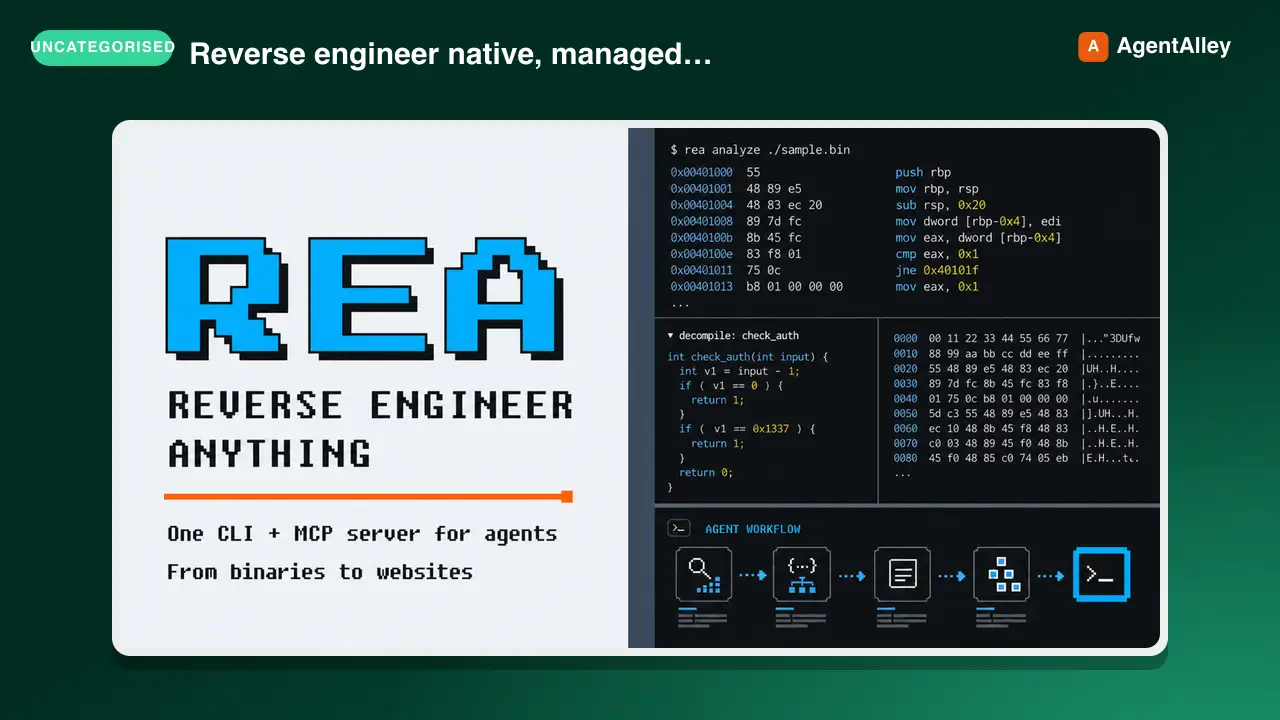 SkillCross-Platform Reverse Engineer
 morluto/rea · by morlutoReverse engineer native, managed, Electron/JavaScript, packaged, firmware, and browser targets with REA. Use shipped-artifact or requested runtime evidence to explain features, compare versions, decompile code, or guide a reconstruction. Skip REA for ordinary source-repository architecture analysis.★ 316k GitHub stars
 SkillBrainstorm Ideas
 obra/superpowers · by obraYou MUST use this before any creative work - creating features, building components, adding functionality, or modifying behavior. Explores user intent, requirements and design before implementation.★ 290k GitHub stars
 SkillCode Review Feedback Analyzerobra/superpowers · by obraUse when receiving code review feedback, before implementing suggestions, especially if feedback seems unclear or technically questionable - requires technical rigor and verification, not performative agreement or blind implementation★ 290k GitHub stars
 SkillBug Diagnosis Framework
 mattpocock/skills · by mattpocockDiagnosis loop for hard bugs and performance regressions. Use when the user says "diagnose"/"debug this", or reports something broken/throwing/failing/slow.★ 267k GitHub stars
 SkillImplement Specmattpocock/skills · by mattpocockImplement the result of /to-spec and /to-tickets in code.★ 267k GitHub stars
 SkillPR Description Writermattpocock/skills · by mattpocockUse when writing a PR body.★ 267k GitHub stars
More from wondelai
 SkillSoftware Design Philosophy
 wondelai/skills · by wondelaiManage software complexity through deep modules, information hiding, and strategic programming. Use when the user mentions "module design", "API too complex", "shallow class", "complexity budget", "strategic vs tactical", "deep module", "information leakage", "pass-through method", "this code is over-engineered", or "simplify this design". Also trigger when reviewing an interface for simplicity, evaluating whether an abstraction is pulling its weight, deciding whether a comment is worth writing, or choosing between general-purpose and special-purpose approaches. Covers deep vs shallow modules, red flags for complexity, and comments as design documentation. For code quality, see clean-code. For architecture boundaries, see clean-architecture.★ 2.2k GitHub stars
 SkillActionable Metrics Guidewondelai/skills · by wondelaiMetrics are the language of validated learning. The wrong metrics create the illusion of progress while the startup drifts toward failure.…★ 2.2k GitHub stars
 SkillAdvertising Mediawondelai/skills · by wondelaiAdvertising media is the vehicle that carries your message to your target market. Choosing the right media is not about what is trendy — it…★ 2.2k GitHub stars
 SkillAffordance Designwondelai/skills · by wondelaiAn affordance is a relationship between an object and a person that determines how the object could possibly be used. A chair affords…★ 2.2k GitHub stars
 SkillLean UX in Agile Teamswondelai/skills · by wondelaiLean UX was designed to work inside Agile development teams, not alongside them. The central mechanism is dual-track agile, where a…★ 2.2k GitHub stars
 SkillAMP Framework Practitionerwondelai/skills · by wondelaiThis reference translates the AMP framework from theory into practice across six domains: product gamification, team management,…★ 2.2k GitHub stars