Motivation Design Framework
Motivation waves
Motivation is the most misunderstood element in behavior design.
# Motivation Waves

Motivation is the most misunderstood element in behavior design. It is powerful but unreliable — it comes in waves, and products that depend on motivation peaks fail when the wave inevitably recedes.

## The Three Core Motivators

BJ Fogg identifies three core motivators, each with two sides:

### 1. Sensation (Pleasure / Pain)

**What it is:** The immediate physical or emotional experience. Pleasure pulls toward behavior; pain pushes away.

**Product examples:**
- Pleasure: Beautiful UI, satisfying animations, dopamine from social validation
- Pain: Annoying notifications, frustrating errors, slow load times

**Design implications:**
- Make the product pleasant to use (sensory reward)
Overview
Motivation is the most misunderstood element in behavior design. It is powerful but unreliable — it comes in waves, and products that depend on motivation peaks fail when the wave inevitably recedes.
Manual install (npx, ZIP)
npx skills add wondelai/skills --skill motivation-waves -g -a claude-codeConnects with Agent Alley MCP · agentalley.io/mcp
Files included
motivation-waves.md8.5 KB
Read motivation-waves.md here
wondelai/
Show the full text200 lines
Motivation Waves
Motivation is the most misunderstood element in behavior design. It is powerful but unreliable — it comes in waves, and products that depend on motivation peaks fail when the wave inevitably recedes.
The Three Core Motivators
BJ Fogg identifies three core motivators, each with two sides:
1. Sensation (Pleasure / Pain)
What it is: The immediate physical or emotional experience. Pleasure pulls toward behavior; pain pushes away.
Product examples:
- Pleasure: Beautiful UI, satisfying animations, dopamine from social validation
- Pain: Annoying notifications, frustrating errors, slow load times
Design implications:
- Make the product pleasant to use (sensory reward)
- Remove painful friction points
- But don't rely on pleasure alone — novelty wears off
- Sensation is the fastest motivator but the shortest-lasting
2. Anticipation (Hope / Fear)
What it is: The expectation of future outcomes. Hope pulls toward behavior (I'll get a promotion if I learn this); fear pushes toward behavior (I'll lose my job if I don't use this).
Product examples:
- Hope: "See your progress in real-time" (anticipation of achievement)
- Fear: "Your trial expires in 3 days" (anticipation of loss)
Design implications:
- Hope is more sustainable than fear for building habits
- Fear is powerful for one-time behaviors (upgrades, completions) but corrosive for habits
- Show users their potential future state (before/after, progress projections)
- Be careful with fear — overuse damages trust and creates anxiety
3. Belonging (Acceptance / Rejection)
What it is: The desire to be part of a group and the fear of being excluded. Social motivation.
Product examples:
- Acceptance: "Join 50,000 teams using this tool" (belonging)
- Rejection: "Your team is ahead of you" (social pressure)
Design implications:
- Social proof is one of the most reliable motivation boosters
- Showing teammates already using the product reduces social deviance (Ability Chain)
- Community features create belonging
- Be careful with rejection/comparison — it can demotivate rather than motivate
Motivation Waves
Motivation is not stable. It fluctuates in predictable patterns:
Motivation
    ↑
    │    ★ Peak
    │   / \
    │  /   \
    │ /     \        ★ Smaller peak
    │/       \      / \
    │         \    /   \
    │          \  /     \___________
    │           \/        Trough
    │
    └──────────────────────────────→ Time
    Day 1   Day 7   Day 14   Day 30
The Motivation Timeline
| Phase | Timeframe | Motivation Level | What Happens |
|---|---|---|---|
| Honeymoon | Day 1-3 | Very high | New user excitement, novelty, social pressure from signup |
| First dip | Day 4-7 | Dropping | Novelty wears off, reality of effort sets in |
| Recommitment | Day 7-14 | Moderate spike | External trigger (weekly email) or social event sparks return |
| Trough | Day 14-30 | Low | This is where most users churn. Motivation alone won't sustain them |
| Plateau | Day 30+ | Stable-low | If habit formed, behavior continues without motivation. If not, user is gone |
Why This Matters for Product Design
The critical insight: Most products are designed for the honeymoon phase. Onboarding assumes high motivation. Features assume engaged users. Prompts assume people want to hear from you.
The trough (Day 14-30) is where retention is won or lost. Products that survive the trough do so because:
- Core behaviors are easy enough to do without motivation (Ability)
- Prompts are well-timed and event-based (not spam)
- Tiny habits have started to wire
- The product delivers value even at minimal engagement
Designing for the Trough
The Trough Survival Checklist
| Question | If No | Action |
|---|---|---|
| Can users get value in under 30 seconds? | Core action is too hard for low motivation | Shrink to Starter Step |
| Does the product work with minimal engagement? | All-or-nothing design loses trough users | Create value at every engagement level |
| Are prompts event-based, not schedule-based? | Schedule-based prompts feel like spam at the trough | Switch to event-based triggers |
| Is there a tiny habit recipe for the core behavior? | No habit formation path | Design anchor → tiny behavior → celebration |
| Does the product show accumulated value? | Users forget what they'd lose by leaving | Surface history, progress, data investment |
Trough-Resistant Product Patterns
1. The Value Buffer Build up value during the honeymoon that pays off during the trough.
- User configures preferences during honeymoon → better recommendations during trough
- User enters data during honeymoon → accumulated reports during trough
- User builds connections during honeymoon → social content during trough
2. The Gravity Well Create increasing switching costs so leaving becomes harder over time.
- Data that only exists in your product
- Integrations with other tools
- Team dependencies
- Customization and personalization
3. The Minimum Viable Engagement Define the tiniest engagement that still delivers value:
- "Just open the app" → see your status
- "Glance at the email" → one key metric in the subject line
- "Check the badge count" → know if anything needs attention
Motivation Boosters
When you do need to increase motivation (for hard behaviors or critical moments), use these strategically:
Effective Motivation Boosters
| Booster | Motivator | When to Use | Example |
|---|---|---|---|
| Social proof | Belonging | Signup, adoption | "50,000 teams trust us" |
| Loss aversion | Anticipation (fear) | Trial ending, churn risk | "Don't lose your 30-day history" |
| Progress visualization | Anticipation (hope) | Mid-journey, recommitment | "You're 60% to your goal" |
| Peer activity | Belonging | Re-engagement | "3 teammates shared updates today" |
| Success stories | Anticipation (hope) | Onboarding, feature adoption | "Teams like yours saved 4 hours/week" |
| Streak tracking | Anticipation (fear of loss) | Habit building | "Keep your 7-day streak going" |
Motivation Booster Timing
Use boosters at predictable motivation dips:
| Timing | Dip | Booster |
|---|---|---|
| Day 3-5 | Novelty wearing off | Progress visualization + social proof |
| Day 7 | First week end | Achievement milestone + peer comparison |
| Day 14-21 | Deep trough | Success story + loss aversion (data) |
| Day 30 | Make-or-break point | Accumulated value summary + belonging |
Why Motivation-First Strategies Fail
The Motivation Trap
Many products and product teams default to motivation-first thinking:
- "We need more inspiring onboarding"
- "Let's add gamification to boost engagement"
- "We need better copy to motivate users"
This fails because:
- Motivation is temporary. No matter how inspiring your copy, motivation fades.
- Motivation is contextual. What motivates at 9am fails at 4pm.
- Motivation is personal. What works for one user fails for another.
- Motivation doesn't compound. Each boost starts from zero.
The Ability-First Alternative
| Motivation-First | Ability-First |
|---|---|
| Inspiring onboarding video | One-click first action |
| Gamification points system | Simpler core workflow |
| Motivational push notifications | Event-based prompts at high-ability moments |
| Aspirational copy | Clear, specific copy that reduces confusion |
| Social pressure to engage more | Social proof that reduces social deviance |
Rule of thumb: If you're trying to increase motivation, first ask: "Can I make the behavior easier instead?"
Motivation and the Ability Chain
Motivation and ability interact on the Fogg Behavior Model:
| Scenario | Motivation | Ability | What Happens |
|---|---|---|---|
| New user, day 1 | High (honeymoon) | Low (unfamiliar) | Works temporarily — but trough will come |
| New user, day 14 | Low (trough) | Low (still unfamiliar) | Churn — below the Action Line |
| Trained user, day 30 | Low (stable) | High (practiced) | Habit — ability compensates for low motivation |
| Power user | Variable | Very high | Automatic behavior — above the line regardless |
The path to retention: Move users from top-left (high motivation, low ability) to bottom-right (low motivation, high ability) before the motivation wave crashes.
| 1 | # Motivation Waves |
| 2 | |
| 3 | Motivation is the most misunderstood element in behavior design. It is powerful but unreliable — it comes in waves, and products that depend on motivation peaks fail when the wave inevitably recedes. |
| 4 | |
| 5 | ## The Three Core Motivators |
| 6 | |
| 7 | BJ Fogg identifies three core motivators, each with two sides: |
| 8 | |
| 9 | ### 1. Sensation (Pleasure / Pain) |
| 10 | |
| 11 | **What it is:** The immediate physical or emotional experience. Pleasure pulls toward behavior; pain pushes away. |
| 12 | |
| 13 | **Product examples:** |
| 14 | Pleasure: Beautiful UI, satisfying animations, dopamine from social validation |
| 15 | Pain: Annoying notifications, frustrating errors, slow load times |
| 16 | |
| 17 | **Design implications:** |
| 18 | Make the product pleasant to use (sensory reward) |
| 19 | Remove painful friction points |
| 20 | But don't rely on pleasure alone — novelty wears off |
| 21 | Sensation is the fastest motivator but the shortest-lasting |
| 22 | |
| 23 | ### 2. Anticipation (Hope / Fear) |
| 24 | |
| 25 | **What it is:** The expectation of future outcomes. Hope pulls toward behavior (I'll get a promotion if I learn this); fear pushes toward behavior (I'll lose my job if I don't use this). |
| 26 | |
| 27 | **Product examples:** |
| 28 | Hope: "See your progress in real-time" (anticipation of achievement) |
| 29 | Fear: "Your trial expires in 3 days" (anticipation of loss) |
| 30 | |
| 31 | **Design implications:** |
| 32 | Hope is more sustainable than fear for building habits |
| 33 | Fear is powerful for one-time behaviors (upgrades, completions) but corrosive for habits |
| 34 | Show users their potential future state (before/after, progress projections) |
| 35 | Be careful with fear — overuse damages trust and creates anxiety |
| 36 | |
| 37 | ### 3. Belonging (Acceptance / Rejection) |
| 38 | |
| 39 | **What it is:** The desire to be part of a group and the fear of being excluded. Social motivation. |
| 40 | |
| 41 | **Product examples:** |
| 42 | Acceptance: "Join 50,000 teams using this tool" (belonging) |
| 43 | Rejection: "Your team is ahead of you" (social pressure) |
| 44 | |
| 45 | **Design implications:** |
| 46 | Social proof is one of the most reliable motivation boosters |
| 47 | Showing teammates already using the product reduces social deviance (Ability Chain) |
| 48 | Community features create belonging |
| 49 | Be careful with rejection/comparison — it can demotivate rather than motivate |
| 50 | |
| 51 | |
| 52 | |
| 53 | ## Motivation Waves |
| 54 | |
| 55 | Motivation is not stable. It fluctuates in predictable patterns: |
| 56 | |
| 57 | |
| 58 | Motivation |
| 59 | ↑ |
| 60 | │ ★ Peak |
| 61 | │ / \ |
| 62 | │ / \ |
| 63 | │ / \ ★ Smaller peak |
| 64 | │/ \ / \ |
| 65 | │ \ / \ |
| 66 | │ \ / \___________ |
| 67 | │ \/ Trough |
| 68 | │ |
| 69 | └──────────────────────────────→ Time |
| 70 | Day 1 Day 7 Day 14 Day 30 |
| 71 | |
| 72 | |
| 73 | ### The Motivation Timeline |
| 74 | |
| 75 | | Phase | Timeframe | Motivation Level | What Happens | |
| 76 | |-------|-----------|-----------------|--------------| |
| 77 | | **Honeymoon** | Day 1-3 | Very high | New user excitement, novelty, social pressure from signup | |
| 78 | | **First dip** | Day 4-7 | Dropping | Novelty wears off, reality of effort sets in | |
| 79 | | **Recommitment** | Day 7-14 | Moderate spike | External trigger (weekly email) or social event sparks return | |
| 80 | | **Trough** | Day 14-30 | Low | This is where most users churn. Motivation alone won't sustain them | |
| 81 | | **Plateau** | Day 30+ | Stable-low | If habit formed, behavior continues without motivation. If not, user is gone | |
| 82 | |
| 83 | ### Why This Matters for Product Design |
| 84 | |
| 85 | The critical insight: **Most products are designed for the honeymoon phase.** Onboarding assumes high motivation. Features assume engaged users. Prompts assume people want to hear from you. |
| 86 | |
| 87 | The trough (Day 14-30) is where retention is won or lost. Products that survive the trough do so because: |
| 88 | Core behaviors are easy enough to do without motivation (Ability) |
| 89 | Prompts are well-timed and event-based (not spam) |
| 90 | Tiny habits have started to wire |
| 91 | The product delivers value even at minimal engagement |
| 92 | |
| 93 | |
| 94 | |
| 95 | ## Designing for the Trough |
| 96 | |
| 97 | ### The Trough Survival Checklist |
| 98 | |
| 99 | | Question | If No | Action | |
| 100 | |----------|-------|--------| |
| 101 | | Can users get value in under 30 seconds? | Core action is too hard for low motivation | Shrink to Starter Step | |
| 102 | | Does the product work with minimal engagement? | All-or-nothing design loses trough users | Create value at every engagement level | |
| 103 | | Are prompts event-based, not schedule-based? | Schedule-based prompts feel like spam at the trough | Switch to event-based triggers | |
| 104 | | Is there a tiny habit recipe for the core behavior? | No habit formation path | Design anchor → tiny behavior → celebration | |
| 105 | | Does the product show accumulated value? | Users forget what they'd lose by leaving | Surface history, progress, data investment | |
| 106 | |
| 107 | ### Trough-Resistant Product Patterns |
| 108 | |
| 109 | **1. The Value Buffer** |
| 110 | Build up value during the honeymoon that pays off during the trough. |
| 111 | User configures preferences during honeymoon → better recommendations during trough |
| 112 | User enters data during honeymoon → accumulated reports during trough |
| 113 | User builds connections during honeymoon → social content during trough |
| 114 | |
| 115 | **2. The Gravity Well** |
| 116 | Create increasing switching costs so leaving becomes harder over time. |
| 117 | Data that only exists in your product |
| 118 | Integrations with other tools |
| 119 | Team dependencies |
| 120 | Customization and personalization |
| 121 | |
| 122 | **3. The Minimum Viable Engagement** |
| 123 | Define the tiniest engagement that still delivers value: |
| 124 | "Just open the app" → see your status |
| 125 | "Glance at the email" → one key metric in the subject line |
| 126 | "Check the badge count" → know if anything needs attention |
| 127 | |
| 128 | |
| 129 | |
| 130 | ## Motivation Boosters |
| 131 | |
| 132 | When you do need to increase motivation (for hard behaviors or critical moments), use these strategically: |
| 133 | |
| 134 | ### Effective Motivation Boosters |
| 135 | |
| 136 | | Booster | Motivator | When to Use | Example | |
| 137 | |---------|-----------|-------------|---------| |
| 138 | | **Social proof** | Belonging | Signup, adoption | "50,000 teams trust us" | |
| 139 | | **Loss aversion** | Anticipation (fear) | Trial ending, churn risk | "Don't lose your 30-day history" | |
| 140 | | **Progress visualization** | Anticipation (hope) | Mid-journey, recommitment | "You're 60% to your goal" | |
| 141 | | **Peer activity** | Belonging | Re-engagement | "3 teammates shared updates today" | |
| 142 | | **Success stories** | Anticipation (hope) | Onboarding, feature adoption | "Teams like yours saved 4 hours/week" | |
| 143 | | **Streak tracking** | Anticipation (fear of loss) | Habit building | "Keep your 7-day streak going" | |
| 144 | |
| 145 | ### Motivation Booster Timing |
| 146 | |
| 147 | Use boosters at predictable motivation dips: |
| 148 | |
| 149 | | Timing | Dip | Booster | |
| 150 | |--------|-----|---------| |
| 151 | | Day 3-5 | Novelty wearing off | Progress visualization + social proof | |
| 152 | | Day 7 | First week end | Achievement milestone + peer comparison | |
| 153 | | Day 14-21 | Deep trough | Success story + loss aversion (data) | |
| 154 | | Day 30 | Make-or-break point | Accumulated value summary + belonging | |
| 155 | |
| 156 | |
| 157 | |
| 158 | ## Why Motivation-First Strategies Fail |
| 159 | |
| 160 | ### The Motivation Trap |
| 161 | |
| 162 | Many products and product teams default to motivation-first thinking: |
| 163 | "We need more inspiring onboarding" |
| 164 | "Let's add gamification to boost engagement" |
| 165 | "We need better copy to motivate users" |
| 166 | |
| 167 | This fails because: |
| 168 | |
| 169 | **Motivation is temporary.** No matter how inspiring your copy, motivation fades. |
| 170 | **Motivation is contextual.** What motivates at 9am fails at 4pm. |
| 171 | **Motivation is personal.** What works for one user fails for another. |
| 172 | **Motivation doesn't compound.** Each boost starts from zero. |
| 173 | |
| 174 | ### The Ability-First Alternative |
| 175 | |
| 176 | | Motivation-First | Ability-First | |
| 177 | |-----------------|---------------| |
| 178 | | Inspiring onboarding video | One-click first action | |
| 179 | | Gamification points system | Simpler core workflow | |
| 180 | | Motivational push notifications | Event-based prompts at high-ability moments | |
| 181 | | Aspirational copy | Clear, specific copy that reduces confusion | |
| 182 | | Social pressure to engage more | Social proof that reduces social deviance | |
| 183 | |
| 184 | **Rule of thumb:** If you're trying to increase motivation, first ask: "Can I make the behavior easier instead?" |
| 185 | |
| 186 | |
| 187 | |
| 188 | ## Motivation and the Ability Chain |
| 189 | |
| 190 | Motivation and ability interact on the Fogg Behavior Model: |
| 191 | |
| 192 | | Scenario | Motivation | Ability | What Happens | |
| 193 | |----------|-----------|---------|--------------| |
| 194 | | New user, day 1 | High (honeymoon) | Low (unfamiliar) | Works temporarily — but trough will come | |
| 195 | | New user, day 14 | Low (trough) | Low (still unfamiliar) | **Churn** — below the Action Line | |
| 196 | | Trained user, day 30 | Low (stable) | High (practiced) | **Habit** — ability compensates for low motivation | |
| 197 | | Power user | Variable | Very high | Automatic behavior — above the line regardless | |
| 198 | |
| 199 | The path to retention: **Move users from top-left (high motivation, low ability) to bottom-right (low motivation, high ability) before the motivation wave crashes.** |
| 200 |
Details
- Updated
- Sep 10, 2026
- License
- MIT
- Stars on the repo
- ★ 2,235
- Checked
- Source
- wondelai/skills ↗
- Creator
- wondelai · 319 listings
Similar skills
See all →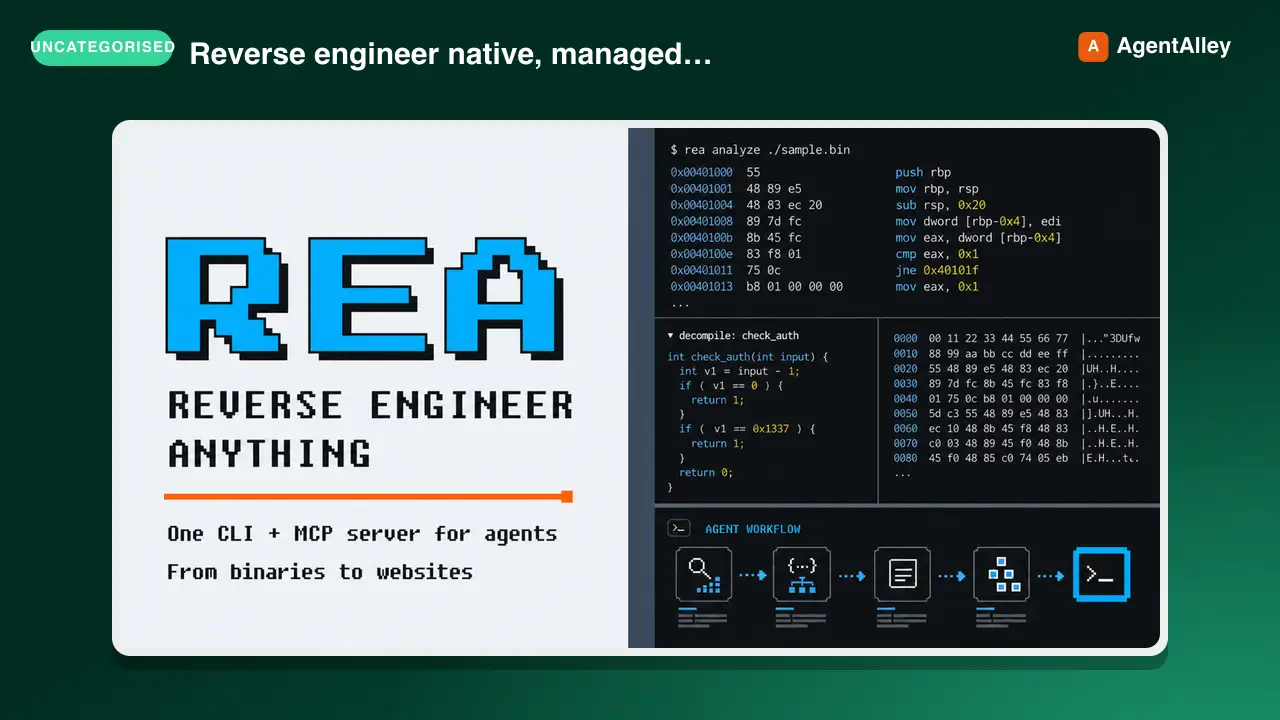 SkillCross-Platform Reverse Engineer
 morluto/rea · by morlutoReverse engineer native, managed, Electron/JavaScript, packaged, firmware, and browser targets with REA. Use shipped-artifact or requested runtime evidence to explain features, compare versions, decompile code, or guide a reconstruction. Skip REA for ordinary source-repository architecture analysis.★ 316k GitHub stars
 SkillBrainstorm Ideas
 obra/superpowers · by obraYou MUST use this before any creative work - creating features, building components, adding functionality, or modifying behavior. Explores user intent, requirements and design before implementation.★ 290k GitHub stars
 SkillCode Review Feedback Analyzerobra/superpowers · by obraUse when receiving code review feedback, before implementing suggestions, especially if feedback seems unclear or technically questionable - requires technical rigor and verification, not performative agreement or blind implementation★ 290k GitHub stars
 SkillBug Diagnosis Framework
 mattpocock/skills · by mattpocockDiagnosis loop for hard bugs and performance regressions. Use when the user says "diagnose"/"debug this", or reports something broken/throwing/failing/slow.★ 267k GitHub stars
 SkillImplement Specmattpocock/skills · by mattpocockImplement the result of /to-spec and /to-tickets in code.★ 267k GitHub stars
 SkillPR Description Writermattpocock/skills · by mattpocockUse when writing a PR body.★ 267k GitHub stars
More from wondelai
 SkillSoftware Design Philosophy
 wondelai/skills · by wondelaiManage software complexity through deep modules, information hiding, and strategic programming. Use when the user mentions "module design", "API too complex", "shallow class", "complexity budget", "strategic vs tactical", "deep module", "information leakage", "pass-through method", "this code is over-engineered", or "simplify this design". Also trigger when reviewing an interface for simplicity, evaluating whether an abstraction is pulling its weight, deciding whether a comment is worth writing, or choosing between general-purpose and special-purpose approaches. Covers deep vs shallow modules, red flags for complexity, and comments as design documentation. For code quality, see clean-code. For architecture boundaries, see clean-architecture.★ 2.2k GitHub stars
 SkillActionable Metrics Guidewondelai/skills · by wondelaiMetrics are the language of validated learning. The wrong metrics create the illusion of progress while the startup drifts toward failure.…★ 2.2k GitHub stars
 SkillAdvertising Mediawondelai/skills · by wondelaiAdvertising media is the vehicle that carries your message to your target market. Choosing the right media is not about what is trendy — it…★ 2.2k GitHub stars
 SkillAffordance Designwondelai/skills · by wondelaiAn affordance is a relationship between an object and a person that determines how the object could possibly be used. A chair affords…★ 2.2k GitHub stars
 SkillLean UX in Agile Teamswondelai/skills · by wondelaiLean UX was designed to work inside Agile development teams, not alongside them. The central mechanism is dual-track agile, where a…★ 2.2k GitHub stars
 SkillAMP Framework Practitionerwondelai/skills · by wondelaiThis reference translates the AMP framework from theory into practice across six domains: product gamification, team management,…★ 2.2k GitHub stars