Meeting Cost & Agenda Planner
Meetings — Cost Gate → Timeboxed Agenda → Owned Actions
Use when someone wants to decide whether a meeting is worth calling, price a meeting in dollars, build a timeboxed agenda with desired outcomes, or turn messy meeting notes into owned action items — or says "should this be a meeting",…
---
name: meetings
description: Use when someone wants to decide whether a meeting is worth calling, price a meeting in dollars, build a timeboxed agenda with desired outcomes, or turn messy meeting notes into owned action items — or says "should this be a meeting", "/cs:meeting-prep", or "/cs:meeting-actions". Runs a cost gate (ASYNC / NOT-READY / MEET), builds a decision-first agenda, and extracts an owner + due-date checklist that flags every orphan.
argument-hint: "[the meeting to gate, or the notes to extract actions from]"
license: MIT
metadata:
  version: 1.0.0
  build_pattern: "Path-B discipline skill — Rogelberg/HBR meeting-science canon + deterministic gate/agenda/extraction scripts"
  distinct_from: "project-management (team ceremonies + Jira delivery flow; this is personal meeting hygiene); business-operations/internal-comms (org-level communication design; this never auto-sends); productivity/capture (private brain-dump triage; this parses shared meeting notes)"
---

# Meetings — Cost Gate → Timeboxed Agenda → Owned Actions

> **Portability:** Reasoning-led skill with 3 stdlib Python scripts. No external APIs, no LLM calls
> in scripts, nothing auto-sent. The scripts fix the discipline; the user runs the meeting.

## What this does
Overview
Most meetings should be an email. This skill makes that testable: it prices a meeting in real dollars, refuses to let it exist without a decision + agenda + owner, builds a timeboxed decision-first agenda for the survivors, and afterwards turns raw notes into an owner + due-date checklist that flags every orphan. An ASYNC verdict is a win, not a failure.
Manual install (npx, ZIP)
npx skills add alirezarezvani/claude-skills --skill meetings -g -a claude-codenpx degit alirezarezvani/claude-skills/productivity/meetings/skills/meetings#main ~/.claude/skills/meetingsConnects with Agent Alley MCP · agentalley.io/mcp
Files included
SKILL.md5.9 KB
Read SKILL.md here
Show the full text98 lines
Meetings — Cost Gate → Timeboxed Agenda → Owned Actions
Portability: Reasoning-led skill with 3 stdlib Python scripts. No external APIs, no LLM calls in scripts, nothing auto-sent. The scripts fix the discipline; the user runs the meeting.
What this does
Most meetings should be an email. This skill makes that testable: it prices a meeting in real dollars, refuses to let it exist without a decision + agenda + owner, builds a timeboxed decision-first agenda for the survivors, and afterwards turns raw notes into an owner + due-date checklist that flags every orphan. An ASYNC verdict is a win, not a failure.
Workflow — gate → agenda → run → extract
1. Gate. Before starting, ask one clarifying question if the decision to be made is unstated — the gate cannot run honestly without it. Then price it and apply the three checks. No decision → ASYNC (exit 2): draft a memo instead, stop here. Decision but missing agenda/owner → NOT-READY (exit 3), naming the gap. All present → MEET (exit 0) with total cost and a cost-per-minute line.
2. Agenda. Only for MEET. Every topic needs a desired outcome — empty outcomes are refused by
name (exit 2). Decision topics (decide/choose/approve) sort before discuss/inform. Timeboxes plus
the mandatory 5-minute closing "actions recap" slot must fit --length, or the overflow is refused
with the exact overage (exit 3). Iterate — trim or split the named topic and re-run until it fits;
the stop condition is exit 0 (or the meeting goes async). Output includes a pre-read line.
3. Run. The user runs the meeting from the printed agenda. Hold the timeboxes; use the closing slot to read every action aloud with its owner and date.
4. Extract. Feed the raw notes to the extractor: checkboxes, ACTION:/TODO: lines,
"@name will …" and "Name will … by date" patterns become a checklist grouped by owner, with
ORPHAN (no owner) and NO-DUE flags plus summary counts. Assign every orphan before posting — the
meeting is done when every action has an owner and a date; that completion check closes the loop.
# 1. Gate: should this meeting exist?
python scripts/meeting_cost_calculator.py --attendees 6 --minutes 60 \
  --avg-rate 90 --include-refocus --has-decision --has-agenda --has-owner

# 2. Agenda: timeboxed, decision-first, outcomes mandatory
python scripts/agenda_builder.py --length 45 \
  --topic "Q3 pricing:Decide usage-based vs seat-based:15:maria" \
  --topic "Launch risks:Discuss open launch blockers:15:sam"

# 4. Extract: raw notes -> owner + due-date checklist with ORPHAN/NO-DUE flags
python scripts/action_item_extractor.py --input notes.md
Scripts
| Script | Role |
|---|---|
scripts/meeting_cost_calculator.py |
Dollars (attendees × minutes × rate, optional 23-min refocus overhead per attendee) + decision/agenda/owner gate → ASYNC / NOT-READY / MEET. |
scripts/agenda_builder.py |
Timeboxed decision-first agenda; refuses empty outcomes and overflow; enforces pre-read line + 5-min closing actions-recap slot. |
scripts/action_item_extractor.py |
Raw notes → owner-grouped markdown checklist with due dates, ORPHAN/NO-DUE flags, and summary counts. |
References
references/meeting_cost_canon.md— the real cost of meetings and the should-this-exist gate (7 sources)references/agenda_discipline.md— agendas as questions, timeboxing, decision-first ordering, pre-reads (7 sources)references/action_item_discipline.md— why meetings without owned actions are theater (6 sources)
Assets
assets/example_agenda.md— a full worked timeboxed agenda (gate verdict → ordered topics → closing recap)assets/meeting_gate_worksheet.md— fillable should-this-be-a-meeting worksheet
Rules
- Gate before agenda. Never build an agenda for a meeting that hasn't passed the gate.
- No decision, no meeting. Status updates go async, every time.
- No desired outcome, no agenda slot. The builder refuses; go get the outcome.
- Every action item has an owner and a date — or it is not an action item. Flag, never drop.
- Never auto-send. No invites, no emails, no messages. Output is text the user sends.
Distinct From (don't reach for the wrong skill)
project-management/— team ceremonies, sprint cadence, Jira delivery flow. This gates one meeting at a time for the person calling it.business-operations/internal-comms— org-level communication design. This never designs a comms program and never sends anything.productivity/capture— triages a private brain-dump. This parses a shared meeting's notes.
Version: 1.0.0 Build pattern: Path-B discipline skill — meeting-science canon preserved + deterministic gate/agenda/extraction scripts added.
| 1 | |
| 2 | name meetings |
| 3 | description Use when someone wants to decide whether a meeting is worth calling, price a meeting in dollars, build a timeboxed agenda with desired outcomes, or turn messy meeting notes into owned action items — or says "should this be a meeting", "/cs:meeting-prep", or "/cs:meeting-actions". Runs a cost gate (ASYNC / NOT-READY / MEET), builds a decision-first agenda, and extracts an owner + due-date checklist that flags every orphan. |
| 4 | argument-hint "[the meeting to gate, or the notes to extract actions from]" |
| 5 | license MIT |
| 6 | metadata |
| 7 | version 1.0.0 |
| 8 | build_pattern "Path-B discipline skill — Rogelberg/HBR meeting-science canon + deterministic gate/agenda/extraction scripts" |
| 9 | distinct_from "project-management (team ceremonies + Jira delivery flow; this is personal meeting hygiene); business-operations/internal-comms (org-level communication design; this never auto-sends); productivity/capture (private brain-dump triage; this parses shared meeting notes)" |
| 10 | |
| 11 | |
| 12 | # Meetings — Cost Gate → Timeboxed Agenda → Owned Actions |
| 13 | |
| 14 | > **Portability:** Reasoning-led skill with 3 stdlib Python scripts. No external APIs, no LLM calls |
| 15 | > in scripts, nothing auto-sent. The scripts fix the discipline; the user runs the meeting. |
| 16 | |
| 17 | ## What this does |
| 18 | |
| 19 | Most meetings should be an email. This skill makes that testable: it prices a meeting in real |
| 20 | dollars, refuses to let it exist without a decision + agenda + owner, builds a timeboxed |
| 21 | decision-first agenda for the survivors, and afterwards turns raw notes into an owner + due-date |
| 22 | checklist that flags every orphan. An ASYNC verdict is a win, not a failure. |
| 23 | |
| 24 | ## Workflow — gate → agenda → run → extract |
| 25 | |
| 26 | **1. Gate.** Before starting, ask one clarifying question if the decision to be made is unstated — |
| 27 | the gate cannot run honestly without it. Then price it and apply the three checks. No decision → ASYNC (exit 2): draft a memo |
| 28 | instead, stop here. Decision but missing agenda/owner → NOT-READY (exit 3), naming the gap. |
| 29 | All present → MEET (exit 0) with total cost and a cost-per-minute line. |
| 30 | |
| 31 | **2. Agenda.** Only for MEET. Every topic needs a desired outcome — empty outcomes are refused by |
| 32 | name (exit 2). Decision topics (decide/choose/approve) sort before discuss/inform. Timeboxes plus |
| 33 | the mandatory 5-minute closing "actions recap" slot must fit `--length`, or the overflow is refused |
| 34 | with the exact overage (exit 3). Iterate — trim or split the named topic and re-run until it fits; |
| 35 | the stop condition is exit 0 (or the meeting goes async). Output includes a pre-read line. |
| 36 | |
| 37 | **3. Run.** The user runs the meeting from the printed agenda. Hold the timeboxes; use the closing |
| 38 | slot to read every action aloud with its owner and date. |
| 39 | |
| 40 | **4. Extract.** Feed the raw notes to the extractor: checkboxes, `ACTION:`/`TODO:` lines, |
| 41 | "@name will …" and "Name will … by date" patterns become a checklist grouped by owner, with |
| 42 | ORPHAN (no owner) and NO-DUE flags plus summary counts. Assign every orphan before posting — the |
| 43 | meeting is done when every action has an owner and a date; that completion check closes the loop. |
| 44 | |
| 45 | |
| 46 | # 1. Gate: should this meeting exist? |
| 47 | python scripts/meeting_cost_calculator.py --attendees 6 --minutes 60 \ |
| 48 | --avg-rate 90 --include-refocus --has-decision --has-agenda --has-owner |
| 49 | |
| 50 | # 2. Agenda: timeboxed, decision-first, outcomes mandatory |
| 51 | python scripts/agenda_builder.py --length 45 \ |
| 52 | --topic "Q3 pricing:Decide usage-based vs seat-based:15:maria" \ |
| 53 | --topic "Launch risks:Discuss open launch blockers:15:sam" |
| 54 | |
| 55 | # 4. Extract: raw notes -> owner + due-date checklist with ORPHAN/NO-DUE flags |
| 56 | python scripts/action_item_extractor.py --input notes.md |
| 57 | |
| 58 | |
| 59 | ## Scripts |
| 60 | |
| 61 | | Script | Role | |
| 62 | |---|---| |
| 63 | | `scripts/meeting_cost_calculator.py` | Dollars (attendees × minutes × rate, optional 23-min refocus overhead per attendee) + decision/agenda/owner gate → ASYNC / NOT-READY / MEET. | |
| 64 | | `scripts/agenda_builder.py` | Timeboxed decision-first agenda; refuses empty outcomes and overflow; enforces pre-read line + 5-min closing actions-recap slot. | |
| 65 | | `scripts/action_item_extractor.py` | Raw notes → owner-grouped markdown checklist with due dates, ORPHAN/NO-DUE flags, and summary counts. | |
| 66 | |
| 67 | ## References |
| 68 | |
| 69 | [`references/meeting_cost_canon.md`] — the real cost of meetings and the should-this-exist gate (7 sources) |
| 70 | [`references/agenda_discipline.md`] — agendas as questions, timeboxing, decision-first ordering, pre-reads (7 sources) |
| 71 | [`references/action_item_discipline.md`] — why meetings without owned actions are theater (6 sources) |
| 72 | |
| 73 | ## Assets |
| 74 | |
| 75 | [`assets/example_agenda.md`] — a full worked timeboxed agenda (gate verdict → ordered topics → closing recap) |
| 76 | [`assets/meeting_gate_worksheet.md`] — fillable should-this-be-a-meeting worksheet |
| 77 | |
| 78 | ## Rules |
| 79 | |
| 80 | **Gate before agenda.** Never build an agenda for a meeting that hasn't passed the gate. |
| 81 | **No decision, no meeting.** Status updates go async, every time. |
| 82 | **No desired outcome, no agenda slot.** The builder refuses; go get the outcome. |
| 83 | **Every action item has an owner and a date — or it is not an action item.** Flag, never drop. |
| 84 | **Never auto-send.** No invites, no emails, no messages. Output is text the user sends. |
| 85 | |
| 86 | ## Distinct From (don't reach for the wrong skill) |
| 87 | |
| 88 | **`project-management/`** — team ceremonies, sprint cadence, Jira delivery flow. This gates one |
| 89 | meeting at a time for the person calling it. |
| 90 | **`business-operations/internal-comms`** — org-level communication design. This never designs a |
| 91 | comms program and never sends anything. |
| 92 | **`productivity/capture`** — triages a private brain-dump. This parses a shared meeting's notes. |
| 93 | |
| 94 | |
| 95 | |
| 96 | **Version:** 1.0.0 |
| 97 | **Build pattern:** Path-B discipline skill — meeting-science canon preserved + deterministic gate/agenda/extraction scripts added. |
| 98 |
Details
- Updated
- Aug 30, 2026
- License
- MIT
- Stars on the repo
- ★ 26,349
- Checked
- Source
- alirezarezvani/claude-skills ↗
- Creator
- alirezarezvani · 363 listings
Similar skills
See all →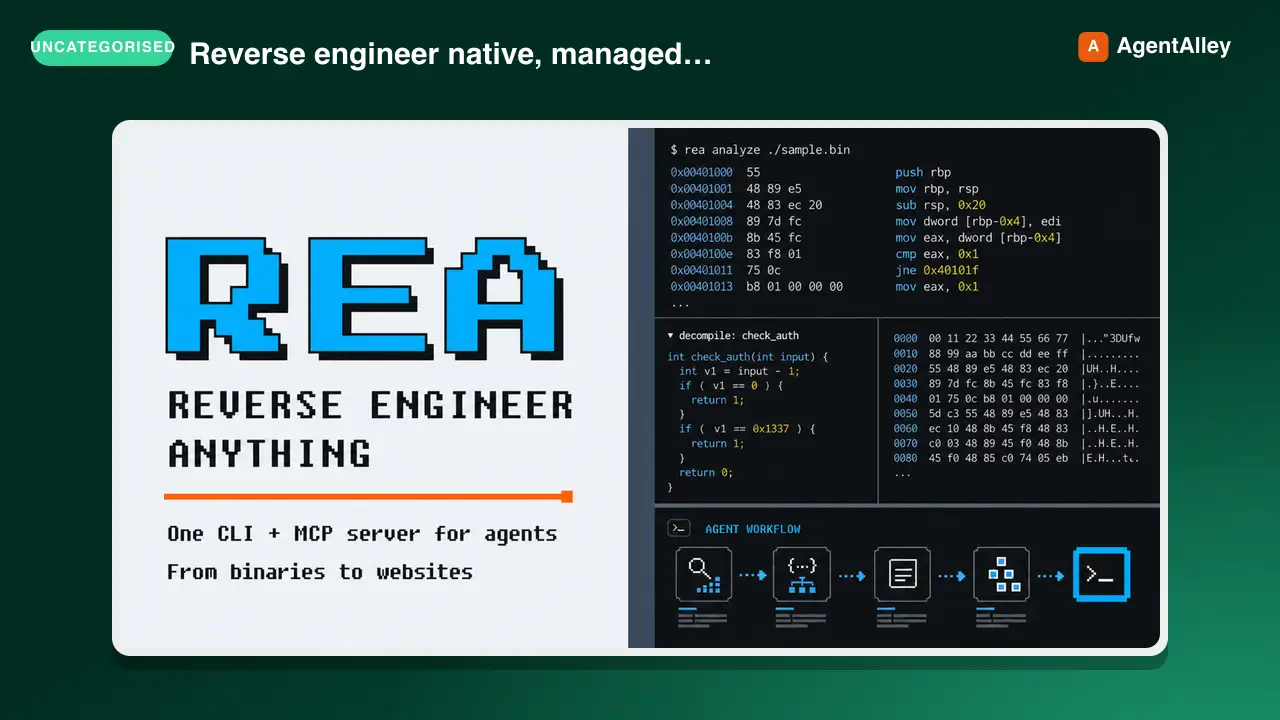 SkillCross-Platform Reverse Engineer
 morluto/rea · by morlutoReverse engineer native, managed, Electron/JavaScript, packaged, firmware, and browser targets with REA. Use shipped-artifact or requested runtime evidence to explain features, compare versions, decompile code, or guide a reconstruction. Skip REA for ordinary source-repository architecture analysis.★ 316k GitHub stars
 SkillBrainstorm Ideas
 obra/superpowers · by obraYou MUST use this before any creative work - creating features, building components, adding functionality, or modifying behavior. Explores user intent, requirements and design before implementation.★ 290k GitHub stars
 SkillCode Review Feedback Analyzerobra/superpowers · by obraUse when receiving code review feedback, before implementing suggestions, especially if feedback seems unclear or technically questionable - requires technical rigor and verification, not performative agreement or blind implementation★ 290k GitHub stars
 SkillBug Diagnosis Framework
 mattpocock/skills · by mattpocockDiagnosis loop for hard bugs and performance regressions. Use when the user says "diagnose"/"debug this", or reports something broken/throwing/failing/slow.★ 267k GitHub stars
 SkillImplement Specmattpocock/skills · by mattpocockImplement the result of /to-spec and /to-tickets in code.★ 267k GitHub stars
 SkillPR Description Writermattpocock/skills · by mattpocockUse when writing a PR body.★ 267k GitHub stars
More from alirezarezvani
 SkillExperiment Resume Tool
 alirezarezvani/claude-skills · by alirezarezvaniResume a paused experiment. Checkout the experiment branch, read results history, continue iterating. Use when the user runs /ar:ar-resume or asks to pick up a previously started autoresearch experiment.★ 26.3k GitHub stars
 SkillExperiment Dashboard Vieweralirezarezvani/claude-skills · by alirezarezvaniShow experiment dashboard with results, active loops, and progress. Use when the user runs /ar:ar-status or asks how an autoresearch experiment is going.★ 26.3k GitHub stars
 SkillAutonomous Experiment Runneralirezarezvani/claude-skills · by alirezarezvaniStart an autonomous experiment loop with user-selected interval (10min, 1h, daily, weekly, monthly). Uses CronCreate for scheduling. Use when the user runs /ar:loop or asks to run an autoresearch experiment continuously on a schedule.★ 26.3k GitHub stars
 SkillSingle Experiment Iteratoralirezarezvani/claude-skills · by alirezarezvaniRun a single experiment iteration. Edit the target file, evaluate, keep or discard. Use when the user runs /ar:run or asks for one manual autoresearch iteration.★ 26.3k GitHub stars
 SkillAutoresearch Experiment Setupalirezarezvani/claude-skills · by alirezarezvaniSet up a new autoresearch experiment interactively. Collects domain, target file, eval command, metric, direction, and evaluator. Use when the user runs /ar:setup or asks to start optimizing a file with the autoresearch loop.★ 26.3k GitHub stars
 SkillExecutive Boardroom Deliberatoralirezarezvani/claude-skills · by alirezarezvani/cs:boardroom <brief> — 6-phase multi-role deliberation across the C-suite with Phase 2 isolation, critic pre-screen, and synthesis. Outputs a board memo. Use when a decision spans multiple executive domains — e.g. a pricing change touching finance, positioning, and product, or a raise-vs-cut runway call.★ 26.3k GitHub stars