LinkedIn DM Templates
Li dm
Write connection notes and DM follow-ups that get replies - the 200-character invite, the first message, and the two follow-ups. Use when the user says write a connection request", "DM this person", "outreach message", "how do I follow…
---
name: li-dm
description: >-
  Write connection notes and DM follow-ups that get replies - the 200-character
  invite, the first message, and the two follow-ups. Use when the user says
  "write a connection request", "DM this person", "outreach message", "how do I
  follow up", or is reaching out to someone specific on LinkedIn.
---

# li-dm

The invite note is 200 characters. The first DM decides whether there is a
second one. Neither is a pitch.

## Before writing, get the specifics

Ask for, in one batched question:
Overview
The invite note is 200 characters. The first DM decides whether there is a second one. Neither is a pitch.
Manual install (npx, ZIP)
npx skills add Jakeschincariol/linkedin-agent-skill --skill li-dm -g -a claude-codenpx degit Jakeschincariol/linkedin-agent-skill/skills/li-dm#main ~/.claude/skills/li-dmConnects with Agent Alley MCP · agentalley.io/mcp
Files included
SKILL.md3.0 KB
Read SKILL.md here
Show the full text84 lines
li-dm
The invite note is 200 characters. The first DM decides whether there is a second one. Neither is a pitch.
Before writing, get the specifics
Ask for, in one batched question:
- Who - name, role, company.
- The hook - the actual reason to reach out now. A post they wrote, a thing their company shipped, a mutual connection, a talk they gave. Not "they fit my ICP".
- What the user wants - a conversation, a referral, a job, a sale. Be honest internally, even if the message does not lead with it.
If there is no specific reason to message this person today, say so. A message with no reason is what everyone else sends, and it is why their reply rate is 2%.
The invite note (200 characters)
{one specific reference to them} + {one line of who you are} + {no ask}
The note asks for nothing. It exists to make the accept obvious. Under 200 characters including spaces - count them and show the count.
Saw your post on killing the discovery call - we did the same thing in March
and it worked. I run ops at a 12-person studio. Would like to follow along.
                                                                    [187/200]
The first message, after they accept
Wait a day. Then:
- Two to four sentences. A screen of text is a delete.
- Reference the specific thing from the note - continuity is the whole reason the note was specific.
- Give something before asking. A number, a template, a name, an answer.
- One ask, and make it small. "Worth a 15-minute call?" beats "let me walk you through our platform".
- No calendar link in message one. It reads as a funnel, because it is.
Follow-ups
Two. That is the number.
- +4 days - add something new. Never "just bumping this" or "following up on my last message". If you have nothing new, you have no follow-up.
- +10 days - the close-the-loop message. Say you will stop, and mean it. This one gets a surprising share of the total replies, because it removes the pressure.
Then stop. A third follow-up converts nobody and costs the relationship.
Never
- Never send an automated connection or message sequence. Automated outreach tools violate LinkedIn's User Agreement and get accounts restricted.
- Never fabricate a mutual connection, a shared school, or having read something the user has not read.
- Never write the message that opens "I hope this message finds you well".
- Never send more than 20 invites a day. Beyond that, LinkedIn throttles the account, and a throttled account is a dead one.
Output
The invite note with its character count, the first message, and both
follow-ups with the day they go out. All humanized through /li-human. The
user sends every one of them by hand.
| 1 | |
| 2 | name li-dm |
| 3 | description >- |
| 4 | Write connection notes and DM follow-ups that get replies - the 200-character |
| 5 | invite, the first message, and the two follow-ups. Use when the user says |
| 6 | "write a connection request", "DM this person", "outreach message", "how do I |
| 7 | follow up", or is reaching out to someone specific on LinkedIn. |
| 8 | |
| 9 | |
| 10 | # li-dm |
| 11 | |
| 12 | The invite note is 200 characters. The first DM decides whether there is a |
| 13 | second one. Neither is a pitch. |
| 14 | |
| 15 | ## Before writing, get the specifics |
| 16 | |
| 17 | Ask for, in one batched question: |
| 18 | |
| 19 | **Who** - name, role, company. |
| 20 | **The hook** - the actual reason to reach out now. A post they wrote, a |
| 21 | thing their company shipped, a mutual connection, a talk they gave. Not |
| 22 | "they fit my ICP". |
| 23 | **What the user wants** - a conversation, a referral, a job, a sale. Be |
| 24 | honest internally, even if the message does not lead with it. |
| 25 | |
| 26 | If there is no specific reason to message this person today, say so. A message |
| 27 | with no reason is what everyone else sends, and it is why their reply rate is |
| 28 | 2%. |
| 29 | |
| 30 | ## The invite note (200 characters) |
| 31 | |
| 32 | |
| 33 | {one specific reference to them} + {one line of who you are} + {no ask} |
| 34 | |
| 35 | |
| 36 | The note asks for nothing. It exists to make the accept obvious. Under 200 |
| 37 | characters including spaces - count them and show the count. |
| 38 | |
| 39 | |
| 40 | Saw your post on killing the discovery call - we did the same thing in March |
| 41 | and it worked. I run ops at a 12-person studio. Would like to follow along. |
| 42 | [187/200] |
| 43 | |
| 44 | |
| 45 | ## The first message, after they accept |
| 46 | |
| 47 | Wait a day. Then: |
| 48 | |
| 49 | **Two to four sentences.** A screen of text is a delete. |
| 50 | **Reference the specific thing** from the note - continuity is the whole |
| 51 | reason the note was specific. |
| 52 | **Give something before asking.** A number, a template, a name, an answer. |
| 53 | **One ask, and make it small.** "Worth a 15-minute call?" beats "let me walk |
| 54 | you through our platform". |
| 55 | **No calendar link in message one.** It reads as a funnel, because it is. |
| 56 | |
| 57 | ## Follow-ups |
| 58 | |
| 59 | Two. That is the number. |
| 60 | |
| 61 | **+4 days** - add something new. Never "just bumping this" or "following up |
| 62 | on my last message". If you have nothing new, you have no follow-up. |
| 63 | **+10 days** - the close-the-loop message. Say you will stop, and mean it. |
| 64 | This one gets a surprising share of the total replies, because it removes |
| 65 | the pressure. |
| 66 | |
| 67 | Then stop. A third follow-up converts nobody and costs the relationship. |
| 68 | |
| 69 | ## Never |
| 70 | |
| 71 | Never send an automated connection or message sequence. Automated outreach |
| 72 | tools violate LinkedIn's User Agreement and get accounts restricted. |
| 73 | Never fabricate a mutual connection, a shared school, or having read |
| 74 | something the user has not read. |
| 75 | Never write the message that opens "I hope this message finds you well". |
| 76 | Never send more than 20 invites a day. Beyond that, LinkedIn throttles the |
| 77 | account, and a throttled account is a dead one. |
| 78 | |
| 79 | ## Output |
| 80 | |
| 81 | The invite note with its character count, the first message, and both |
| 82 | follow-ups with the day they go out. All humanized through `/li-human`. The |
| 83 | user sends every one of them by hand. |
| 84 |
Details
- License
- MIT
- Stars on the repo
- ★ 1,828
- Checked
- Source
- Jakeschincariol/linkedin-agent-skill ↗
- Creator
- Jakeschincariol · 34 listings
Similar skills
See all →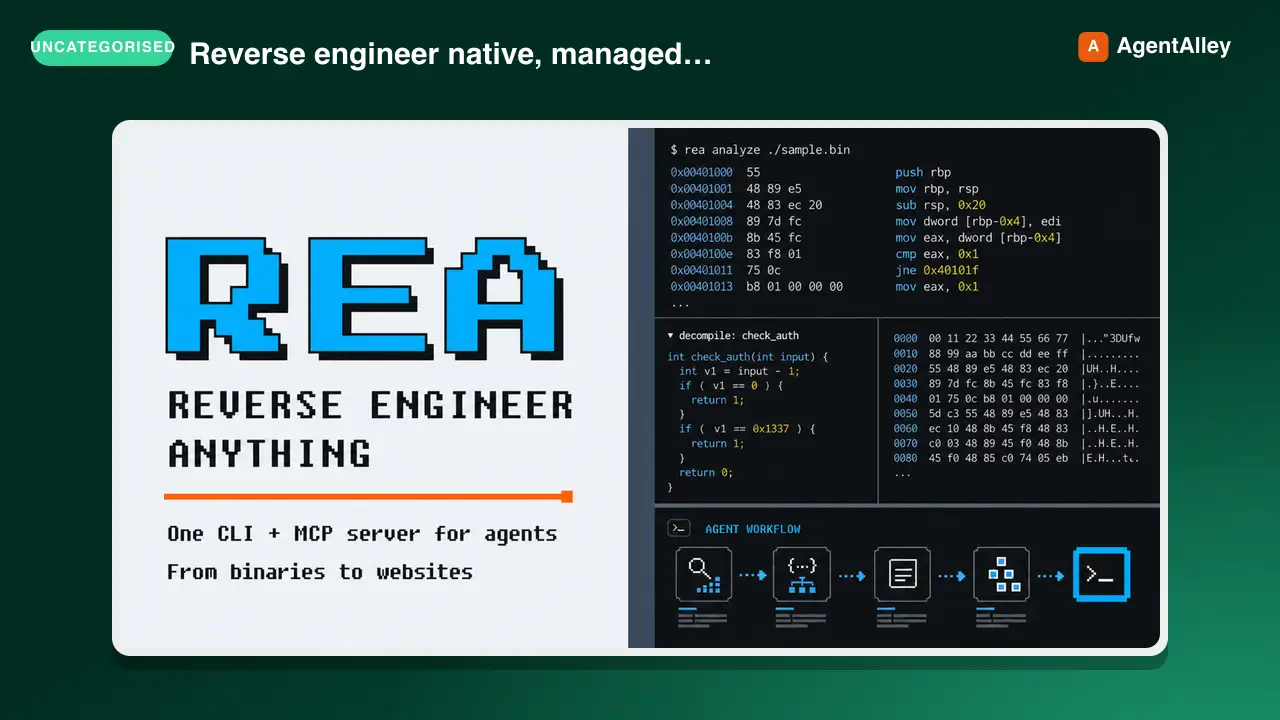 SkillCross-Platform Reverse Engineer
 morluto/rea · by morlutoReverse engineer native, managed, Electron/JavaScript, packaged, firmware, and browser targets with REA. Use shipped-artifact or requested runtime evidence to explain features, compare versions, decompile code, or guide a reconstruction. Skip REA for ordinary source-repository architecture analysis.★ 316k GitHub stars
 SkillBrainstorm Ideas
 obra/superpowers · by obraYou MUST use this before any creative work - creating features, building components, adding functionality, or modifying behavior. Explores user intent, requirements and design before implementation.★ 290k GitHub stars
 SkillCode Review Feedback Analyzerobra/superpowers · by obraUse when receiving code review feedback, before implementing suggestions, especially if feedback seems unclear or technically questionable - requires technical rigor and verification, not performative agreement or blind implementation★ 290k GitHub stars
 SkillBug Diagnosis Framework
 mattpocock/skills · by mattpocockDiagnosis loop for hard bugs and performance regressions. Use when the user says "diagnose"/"debug this", or reports something broken/throwing/failing/slow.★ 267k GitHub stars
 SkillImplement Specmattpocock/skills · by mattpocockImplement the result of /to-spec and /to-tickets in code.★ 267k GitHub stars
 SkillPR Description Writermattpocock/skills · by mattpocockUse when writing a PR body.★ 267k GitHub stars
More from Jakeschincariol
 SkillIG Story Writer
 Jakeschincariol/instagram-agent-skill · by JakeschincariolWrite the day's Instagram Stories - the frame-by-frame sequence, which stickers to use where, and the one that moves people into the DMs. Use when the user says "stories", "what do I post on my story", "story sequence", poll idea", "I have nothing to story about", or wants to sell something without making a post about it.★ 6k GitHub stars
 SkillLinkedIn Post AuditJakeschincariol/linkedin-agent-skill · by JakeschincariolPost-mortem on what the user has already published - which posts actually worked, why, and what to stop doing. Use when the user pastes their LinkedIn analytics or past posts and asks "what's working", "why did this flop", "read my analytics", "audit my content", or wants to know what to double down on.★ 1.9k GitHub stars
 SkillLinkedIn Carousel BuilderJakeschincariol/linkedin-agent-skill · by JakeschincariolBuild a LinkedIn document post (carousel) - slide-by-slide copy, the cover that earns the swipe, and the PDF to upload. Use when the user says carousel", "document post", "slides for LinkedIn", "turn this into a carousel", or has a list-shaped idea that would die as a text post.★ 1.9k GitHub stars
 SkillLinkedIn Comment WriterJakeschincariol/linkedin-agent-skill · by JakeschincariolWrite comments on other people's LinkedIn posts that read as a person with an opinion, not a bot. Use when the user pastes a post and wants a comment, says comment on this", "engage with this", "what do I say here", or wants a batch of comments for their engagement round.★ 1.9k GitHub stars
 SkillYouTube Channel AuditorJakeschincariol/youtube-agent-skill · by JakeschincariolAudit a YouTube channel end to end - packaging, consistency, the first fifteen seconds, and what to fix first. Use for "audit my channel", "why isn't my channel growing", "review my videos", or a pasted channel URL.★ 1.1k GitHub stars
 SkillYouTube Chapter WriterJakeschincariol/youtube-agent-skill · by JakeschincariolWrite YouTube chapters from a transcript, validated against YouTube's own rules so they actually render. Use for "add chapters", "timestamps", break this video into sections".★ 1.1k GitHub stars