Hook Model Case Studies
Hook model case studies
Detailed analysis of how successful products implement the Hook Model, including both successes and instructive failures.
# Hook Model Case Studies

Detailed analysis of how successful products implement the Hook Model, including both successes and instructive failures.


## Table of Contents
1. [Instagram: The Visual Tribe Hook](#instagram-the-visual-tribe-hook)
2. [Slack: The Workplace Communication Hook](#slack-the-workplace-communication-hook)
3. [Duolingo: The Gamified Learning Hook](#duolingo-the-gamified-learning-hook)
4. [Pinterest: The Visual Hunt Hook](#pinterest-the-visual-hunt-hook)
5. [Failed Products: Learning From Mistakes](#failed-products-learning-from-mistakes)
6. [B2B SaaS: Asana Case Study](#b2b-saas-asana-case-study)
7. [Applying Case Study Learnings](#applying-case-study-learnings)

---

## Instagram: The Visual Tribe Hook
Overview
Detailed analysis of how successful products implement the Hook Model, including both successes and instructive failures.
Manual install (npx, ZIP)
npx skills add wondelai/skills --skill hook-model-case-studies -g -a claude-codeConnects with Agent Alley MCP · agentalley.io/mcp
Files included
case-studies.md10.8 KB
Read case-studies.md here
wondelai/
Show the full text333 lines
Hook Model Case Studies
Detailed analysis of how successful products implement the Hook Model, including both successes and instructive failures.
Table of Contents
- Instagram: The Visual Tribe Hook
- Slack: The Workplace Communication Hook
- Duolingo: The Gamified Learning Hook
- Pinterest: The Visual Hunt Hook
- Failed Products: Learning From Mistakes
- B2B SaaS: Asana Case Study
- Applying Case Study Learnings
Instagram: The Visual Tribe Hook
The Hook Cycle
Trigger:
- External: Push notifications ("X liked your photo"), red badge counts
- Internal: Boredom, loneliness, FOMO, need for validation
Action:
- Open app → Scroll feed
- Simplicity: One tap to open, immediate content
- Fogg analysis: High motivation (social), extremely easy action
Variable Reward:
- Tribe: Likes, comments, followers (unpredictable timing and quantity)
- Hunt: New content in feed, Stories disappearing
- Self: Posting aesthetic content, building a grid
Investment:
- Follow accounts (loads feed)
- Post content (loads notifications)
- Build follower base (increases validation)
- Curate aesthetic grid (time invested)
Why It Works
- Multiple variable reward types - Combines tribe, hunt, and self rewards
- Investment loads powerful triggers - Every post creates notification potential
- Internal trigger is primal - Loneliness and need for connection are fundamental
- Action is frictionless - Infinite scroll, no decisions needed
- Reward timing is perfect - Likes trickle in over time, maintaining engagement
Key Metrics
- Average session: 6-8 opens per day
- Time to first reward: <2 seconds (content appears immediately)
- Habit formation: ~66% of users report habitual use
Slack: The Workplace Communication Hook
The Hook Cycle
Trigger:
- External: Desktop/mobile notifications, @mentions, red badges
- Internal: FOMO on work conversations, need to stay informed, desire for connection with colleagues
Action:
- Check messages in channel or DM
- Simplicity: Quick scan, easy replies
- Fogg analysis: High motivation (work obligation), easy action (always open)
Variable Reward:
- Tribe: Recognition, humor, connection with colleagues
- Hunt: Information, decisions, updates relevant to work
- Self: Contributing to team, being "in the know"
Investment:
- Join channels (more triggers)
- Customize notifications (personalization)
- Add integrations (increased utility)
- Build channel history (searchable knowledge)
Why It Works
- Work creates obligation - External motivator supplements internal
- Variable timing of important messages - You never know when something urgent appears
- Investment compounds - More channels = more value = harder to leave
- Social switching cost - Leaving means losing team connection
Unique Pattern: Manufactured Urgency
Slack creates urgency through:
- "Real-time" expectation (pressure to respond quickly)
- Presence indicators (you know people see you're online)
- Threading (fear of missing context in long threads)
Key Metrics
- Average user sends 200+ messages/week
- 9 hours average time in app per workday (power users)
- Habit formation: Very high for teams that adopt
Duolingo: The Gamified Learning Hook
The Hook Cycle
Trigger:
- External: Daily reminder notifications, streak warnings, leaderboard updates
- Internal: Guilt about broken streak, desire for self-improvement, competitive drive
Action:
- Complete a lesson (5-10 minutes)
- Simplicity: Bite-sized, game-like interactions
- Fogg analysis: Moderate motivation, very easy action
Variable Reward:
- Self: XP, streak maintenance, level progression, skill completion
- Tribe: Leaderboard position, friend comparisons
- Hunt: New lessons, bonus XP events
Investment:
- Build streak (high switching cost)
- Accumulate XP and levels
- Complete skill trees
- Add friends for competition
Why It Works
- Streak mechanic is powerful - Loss aversion creates daily commitment
- Immediate rewards - Sound effects, animations, XP after every action
- Low time commitment - "Just 5 minutes" is achievable
- Progress visualization - Skill trees show advancement clearly
The Streak Psychology
Streaks work because:
- Loss aversion (losing streak feels worse than gaining XP feels good)
- Sunk cost (don't want to "waste" days invested)
- Identity ("I'm someone who does Duolingo daily")
Key Metrics
- 500+ day streaks common among power users
- 34% of daily users attributed to streak notifications
- Retention dramatically higher for users with 7+ day streaks
Pinterest: The Visual Hunt Hook
The Hook Cycle
Trigger:
- External: Email digests, push notifications ("New ideas for you")
- Internal: Seeking inspiration, planning (wedding, home, recipes), aspiration
Action:
- Browse and pin images
- Simplicity: Visual scanning requires minimal cognitive effort
- Fogg analysis: High motivation (aspiration), extremely easy action
Variable Reward:
- Hunt: Discovering beautiful, useful images
- Self: Curating boards, building collections
- Tribe: Followers, repins (secondary)
Investment:
- Create boards (organization)
- Pin images (content accumulation)
- Follow topics (feed personalization)
- Save ideas (future reference)
Why It Works
- Visual discovery is low effort - No reading, just scanning
- Aspiration is internally motivating - "Future me" is powerful
- Investment creates value - Boards become personal archives
- Infinite content - Always more to discover
Unique Pattern: Deferred Gratification
Pinterest is unusual: the reward is often planning for future action, not immediate gratification. Users build boards for:
- Weddings they'll have someday
- Homes they might buy
- Recipes they may cook
This creates repeat engagement without actual "completion."
Key Metrics
- 450+ million monthly active users
- Average session: 14+ minutes
- High retention among "planners"
Failed Products: Learning From Mistakes
Google+: The Forced Social Hook
What They Tried:
- Trigger: Integration with all Google services
- Action: Share to circles
- Reward: Social engagement like Facebook
- Investment: Build circles, share content
Why It Failed:
- No internal trigger - People didn't feel a need for another social network
- Forced external triggers - Integration felt intrusive, not valuable
- Weak variable rewards - Not enough people to engage with content
- Cold start problem - Investment felt pointless without audience
Lesson: You can't force habits. Users must have a genuine internal trigger.
Quibi: The Premium Short-Form Hook
What They Tried:
- Trigger: Premium short-form content for "in-between moments"
- Action: Watch 10-minute episodes
- Reward: High-quality entertainment
- Investment: Subscription, watch history
Why It Failed:
- Misidentified circumstance - "In-between moments" were already filled by TikTok, YouTube, social media
- Action too complex - Required subscription, specific app, content commitment
- Reward wasn't variable - Scripted content = predictable
- No investment loop - Watching didn't load next triggers
Lesson: Understand what users currently "hire" for the job. Quibi competed against free, social, infinite content with premium, isolated, finite content.
Vine: The Abandoned Hook
What They Had:
- Strong creative community
- Unique format (6-second loops)
- Genuine viral content
Why It Died:
- Creator investment wasn't rewarded - No monetization for creators
- Competition offered better investment - Instagram, YouTube paid attention to creators
- Platform didn't load next triggers - Limited notification/engagement features
Lesson: Investment must benefit users, not just the platform. When creators can't build lasting value, they leave.
B2B SaaS: Asana Case Study
The Hook Cycle
Trigger:
- External: Task assignments, due date reminders, mentions
- Internal: Overwhelm, need for organization, fear of dropping balls
Action:
- Check and update tasks
- Simplicity: Quick status updates, easy task creation
- Fogg analysis: High motivation (work productivity), moderate ease
Variable Reward:
- Self: Task completion, progress tracking, sense of control
- Tribe: Team visibility, recognition for completing work
- Hunt: Seeing what's happening across projects
Investment:
- Create projects and tasks
- Set up workflows
- Build team habits
- Accumulate project history
B2B-Specific Patterns
- Team adoption required - One user can't form habit alone
- Work obligation strengthens external triggers - Job depends on it
- Switching costs are massive - Project history, team training
- Multiple stakeholders in investment - Harder to leave
Key Insight for B2B
The hook model works differently in B2B:
- External triggers can be work obligations (not just notifications)
- Investment includes team adoption, not just individual use
- Variable rewards include professional recognition
- Habit must form at team level, not just individual
Applying Case Study Learnings
Pattern 1: Multiple Reward Types
Most successful products combine:
- At least 2 of 3 reward types
- Primary reward aligned with core job
- Secondary rewards that deepen engagement
Pattern 2: Investment That Loads Triggers
| Product | Investment | Trigger Loaded |
|---|---|---|
| Post content | Notification when someone engages | |
| Slack | Join channels | Messages in those channels |
| Duolingo | Build streak | Reminder to maintain it |
| Pin images | Recommendations based on pins |
Pattern 3: Internal Trigger Alignment
Products must solve a real emotional need:
- Instagram → Loneliness, validation seeking
- Slack → FOMO, need to stay informed
- Duolingo → Guilt, self-improvement desire
- Pinterest → Aspiration, planning satisfaction
Pattern 4: Frictionless Initial Action
All successful hooks have ultra-simple first actions:
- Scroll (Instagram, Pinterest)
- Scan messages (Slack)
- Tap correct answer (Duolingo)
Warning Signs in Your Product
| Red Flag | What It Indicates |
|---|---|
| Users need constant reminders | No internal trigger formed |
| Engagement drops after novelty | Weak or predictable rewards |
| Users don't increase usage over time | No investment loop |
| High acquisition, low retention | Big Hire won, Little Hire lost |
| Users describe as "useful but forgettable" | Functional but no emotional hook |
| 1 | # Hook Model Case Studies |
| 2 | |
| 3 | Detailed analysis of how successful products implement the Hook Model, including both successes and instructive failures. |
| 4 | |
| 5 | |
| 6 | ## Table of Contents |
| 7 | [Instagram: The Visual Tribe Hook] |
| 8 | [Slack: The Workplace Communication Hook] |
| 9 | [Duolingo: The Gamified Learning Hook] |
| 10 | [Pinterest: The Visual Hunt Hook] |
| 11 | [Failed Products: Learning From Mistakes] |
| 12 | [B2B SaaS: Asana Case Study] |
| 13 | [Applying Case Study Learnings] |
| 14 | |
| 15 | |
| 16 | |
| 17 | ## Instagram: The Visual Tribe Hook |
| 18 | |
| 19 | ### The Hook Cycle |
| 20 | |
| 21 | **Trigger:** |
| 22 | External: Push notifications ("X liked your photo"), red badge counts |
| 23 | Internal: Boredom, loneliness, FOMO, need for validation |
| 24 | |
| 25 | **Action:** |
| 26 | Open app → Scroll feed |
| 27 | Simplicity: One tap to open, immediate content |
| 28 | Fogg analysis: High motivation (social), extremely easy action |
| 29 | |
| 30 | **Variable Reward:** |
| 31 | Tribe: Likes, comments, followers (unpredictable timing and quantity) |
| 32 | Hunt: New content in feed, Stories disappearing |
| 33 | Self: Posting aesthetic content, building a grid |
| 34 | |
| 35 | **Investment:** |
| 36 | Follow accounts (loads feed) |
| 37 | Post content (loads notifications) |
| 38 | Build follower base (increases validation) |
| 39 | Curate aesthetic grid (time invested) |
| 40 | |
| 41 | ### Why It Works |
| 42 | |
| 43 | **Multiple variable reward types** - Combines tribe, hunt, and self rewards |
| 44 | **Investment loads powerful triggers** - Every post creates notification potential |
| 45 | **Internal trigger is primal** - Loneliness and need for connection are fundamental |
| 46 | **Action is frictionless** - Infinite scroll, no decisions needed |
| 47 | **Reward timing is perfect** - Likes trickle in over time, maintaining engagement |
| 48 | |
| 49 | ### Key Metrics |
| 50 | |
| 51 | Average session: 6-8 opens per day |
| 52 | Time to first reward: <2 seconds (content appears immediately) |
| 53 | Habit formation: ~66% of users report habitual use |
| 54 | |
| 55 | |
| 56 | |
| 57 | ## Slack: The Workplace Communication Hook |
| 58 | |
| 59 | ### The Hook Cycle |
| 60 | |
| 61 | **Trigger:** |
| 62 | External: Desktop/mobile notifications, @mentions, red badges |
| 63 | Internal: FOMO on work conversations, need to stay informed, desire for connection with colleagues |
| 64 | |
| 65 | **Action:** |
| 66 | Check messages in channel or DM |
| 67 | Simplicity: Quick scan, easy replies |
| 68 | Fogg analysis: High motivation (work obligation), easy action (always open) |
| 69 | |
| 70 | **Variable Reward:** |
| 71 | Tribe: Recognition, humor, connection with colleagues |
| 72 | Hunt: Information, decisions, updates relevant to work |
| 73 | Self: Contributing to team, being "in the know" |
| 74 | |
| 75 | **Investment:** |
| 76 | Join channels (more triggers) |
| 77 | Customize notifications (personalization) |
| 78 | Add integrations (increased utility) |
| 79 | Build channel history (searchable knowledge) |
| 80 | |
| 81 | ### Why It Works |
| 82 | |
| 83 | **Work creates obligation** - External motivator supplements internal |
| 84 | **Variable timing of important messages** - You never know when something urgent appears |
| 85 | **Investment compounds** - More channels = more value = harder to leave |
| 86 | **Social switching cost** - Leaving means losing team connection |
| 87 | |
| 88 | ### Unique Pattern: Manufactured Urgency |
| 89 | |
| 90 | Slack creates urgency through: |
| 91 | "Real-time" expectation (pressure to respond quickly) |
| 92 | Presence indicators (you know people see you're online) |
| 93 | Threading (fear of missing context in long threads) |
| 94 | |
| 95 | ### Key Metrics |
| 96 | |
| 97 | Average user sends 200+ messages/week |
| 98 | 9 hours average time in app per workday (power users) |
| 99 | Habit formation: Very high for teams that adopt |
| 100 | |
| 101 | |
| 102 | |
| 103 | ## Duolingo: The Gamified Learning Hook |
| 104 | |
| 105 | ### The Hook Cycle |
| 106 | |
| 107 | **Trigger:** |
| 108 | External: Daily reminder notifications, streak warnings, leaderboard updates |
| 109 | Internal: Guilt about broken streak, desire for self-improvement, competitive drive |
| 110 | |
| 111 | **Action:** |
| 112 | Complete a lesson (5-10 minutes) |
| 113 | Simplicity: Bite-sized, game-like interactions |
| 114 | Fogg analysis: Moderate motivation, very easy action |
| 115 | |
| 116 | **Variable Reward:** |
| 117 | Self: XP, streak maintenance, level progression, skill completion |
| 118 | Tribe: Leaderboard position, friend comparisons |
| 119 | Hunt: New lessons, bonus XP events |
| 120 | |
| 121 | **Investment:** |
| 122 | Build streak (high switching cost) |
| 123 | Accumulate XP and levels |
| 124 | Complete skill trees |
| 125 | Add friends for competition |
| 126 | |
| 127 | ### Why It Works |
| 128 | |
| 129 | **Streak mechanic is powerful** - Loss aversion creates daily commitment |
| 130 | **Immediate rewards** - Sound effects, animations, XP after every action |
| 131 | **Low time commitment** - "Just 5 minutes" is achievable |
| 132 | **Progress visualization** - Skill trees show advancement clearly |
| 133 | |
| 134 | ### The Streak Psychology |
| 135 | |
| 136 | Streaks work because: |
| 137 | Loss aversion (losing streak feels worse than gaining XP feels good) |
| 138 | Sunk cost (don't want to "waste" days invested) |
| 139 | Identity ("I'm someone who does Duolingo daily") |
| 140 | |
| 141 | ### Key Metrics |
| 142 | |
| 143 | 500+ day streaks common among power users |
| 144 | 34% of daily users attributed to streak notifications |
| 145 | Retention dramatically higher for users with 7+ day streaks |
| 146 | |
| 147 | |
| 148 | |
| 149 | ## Pinterest: The Visual Hunt Hook |
| 150 | |
| 151 | ### The Hook Cycle |
| 152 | |
| 153 | **Trigger:** |
| 154 | External: Email digests, push notifications ("New ideas for you") |
| 155 | Internal: Seeking inspiration, planning (wedding, home, recipes), aspiration |
| 156 | |
| 157 | **Action:** |
| 158 | Browse and pin images |
| 159 | Simplicity: Visual scanning requires minimal cognitive effort |
| 160 | Fogg analysis: High motivation (aspiration), extremely easy action |
| 161 | |
| 162 | **Variable Reward:** |
| 163 | Hunt: Discovering beautiful, useful images |
| 164 | Self: Curating boards, building collections |
| 165 | Tribe: Followers, repins (secondary) |
| 166 | |
| 167 | **Investment:** |
| 168 | Create boards (organization) |
| 169 | Pin images (content accumulation) |
| 170 | Follow topics (feed personalization) |
| 171 | Save ideas (future reference) |
| 172 | |
| 173 | ### Why It Works |
| 174 | |
| 175 | **Visual discovery is low effort** - No reading, just scanning |
| 176 | **Aspiration is internally motivating** - "Future me" is powerful |
| 177 | **Investment creates value** - Boards become personal archives |
| 178 | **Infinite content** - Always more to discover |
| 179 | |
| 180 | ### Unique Pattern: Deferred Gratification |
| 181 | |
| 182 | Pinterest is unusual: the reward is often planning for future action, not immediate gratification. Users build boards for: |
| 183 | Weddings they'll have someday |
| 184 | Homes they might buy |
| 185 | Recipes they may cook |
| 186 | |
| 187 | This creates repeat engagement without actual "completion." |
| 188 | |
| 189 | ### Key Metrics |
| 190 | |
| 191 | 450+ million monthly active users |
| 192 | Average session: 14+ minutes |
| 193 | High retention among "planners" |
| 194 | |
| 195 | |
| 196 | |
| 197 | ## Failed Products: Learning From Mistakes |
| 198 | |
| 199 | ### Google+: The Forced Social Hook |
| 200 | |
| 201 | **What They Tried:** |
| 202 | Trigger: Integration with all Google services |
| 203 | Action: Share to circles |
| 204 | Reward: Social engagement like Facebook |
| 205 | Investment: Build circles, share content |
| 206 | |
| 207 | **Why It Failed:** |
| 208 | |
| 209 | **No internal trigger** - People didn't feel a need for another social network |
| 210 | **Forced external triggers** - Integration felt intrusive, not valuable |
| 211 | **Weak variable rewards** - Not enough people to engage with content |
| 212 | **Cold start problem** - Investment felt pointless without audience |
| 213 | |
| 214 | **Lesson:** You can't force habits. Users must have a genuine internal trigger. |
| 215 | |
| 216 | ### Quibi: The Premium Short-Form Hook |
| 217 | |
| 218 | **What They Tried:** |
| 219 | Trigger: Premium short-form content for "in-between moments" |
| 220 | Action: Watch 10-minute episodes |
| 221 | Reward: High-quality entertainment |
| 222 | Investment: Subscription, watch history |
| 223 | |
| 224 | **Why It Failed:** |
| 225 | |
| 226 | **Misidentified circumstance** - "In-between moments" were already filled by TikTok, YouTube, social media |
| 227 | **Action too complex** - Required subscription, specific app, content commitment |
| 228 | **Reward wasn't variable** - Scripted content = predictable |
| 229 | **No investment loop** - Watching didn't load next triggers |
| 230 | |
| 231 | **Lesson:** Understand what users currently "hire" for the job. Quibi competed against free, social, infinite content with premium, isolated, finite content. |
| 232 | |
| 233 | ### Vine: The Abandoned Hook |
| 234 | |
| 235 | **What They Had:** |
| 236 | Strong creative community |
| 237 | Unique format (6-second loops) |
| 238 | Genuine viral content |
| 239 | |
| 240 | **Why It Died:** |
| 241 | |
| 242 | **Creator investment wasn't rewarded** - No monetization for creators |
| 243 | **Competition offered better investment** - Instagram, YouTube paid attention to creators |
| 244 | **Platform didn't load next triggers** - Limited notification/engagement features |
| 245 | |
| 246 | **Lesson:** Investment must benefit users, not just the platform. When creators can't build lasting value, they leave. |
| 247 | |
| 248 | |
| 249 | |
| 250 | ## B2B SaaS: Asana Case Study |
| 251 | |
| 252 | ### The Hook Cycle |
| 253 | |
| 254 | **Trigger:** |
| 255 | External: Task assignments, due date reminders, mentions |
| 256 | Internal: Overwhelm, need for organization, fear of dropping balls |
| 257 | |
| 258 | **Action:** |
| 259 | Check and update tasks |
| 260 | Simplicity: Quick status updates, easy task creation |
| 261 | Fogg analysis: High motivation (work productivity), moderate ease |
| 262 | |
| 263 | **Variable Reward:** |
| 264 | Self: Task completion, progress tracking, sense of control |
| 265 | Tribe: Team visibility, recognition for completing work |
| 266 | Hunt: Seeing what's happening across projects |
| 267 | |
| 268 | **Investment:** |
| 269 | Create projects and tasks |
| 270 | Set up workflows |
| 271 | Build team habits |
| 272 | Accumulate project history |
| 273 | |
| 274 | ### B2B-Specific Patterns |
| 275 | |
| 276 | **Team adoption required** - One user can't form habit alone |
| 277 | **Work obligation strengthens external triggers** - Job depends on it |
| 278 | **Switching costs are massive** - Project history, team training |
| 279 | **Multiple stakeholders in investment** - Harder to leave |
| 280 | |
| 281 | ### Key Insight for B2B |
| 282 | |
| 283 | The hook model works differently in B2B: |
| 284 | External triggers can be work obligations (not just notifications) |
| 285 | Investment includes team adoption, not just individual use |
| 286 | Variable rewards include professional recognition |
| 287 | Habit must form at team level, not just individual |
| 288 | |
| 289 | |
| 290 | |
| 291 | ## Applying Case Study Learnings |
| 292 | |
| 293 | ### Pattern 1: Multiple Reward Types |
| 294 | |
| 295 | Most successful products combine: |
| 296 | At least 2 of 3 reward types |
| 297 | Primary reward aligned with core job |
| 298 | Secondary rewards that deepen engagement |
| 299 | |
| 300 | ### Pattern 2: Investment That Loads Triggers |
| 301 | |
| 302 | | Product | Investment | Trigger Loaded | |
| 303 | |---------|------------|----------------| |
| 304 | | Instagram | Post content | Notification when someone engages | |
| 305 | | Slack | Join channels | Messages in those channels | |
| 306 | | Duolingo | Build streak | Reminder to maintain it | |
| 307 | | Pinterest | Pin images | Recommendations based on pins | |
| 308 | |
| 309 | ### Pattern 3: Internal Trigger Alignment |
| 310 | |
| 311 | Products must solve a real emotional need: |
| 312 | Instagram → Loneliness, validation seeking |
| 313 | Slack → FOMO, need to stay informed |
| 314 | Duolingo → Guilt, self-improvement desire |
| 315 | Pinterest → Aspiration, planning satisfaction |
| 316 | |
| 317 | ### Pattern 4: Frictionless Initial Action |
| 318 | |
| 319 | All successful hooks have ultra-simple first actions: |
| 320 | Scroll (Instagram, Pinterest) |
| 321 | Scan messages (Slack) |
| 322 | Tap correct answer (Duolingo) |
| 323 | |
| 324 | ### Warning Signs in Your Product |
| 325 | |
| 326 | | Red Flag | What It Indicates | |
| 327 | |----------|-------------------| |
| 328 | | Users need constant reminders | No internal trigger formed | |
| 329 | | Engagement drops after novelty | Weak or predictable rewards | |
| 330 | | Users don't increase usage over time | No investment loop | |
| 331 | | High acquisition, low retention | Big Hire won, Little Hire lost | |
| 332 | | Users describe as "useful but forgettable" | Functional but no emotional hook | |
| 333 |
Details
- Updated
- Sep 10, 2026
- License
- MIT
- Stars on the repo
- ★ 2,235
- Checked
- Source
- wondelai/skills ↗
- Creator
- wondelai · 319 listings
Similar skills
See all →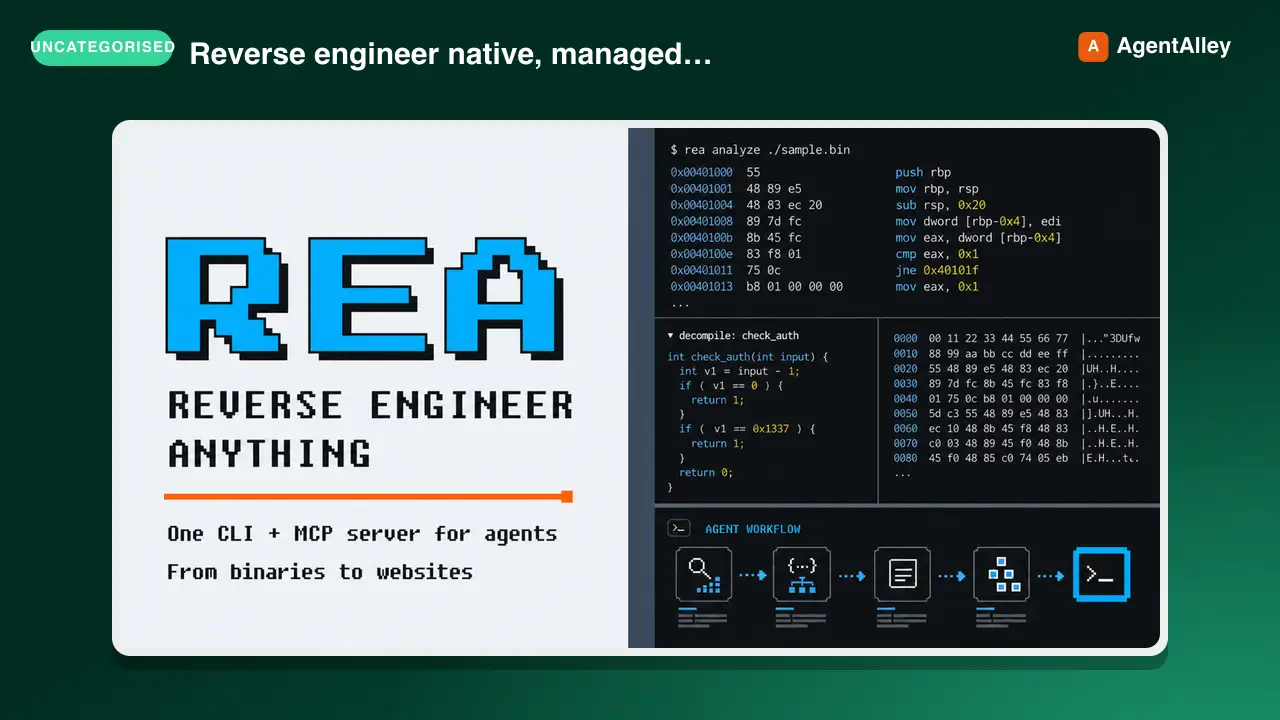 SkillCross-Platform Reverse Engineer
 morluto/rea · by morlutoReverse engineer native, managed, Electron/JavaScript, packaged, firmware, and browser targets with REA. Use shipped-artifact or requested runtime evidence to explain features, compare versions, decompile code, or guide a reconstruction. Skip REA for ordinary source-repository architecture analysis.★ 316k GitHub stars
 SkillBrainstorm Ideas
 obra/superpowers · by obraYou MUST use this before any creative work - creating features, building components, adding functionality, or modifying behavior. Explores user intent, requirements and design before implementation.★ 290k GitHub stars
 SkillCode Review Feedback Analyzerobra/superpowers · by obraUse when receiving code review feedback, before implementing suggestions, especially if feedback seems unclear or technically questionable - requires technical rigor and verification, not performative agreement or blind implementation★ 290k GitHub stars
 SkillBug Diagnosis Framework
 mattpocock/skills · by mattpocockDiagnosis loop for hard bugs and performance regressions. Use when the user says "diagnose"/"debug this", or reports something broken/throwing/failing/slow.★ 267k GitHub stars
 SkillImplement Specmattpocock/skills · by mattpocockImplement the result of /to-spec and /to-tickets in code.★ 267k GitHub stars
 SkillPR Description Writermattpocock/skills · by mattpocockUse when writing a PR body.★ 267k GitHub stars
More from wondelai
 SkillSoftware Design Philosophy
 wondelai/skills · by wondelaiManage software complexity through deep modules, information hiding, and strategic programming. Use when the user mentions "module design", "API too complex", "shallow class", "complexity budget", "strategic vs tactical", "deep module", "information leakage", "pass-through method", "this code is over-engineered", or "simplify this design". Also trigger when reviewing an interface for simplicity, evaluating whether an abstraction is pulling its weight, deciding whether a comment is worth writing, or choosing between general-purpose and special-purpose approaches. Covers deep vs shallow modules, red flags for complexity, and comments as design documentation. For code quality, see clean-code. For architecture boundaries, see clean-architecture.★ 2.2k GitHub stars
 SkillActionable Metrics Guidewondelai/skills · by wondelaiMetrics are the language of validated learning. The wrong metrics create the illusion of progress while the startup drifts toward failure.…★ 2.2k GitHub stars
 SkillAdvertising Mediawondelai/skills · by wondelaiAdvertising media is the vehicle that carries your message to your target market. Choosing the right media is not about what is trendy — it…★ 2.2k GitHub stars
 SkillAffordance Designwondelai/skills · by wondelaiAn affordance is a relationship between an object and a person that determines how the object could possibly be used. A chair affords…★ 2.2k GitHub stars
 SkillLean UX in Agile Teamswondelai/skills · by wondelaiLean UX was designed to work inside Agile development teams, not alongside them. The central mechanism is dual-track agile, where a…★ 2.2k GitHub stars
 SkillAMP Framework Practitionerwondelai/skills · by wondelaiThis reference translates the AMP framework from theory into practice across six domains: product gamification, team management,…★ 2.2k GitHub stars