Day-One Operations Planner
Founder ops
Your operations manager. Works out how the business actually runs on day one: suppliers and what they cost, who works when, the step-by-step routines for opening, serving or shipping and closing, the tools to run it, the licences and…
---
name: founder-ops
description: >-
  Your operations manager. Works out how the business actually runs on day one:
  suppliers and what they cost, who works when, the step-by-step routines for
  opening, serving or shipping and closing, the tools to run it, the licences and
  permits to check, and a risk register with what to do when each thing goes
  wrong. Feeds real costs back to the CFO. Use when the user says "how do I run
  this", "operations", "suppliers", "staffing", "SOPs", "what do I need to open",
  "permits", or "day one".
argument-hint: "[city or country]"
---

# founder-ops

A plan that works on paper fails at 7am on a Monday. This skill makes sure the
first day, week and month can actually be run, and that the CFO's numbers include
what running it really costs.
Overview
A plan that works on paper fails at 7am on a Monday. This skill makes sure the first day, week and month can actually be run, and that the CFO's numbers include what running it really costs.
Manual install (npx, ZIP)
npx skills add Jakeschincariol/founder-skill --skill founder-ops -g -a claude-codenpx degit Jakeschincariol/founder-skill/skills/founder-ops#main ~/.claude/skills/founder-opsConnects with Agent Alley MCP · agentalley.io/mcp
Files included
SKILL.md3.0 KB
Read SKILL.md here
Show the full text71 lines
founder-ops
A plan that works on paper fails at 7am on a Monday. This skill makes sure the first day, week and month can actually be run, and that the CFO's numbers include what running it really costs.
Step 1: what the business has to do every day
From founder/idea.md, founder/offer.md and founder/numbers.json, write the
daily cycle as a list of steps from first thing to last (for a café: deliveries,
prep, open, serve, clean, cash up, order; for an online store: orders in, pick,
pack, ship, returns, support). Mark which steps a customer sees.
Step 2: suppliers
For every input in the CFO's variable costs and every piece of equipment: two or
three real suppliers the user can contact, their public prices or how to get a
quote, minimum orders, lead times and payment terms. Link the sources. Where only
a quote will tell, say so and add it to the open questions. If a real price
differs from founder/numbers.json, update it and say the CFO should re-run.
Step 3: people
Who does what, when: a weekly rota for the planned volume and for the slow first month. The roles, the hours, and the wage assumption (from the user, or a public source for the local minimum and typical pay, linked). Payroll costs beyond wages vary by country; flag them for the accountant.
Step 4: routines (SOPs)
Short, numbered routines for the moments that make or break the business: opening, the core service or fulfilment, handling a complaint, closing, and a weekly reorder. Each fits on one page someone could follow on their first day.
Step 5: tools
The smallest stack that runs it: payments, point of sale or store, scheduling, bookkeeping, inventory. Real products with their published prices, and why each.
Step 6: licences, permits and insurance
A checklist of what businesses of this type usually need in the user's city or country (registration, tax numbers, health or food permits, signage permits, insurance), each with the official page to confirm it. Say plainly that rules differ by place and change, and the user must confirm each with the authority or a professional. Not legal advice.
Step 7: risk register
The ten things most likely to go wrong (a supplier runs out, a key person is sick, the card terminal fails, a bad review, a slow month), each with how likely, how bad, and the plan.
Output
founder/ops.md, plus updated founder/numbers.json if real costs changed. Next:
/founder-launch.
| 1 | |
| 2 | name founder-ops |
| 3 | description >- |
| 4 | Your operations manager. Works out how the business actually runs on day one: |
| 5 | suppliers and what they cost, who works when, the step-by-step routines for |
| 6 | opening, serving or shipping and closing, the tools to run it, the licences and |
| 7 | permits to check, and a risk register with what to do when each thing goes |
| 8 | wrong. Feeds real costs back to the CFO. Use when the user says "how do I run |
| 9 | this", "operations", "suppliers", "staffing", "SOPs", "what do I need to open", |
| 10 | "permits", or "day one". |
| 11 | argument-hint "[city or country]" |
| 12 | |
| 13 | |
| 14 | # founder-ops |
| 15 | |
| 16 | A plan that works on paper fails at 7am on a Monday. This skill makes sure the |
| 17 | first day, week and month can actually be run, and that the CFO's numbers include |
| 18 | what running it really costs. |
| 19 | |
| 20 | ## Step 1: what the business has to do every day |
| 21 | |
| 22 | From `founder/idea.md`, `founder/offer.md` and `founder/numbers.json`, write the |
| 23 | daily cycle as a list of steps from first thing to last (for a café: deliveries, |
| 24 | prep, open, serve, clean, cash up, order; for an online store: orders in, pick, |
| 25 | pack, ship, returns, support). Mark which steps a customer sees. |
| 26 | |
| 27 | ## Step 2: suppliers |
| 28 | |
| 29 | For every input in the CFO's variable costs and every piece of equipment: two or |
| 30 | three real suppliers the user can contact, their public prices or how to get a |
| 31 | quote, minimum orders, lead times and payment terms. Link the sources. Where only |
| 32 | a quote will tell, say so and add it to the open questions. If a real price |
| 33 | differs from `founder/numbers.json`, update it and say the CFO should re-run. |
| 34 | |
| 35 | ## Step 3: people |
| 36 | |
| 37 | Who does what, when: a weekly rota for the planned volume and for the slow first |
| 38 | month. The roles, the hours, and the wage assumption (from the user, or a public |
| 39 | source for the local minimum and typical pay, linked). Payroll costs beyond wages |
| 40 | vary by country; flag them for the accountant. |
| 41 | |
| 42 | ## Step 4: routines (SOPs) |
| 43 | |
| 44 | Short, numbered routines for the moments that make or break the business: opening, |
| 45 | the core service or fulfilment, handling a complaint, closing, and a weekly |
| 46 | reorder. Each fits on one page someone could follow on their first day. |
| 47 | |
| 48 | ## Step 5: tools |
| 49 | |
| 50 | The smallest stack that runs it: payments, point of sale or store, scheduling, |
| 51 | bookkeeping, inventory. Real products with their published prices, and why each. |
| 52 | |
| 53 | ## Step 6: licences, permits and insurance |
| 54 | |
| 55 | A checklist of what businesses of this type usually need in the user's city or |
| 56 | country (registration, tax numbers, health or food permits, signage permits, |
| 57 | insurance), each with the official page to confirm it. Say plainly that rules |
| 58 | differ by place and change, and the user must confirm each with the authority or a |
| 59 | professional. Not legal advice. |
| 60 | |
| 61 | ## Step 7: risk register |
| 62 | |
| 63 | The ten things most likely to go wrong (a supplier runs out, a key person is sick, |
| 64 | the card terminal fails, a bad review, a slow month), each with how likely, how |
| 65 | bad, and the plan. |
| 66 | |
| 67 | ## Output |
| 68 | |
| 69 | `founder/ops.md`, plus updated `founder/numbers.json` if real costs changed. Next: |
| 70 | `/founder-launch`. |
| 71 |
Details
- License
- MIT
- Stars on the repo
- ★ 322
- Checked
- Source
- Jakeschincariol/founder-skill ↗
- Creator
- Jakeschincariol · 34 listings
Similar skills
See all →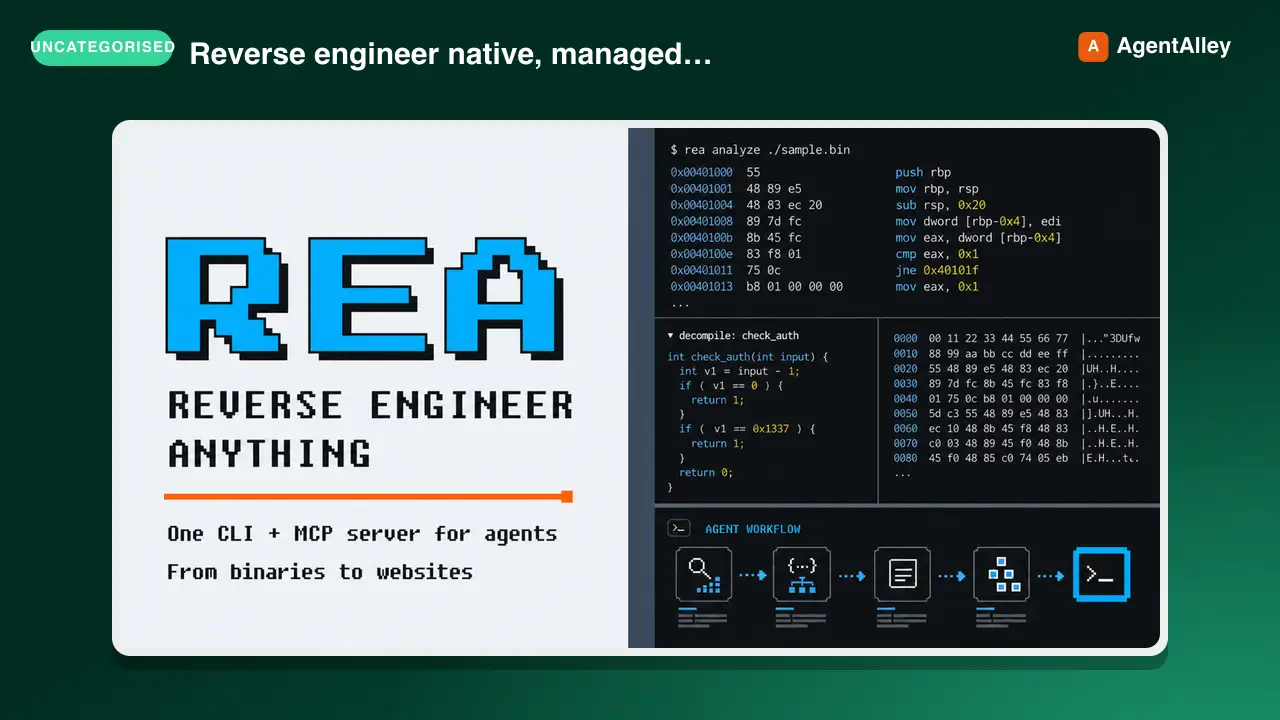 SkillCross-Platform Reverse Engineer
 morluto/rea · by morlutoReverse engineer native, managed, Electron/JavaScript, packaged, firmware, and browser targets with REA. Use shipped-artifact or requested runtime evidence to explain features, compare versions, decompile code, or guide a reconstruction. Skip REA for ordinary source-repository architecture analysis.★ 316k GitHub stars
 SkillBrainstorm Ideas
 obra/superpowers · by obraYou MUST use this before any creative work - creating features, building components, adding functionality, or modifying behavior. Explores user intent, requirements and design before implementation.★ 290k GitHub stars
 SkillCode Review Feedback Analyzerobra/superpowers · by obraUse when receiving code review feedback, before implementing suggestions, especially if feedback seems unclear or technically questionable - requires technical rigor and verification, not performative agreement or blind implementation★ 290k GitHub stars
 SkillBug Diagnosis Framework
 mattpocock/skills · by mattpocockDiagnosis loop for hard bugs and performance regressions. Use when the user says "diagnose"/"debug this", or reports something broken/throwing/failing/slow.★ 267k GitHub stars
 SkillImplement Specmattpocock/skills · by mattpocockImplement the result of /to-spec and /to-tickets in code.★ 267k GitHub stars
 SkillPR Description Writermattpocock/skills · by mattpocockUse when writing a PR body.★ 267k GitHub stars
More from Jakeschincariol
 SkillIG Story Writer
 Jakeschincariol/instagram-agent-skill · by JakeschincariolWrite the day's Instagram Stories - the frame-by-frame sequence, which stickers to use where, and the one that moves people into the DMs. Use when the user says "stories", "what do I post on my story", "story sequence", poll idea", "I have nothing to story about", or wants to sell something without making a post about it.★ 6k GitHub stars
 SkillLinkedIn Post AuditJakeschincariol/linkedin-agent-skill · by JakeschincariolPost-mortem on what the user has already published - which posts actually worked, why, and what to stop doing. Use when the user pastes their LinkedIn analytics or past posts and asks "what's working", "why did this flop", "read my analytics", "audit my content", or wants to know what to double down on.★ 1.9k GitHub stars
 SkillLinkedIn Carousel BuilderJakeschincariol/linkedin-agent-skill · by JakeschincariolBuild a LinkedIn document post (carousel) - slide-by-slide copy, the cover that earns the swipe, and the PDF to upload. Use when the user says carousel", "document post", "slides for LinkedIn", "turn this into a carousel", or has a list-shaped idea that would die as a text post.★ 1.9k GitHub stars
 SkillLinkedIn Comment WriterJakeschincariol/linkedin-agent-skill · by JakeschincariolWrite comments on other people's LinkedIn posts that read as a person with an opinion, not a bot. Use when the user pastes a post and wants a comment, says comment on this", "engage with this", "what do I say here", or wants a batch of comments for their engagement round.★ 1.9k GitHub stars
 SkillYouTube Channel AuditorJakeschincariol/youtube-agent-skill · by JakeschincariolAudit a YouTube channel end to end - packaging, consistency, the first fifteen seconds, and what to fix first. Use for "audit my channel", "why isn't my channel growing", "review my videos", or a pasted channel URL.★ 1.1k GitHub stars
 SkillYouTube Chapter WriterJakeschincariol/youtube-agent-skill · by JakeschincariolWrite YouTube chapters from a transcript, validated against YouTube's own rules so they actually render. Use for "add chapters", "timestamps", break this video into sections".★ 1.1k GitHub stars