Multi-Channel Campaign Planner
/digital-marketing-pro:campaign-plan
Write a multi-channel campaign plan: objectives, channel mix, budget, timeline, KPIs.
---
name: campaign-plan
description: "Write a multi-channel campaign plan: objectives, channel mix, budget, timeline, KPIs. \"build the Q3 campaign plan\""
argument-hint: "[campaign-objective]"
---

# /digital-marketing-pro:campaign-plan

## Purpose

Generate a comprehensive multi-channel campaign plan ready for execution. Covers strategic objectives, audience segmentation, channel selection, budget distribution, phased timeline, and measurable KPIs.

## Input Required

The user must provide (or will be prompted for):

- **Campaign goal**: What the campaign should achieve (awareness, leads, sales, retention, etc.)
- **Product/service**: What is being promoted
Overview
Generate a comprehensive multi-channel campaign plan ready for execution. Covers strategic objectives, audience segmentation, channel selection, budget distribution, phased timeline, and measurable KPIs.
What you get
- Campaign overview and SMART objectives
- Audience segments with targeting criteria
- Channel strategy with rationale for each channel
- Budget allocation table with expected reach/cost estimates
- Phased timeline with milestones and deliverables
- KPI dashboard framework with targets and measurement approach
Manual install (npx, ZIP)
npx skills add indranilbanerjee/digital-marketing-pro --skill campaign-plan -g -a claude-codenpx degit indranilbanerjee/digital-marketing-pro/skills/campaign-plan#main ~/.claude/skills/campaign-planConnects with Agent Alley MCP · agentalley.io/mcp
Files included
SKILL.md3.7 KB
Read SKILL.md here
Show the full text55 lines
/digital-marketing-pro:campaign-plan
Purpose
Generate a comprehensive multi-channel campaign plan ready for execution. Covers strategic objectives, audience segmentation, channel selection, budget distribution, phased timeline, and measurable KPIs.
Input Required
The user must provide (or will be prompted for):
- Campaign goal: What the campaign should achieve (awareness, leads, sales, retention, etc.)
- Product/service: What is being promoted
- Target audience: Who the campaign is for (or use existing brand personas)
- Budget: Total available budget or budget range
- Timeline: Campaign duration or key dates (launch, event, season)
- Constraints: Any channel restrictions, compliance requirements, or creative limitations
Process
- Load brand context: Read
~/.claude-marketing/brands/_active-brand.jsonfor the active slug, then load~/.claude-marketing/brands/{slug}/profile.json. Apply brand voice, compliance rules for target markets (skills/context-engine/compliance-rules.md), and industry context. Also check for guidelines at~/.claude-marketing/brands/{slug}/guidelines/_manifest.json— if present, load restrictions and relevant category files. Check for custom templates at~/.claude-marketing/brands/{slug}/templates/. Check for agency SOPs at~/.claude-marketing/sops/. If no brand exists, ask: "Set up a brand first (/digital-marketing-pro:brand-setup)?" — or proceed with defaults. - Load shared planning references (don't re-derive them): Consume the campaign-orchestrator reference docs rather than duplicating their frameworks —
skills/campaign-orchestrator/campaign-planning.md(planning framework),skills/campaign-orchestrator/channel-strategy.md(channel selection),skills/campaign-orchestrator/budget-allocation.md(budget-split heuristics),skills/campaign-orchestrator/utm-tracking.md(UTM naming conventions), andskills/campaign-orchestrator/abm-strategy.md(ABM). This skill produces the plan document;/digital-marketing-pro:campaign-orchestratorruns the broader multi-agent orchestration on top of the same references. - Clarify campaign objective and classify as awareness, consideration, or conversion
- Define primary and secondary audience segments with targeting parameters
- Recommend channel mix based on audience behavior, budget, and objective
- Allocate budget across channels using expected CPM/CPC benchmarks for the industry
- Build a phased timeline: pre-launch, launch, sustain, optimize, wrap-up
- Define KPIs per channel and overall campaign success metrics
- Identify dependencies, risks, and contingency actions
- Output the full plan in a structured, actionable format
When you start writing the plan, read brief-structure.md (beside this file) for the 10-section brief skeleton, the after-planning follow-up menu, and the parallel-dispatch rules (per-channel briefs fan out once the channel mix is approved; budget allocation stays sequential).
Output
A structured campaign plan document containing:
- Campaign overview and SMART objectives
- Audience segments with targeting criteria
- Channel strategy with rationale for each channel
- Budget allocation table with expected reach/cost estimates
- Phased timeline with milestones and deliverables
- KPI dashboard framework with targets and measurement approach
- Risk register with mitigation strategies
Agents Used
- marketing-strategist — Campaign architecture, audience strategy, objective setting
- media-buyer — Channel selection, budget allocation, performance benchmarks
| 1 | |
| 2 | name campaign-plan |
| 3 | description "Write a multi-channel campaign plan: objectives, channel mix, budget, timeline, KPIs. \"build the Q3 campaign plan\"" |
| 4 | argument-hint "[campaign-objective]" |
| 5 | |
| 6 | |
| 7 | # /digital-marketing-pro:campaign-plan |
| 8 | |
| 9 | ## Purpose |
| 10 | |
| 11 | Generate a comprehensive multi-channel campaign plan ready for execution. Covers strategic objectives, audience segmentation, channel selection, budget distribution, phased timeline, and measurable KPIs. |
| 12 | |
| 13 | ## Input Required |
| 14 | |
| 15 | The user must provide (or will be prompted for): |
| 16 | |
| 17 | **Campaign goal**: What the campaign should achieve (awareness, leads, sales, retention, etc.) |
| 18 | **Product/service**: What is being promoted |
| 19 | **Target audience**: Who the campaign is for (or use existing brand personas) |
| 20 | **Budget**: Total available budget or budget range |
| 21 | **Timeline**: Campaign duration or key dates (launch, event, season) |
| 22 | **Constraints**: Any channel restrictions, compliance requirements, or creative limitations |
| 23 | |
| 24 | ## Process |
| 25 | |
| 26 | **Load brand context**: Read `~/.claude-marketing/brands/_active-brand.json` for the active slug, then load `~/.claude-marketing/brands/{slug}/profile.json`. Apply brand voice, compliance rules for target markets (`skills/context-engine/compliance-rules.md`), and industry context. **Also check for guidelines** at `~/.claude-marketing/brands/{slug}/guidelines/_manifest.json` — if present, load restrictions and relevant category files. Check for custom templates at `~/.claude-marketing/brands/{slug}/templates/`. Check for agency SOPs at `~/.claude-marketing/sops/`. If no brand exists, ask: "Set up a brand first (/digital-marketing-pro:brand-setup)?" — or proceed with defaults. |
| 27 | **Load shared planning references (don't re-derive them)**: Consume the campaign-orchestrator reference docs rather than duplicating their frameworks — `skills/campaign-orchestrator/campaign-planning.md` (planning framework), `skills/campaign-orchestrator/channel-strategy.md` (channel selection), `skills/campaign-orchestrator/budget-allocation.md` (budget-split heuristics), `skills/campaign-orchestrator/utm-tracking.md` (UTM naming conventions), and `skills/campaign-orchestrator/abm-strategy.md` (ABM). This skill produces the plan document; `/digital-marketing-pro:campaign-orchestrator` runs the broader multi-agent orchestration on top of the same references. |
| 28 | Clarify campaign objective and classify as awareness, consideration, or conversion |
| 29 | Define primary and secondary audience segments with targeting parameters |
| 30 | Recommend channel mix based on audience behavior, budget, and objective |
| 31 | Allocate budget across channels using expected CPM/CPC benchmarks for the industry |
| 32 | Build a phased timeline: pre-launch, launch, sustain, optimize, wrap-up |
| 33 | Define KPIs per channel and overall campaign success metrics |
| 34 | Identify dependencies, risks, and contingency actions |
| 35 | Output the full plan in a structured, actionable format |
| 36 | |
| 37 | When you start writing the plan, read `brief-structure.md` (beside this file) for the 10-section brief skeleton, the after-planning follow-up menu, and the parallel-dispatch rules (per-channel briefs fan out once the channel mix is approved; budget allocation stays sequential). |
| 38 | |
| 39 | ## Output |
| 40 | |
| 41 | A structured campaign plan document containing: |
| 42 | |
| 43 | Campaign overview and SMART objectives |
| 44 | Audience segments with targeting criteria |
| 45 | Channel strategy with rationale for each channel |
| 46 | Budget allocation table with expected reach/cost estimates |
| 47 | Phased timeline with milestones and deliverables |
| 48 | KPI dashboard framework with targets and measurement approach |
| 49 | Risk register with mitigation strategies |
| 50 | |
| 51 | ## Agents Used |
| 52 | |
| 53 | **marketing-strategist** — Campaign architecture, audience strategy, objective setting |
| 54 | **media-buyer** — Channel selection, budget allocation, performance benchmarks |
| 55 |
Details
- License
- MIT
- Stars on the repo
- ★ 866
- Checked
- Source
- indranilbanerjee/digital-marketing-pro ↗
- Creator
- indranilbanerjee · 114 listings
Similar skills
See all →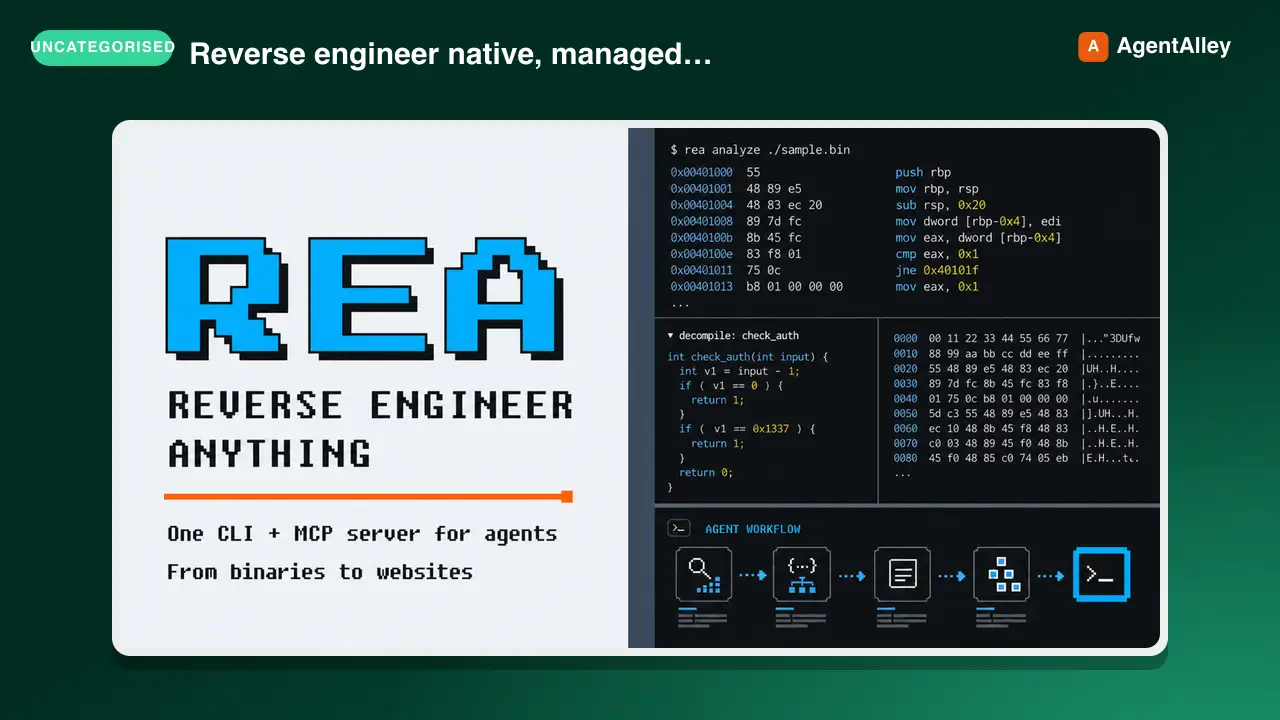 SkillCross-Platform Reverse Engineer
 morluto/rea · by morlutoReverse engineer native, managed, Electron/JavaScript, packaged, firmware, and browser targets with REA. Use shipped-artifact or requested runtime evidence to explain features, compare versions, decompile code, or guide a reconstruction. Skip REA for ordinary source-repository architecture analysis.★ 316k GitHub stars
 SkillBrainstorm Ideas
 obra/superpowers · by obraYou MUST use this before any creative work - creating features, building components, adding functionality, or modifying behavior. Explores user intent, requirements and design before implementation.★ 290k GitHub stars
 SkillCode Review Feedback Analyzerobra/superpowers · by obraUse when receiving code review feedback, before implementing suggestions, especially if feedback seems unclear or technically questionable - requires technical rigor and verification, not performative agreement or blind implementation★ 290k GitHub stars
 SkillBug Diagnosis Framework
 mattpocock/skills · by mattpocockDiagnosis loop for hard bugs and performance regressions. Use when the user says "diagnose"/"debug this", or reports something broken/throwing/failing/slow.★ 267k GitHub stars
 SkillImplement Specmattpocock/skills · by mattpocockImplement the result of /to-spec and /to-tickets in code.★ 267k GitHub stars
 SkillPR Description Writermattpocock/skills · by mattpocockUse when writing a PR body.★ 267k GitHub stars
More from indranilbanerjee
 SkillA/B Test Planner
 indranilbanerjee/digital-marketing-pro · by indranilbanerjeePlan an A/B test by script: sample size per variant, days to run, stopping rules. "how many visitors per variant"★ 866 GitHub stars
 SkillAgency Client Dashboardindranilbanerjee/digital-marketing-pro · by indranilbanerjeeBuild the agency dashboard across all client brands: health, pacing, risk. "how are all our clients doing"★ 866 GitHub stars
 SkillAgent Readiness Auditindranilbanerjee/digital-marketing-pro · by indranilbanerjeeAudit agent readiness by script: AI-crawler rules, product schema, no-JS HTML, feeds. "can AI agents use our site"★ 866 GitHub stars
 SkillMarketing Anomaly Detectorindranilbanerjee/digital-marketing-pro · by indranilbanerjeeScan connected platforms for anomalies against stored baselines, with likely causes. "why did our CPA spike"★ 866 GitHub stars
 SkillAttribution Model Designerindranilbanerjee/digital-marketing-pro · by indranilbanerjeeDesign an attribution model and credit rules. Real path data → attribution-report. "set up multi-touch attribution"★ 866 GitHub stars
 SkillAttribution Model Comparisonindranilbanerjee/digital-marketing-pro · by indranilbanerjeeRun attribution on real conversion paths, comparing models. "which channels actually drive revenue"★ 866 GitHub stars