Problem Statement Structurer
Ambiguity Resolver Skill
Structure vague opportunities and unclear briefs into actionable one-page problem statements. Use when asked to clarify a vague brief, frame an undefined problem, make sense of an unclear opportunity, or when the user says 'we need to…
---
name: ambiguity-resolver
description: "Structure vague opportunities and unclear briefs into actionable one-page problem statements. Use when asked to clarify a vague brief, frame an undefined problem, make sense of an unclear opportunity, or when the user says 'we need to figure out what to do about X' or 'I've been asked to look into Y'. Produces a structured problem brief with reframed questions, scoped boundaries, and a minimum viable research plan."
---

# Ambiguity Resolver Skill

Turn vague briefs and half-formed opportunities into structured, actionable problem statements — so you can reply with clarity instead of asking for three more meetings.

## Required Inputs

Ask the user for these if not provided:
- **The vague brief or opportunity description** (even a single sentence is enough)
- **Who asked for this** (stakeholder context shapes the framing)
- **Known constraints** (timeline, budget, team size — if any are known)

## Three-Stage Process
Overview
Turn vague briefs and half-formed opportunities into structured, actionable problem statements — so you can reply with clarity instead of asking for three more meetings.
Manual install (npx, ZIP)
npx skills add mohitagw15856/pm-claude-skills --skill ambiguity-resolver -g -a claude-codemkdir -p ~/.claude/skills && curl -sL https://codeload.github.com/mohitagw15856/pm-claude-skills/tar.gz/f6ca79348c55 \
| tar -xz -C ~/.claude/skills --strip-components=2 pm-claude-skills-f6ca79348c55/skills/ambiguity-resolverNew-Item -ItemType Directory -Force "$HOME\.claude\skills" | Out-Null; Invoke-WebRequest "https://m.agentalley.io/zip/7fa71df5f64cc8e51d15/ambiguity-resolver.zip" -OutFile "$env:TEMP\ambiguity-resolver.zip"; Expand-Archive "$env:TEMP\ambiguity-resolver.zip" -DestinationPath "$HOME\.claude\skills" -ForceConnects with Agent Alley MCP · agentalley.io/mcp
Files included
SKILL.md4.0 KB
Read the files here
mohitagw15856/
Show the full text88 lines
Ambiguity Resolver Skill
Turn vague briefs and half-formed opportunities into structured, actionable problem statements — so you can reply with clarity instead of asking for three more meetings.
Required Inputs
Ask the user for these if not provided:
- The vague brief or opportunity description (even a single sentence is enough)
- Who asked for this (stakeholder context shapes the framing)
- Known constraints (timeline, budget, team size — if any are known)
Three-Stage Process
Stage 1: Reframe
- Restate the vague input as 3-5 explicit questions that need answering
- Identify the unstated assumptions hidden in the brief
- Surface the real decision this feeds into (what will someone do differently once this is resolved?)
Stage 2: Scope
- Define what is explicitly IN scope
- Define what is explicitly OUT of scope (equally important)
- Identify the deadline pressure: is this urgent/important, important/not urgent, or unclear?
- Name who owns the final decision and who needs to be consulted
Stage 3: Action
- Define the minimum viable research: 2-3 activities maximum that would give enough signal to move forward with confidence
- Time estimate for each activity
- What each activity would tell you (and what it wouldn't)
- Proposed check-in point: when to regroup before committing to more
Validate — Confirm every reframed question maps to at least one research activity. Verify scope boundaries are specific enough to say "no" to something concrete.
Output Structure
Problem Brief: [Opportunity Area]
Restated as questions:
- [Question 1]
- [Question 2]
- [Question 3]
Unstated assumptions we should surface:
- [Assumption 1]
- [Assumption 2]
In scope: [Clear boundary] Out of scope: [Clear boundary] Decision owner: [Name/role] Timeline: [Real deadline if known, or "unclear — recommend setting one"]
Minimum viable research:
| Activity | Time required | What it tells us | What it won't tell us |
|---|---|---|---|
| [activity] | [time] | [insight] | [limitation] |
Proposed check-in: After [activity], regroup to decide whether to proceed or pivot.
Example (Partial)
Input: "We need to figure out what to do about our enterprise customers."
Restated as questions:
- Are enterprise customers churning, underperforming on expansion, or both?
- Is this a product gap, a support/service gap, or a pricing/packaging issue?
- What does "do something" look like — a new initiative, a policy change, or a resource shift?
In scope: Enterprise accounts ($50K+ ARR) showing declining health scores in the last two quarters Out of scope: SMB segment, new enterprise acquisition strategy
Anti-Patterns
- Do not reframe the brief into questions that are still too broad to research — each reframed question must be answerable by a specific activity
- Do not list a research activity without stating what it would tell you and what it would NOT tell you
- Do not leave the decision owner as "leadership" or "the team" — name a specific person or role
- Do not omit an explicit out-of-scope boundary — without it, scope will expand organically and the brief becomes meaningless
Quality Checks
- Every reframed question is specific enough to research (not "how do we improve things?")
- Scope boundaries name something concrete that is excluded
- Research activities are achievable within the stated timeline
- Decision owner is identified (not "leadership" — a specific person or role)
| 1 | |
| 2 | name ambiguity-resolver |
| 3 | description "Structure vague opportunities and unclear briefs into actionable one-page problem statements. Use when asked to clarify a vague brief, frame an undefined problem, make sense of an unclear opportunity, or when the user says 'we need to figure out what to do about X' or 'I've been asked to look into Y'. Produces a structured problem brief with reframed questions, scoped boundaries, and a minimum viable research plan." |
| 4 | |
| 5 | |
| 6 | # Ambiguity Resolver Skill |
| 7 | |
| 8 | Turn vague briefs and half-formed opportunities into structured, actionable problem statements — so you can reply with clarity instead of asking for three more meetings. |
| 9 | |
| 10 | ## Required Inputs |
| 11 | |
| 12 | Ask the user for these if not provided: |
| 13 | **The vague brief or opportunity description** (even a single sentence is enough) |
| 14 | **Who asked for this** (stakeholder context shapes the framing) |
| 15 | **Known constraints** (timeline, budget, team size — if any are known) |
| 16 | |
| 17 | ## Three-Stage Process |
| 18 | |
| 19 | ### Stage 1: Reframe |
| 20 | Restate the vague input as 3-5 explicit questions that need answering |
| 21 | Identify the unstated assumptions hidden in the brief |
| 22 | Surface the real decision this feeds into (what will someone do differently once this is resolved?) |
| 23 | |
| 24 | ### Stage 2: Scope |
| 25 | Define what is explicitly IN scope |
| 26 | Define what is explicitly OUT of scope (equally important) |
| 27 | Identify the deadline pressure: is this urgent/important, important/not urgent, or unclear? |
| 28 | Name who owns the final decision and who needs to be consulted |
| 29 | |
| 30 | ### Stage 3: Action |
| 31 | Define the minimum viable research: 2-3 activities maximum that would give enough signal to move forward with confidence |
| 32 | Time estimate for each activity |
| 33 | What each activity would tell you (and what it wouldn't) |
| 34 | Proposed check-in point: when to regroup before committing to more |
| 35 | |
| 36 | **Validate** — Confirm every reframed question maps to at least one research activity. Verify scope boundaries are specific enough to say "no" to something concrete. |
| 37 | |
| 38 | ## Output Structure |
| 39 | |
| 40 | ### Problem Brief: [Opportunity Area] |
| 41 | |
| 42 | **Restated as questions:** |
| 43 | [Question 1] |
| 44 | [Question 2] |
| 45 | [Question 3] |
| 46 | |
| 47 | **Unstated assumptions we should surface:** |
| 48 | [Assumption 1] |
| 49 | [Assumption 2] |
| 50 | |
| 51 | **In scope:** [Clear boundary] |
| 52 | **Out of scope:** [Clear boundary] |
| 53 | **Decision owner:** [Name/role] |
| 54 | **Timeline:** [Real deadline if known, or "unclear — recommend setting one"] |
| 55 | |
| 56 | **Minimum viable research:** |
| 57 | | Activity | Time required | What it tells us | What it won't tell us | |
| 58 | |----------|--------------|------------------|-----------------------| |
| 59 | | [activity] | [time] | [insight] | [limitation] | |
| 60 | |
| 61 | **Proposed check-in:** After [activity], regroup to decide whether to proceed or pivot. |
| 62 | |
| 63 | ## Example (Partial) |
| 64 | |
| 65 | Input: *"We need to figure out what to do about our enterprise customers."* |
| 66 | |
| 67 | **Restated as questions:** |
| 68 | Are enterprise customers churning, underperforming on expansion, or both? |
| 69 | Is this a product gap, a support/service gap, or a pricing/packaging issue? |
| 70 | What does "do something" look like — a new initiative, a policy change, or a resource shift? |
| 71 | |
| 72 | **In scope:** Enterprise accounts ($50K+ ARR) showing declining health scores in the last two quarters |
| 73 | **Out of scope:** SMB segment, new enterprise acquisition strategy |
| 74 | |
| 75 | ## Anti-Patterns |
| 76 | |
| 77 | [ ] Do not reframe the brief into questions that are still too broad to research — each reframed question must be answerable by a specific activity |
| 78 | [ ] Do not list a research activity without stating what it would tell you and what it would NOT tell you |
| 79 | [ ] Do not leave the decision owner as "leadership" or "the team" — name a specific person or role |
| 80 | [ ] Do not omit an explicit out-of-scope boundary — without it, scope will expand organically and the brief becomes meaningless |
| 81 | |
| 82 | ## Quality Checks |
| 83 | |
| 84 | [ ] Every reframed question is specific enough to research (not "how do we improve things?") |
| 85 | [ ] Scope boundaries name something concrete that is excluded |
| 86 | [ ] Research activities are achievable within the stated timeline |
| 87 | [ ] Decision owner is identified (not "leadership" — a specific person or role) |
| 88 |
Details
- Updated
- Sep 23, 2026
- License
- MIT
- Stars on the repo
- ★ 1,395
- Checked
- Source
- mohitagw15856/pm-claude-skills ↗
- Creator
- mohitagw15856 · 191 listings
Similar skills
See all →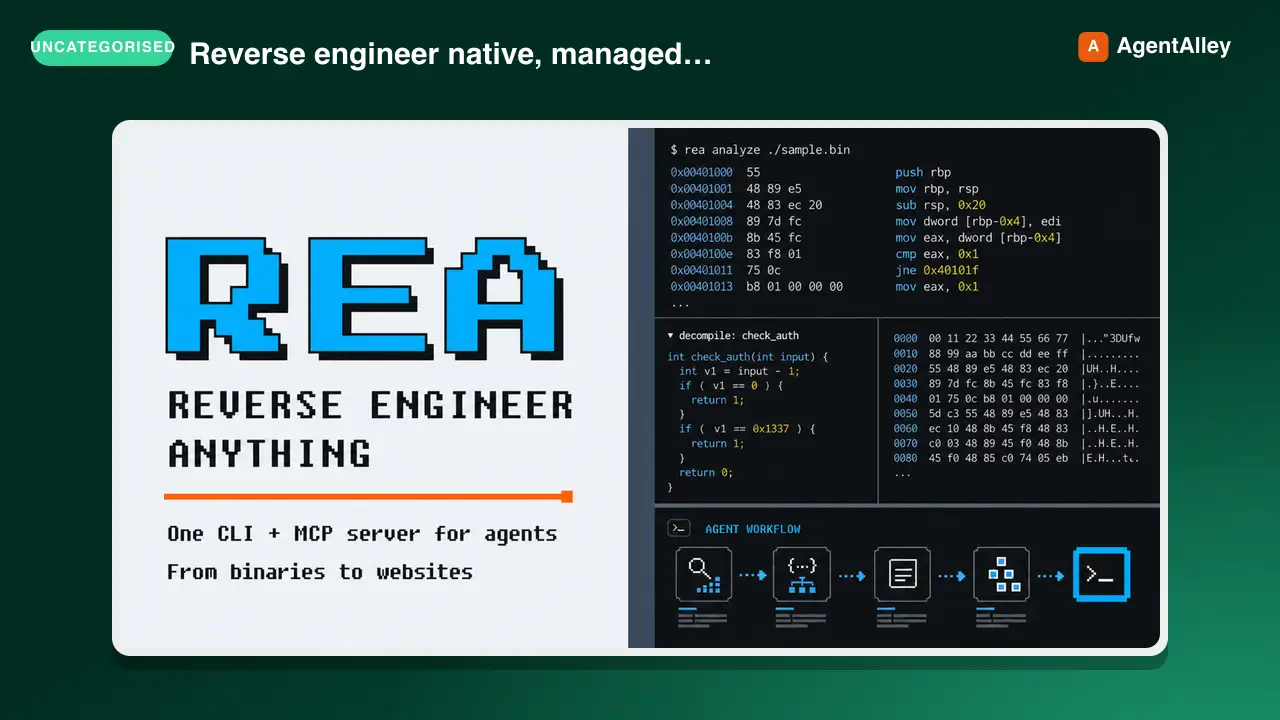 SkillCross-Platform Reverse Engineer
 morluto/rea · by morlutoReverse engineer native, managed, Electron/JavaScript, packaged, firmware, and browser targets with REA. Use shipped-artifact or requested runtime evidence to explain features, compare versions, decompile code, or guide a reconstruction. Skip REA for ordinary source-repository architecture analysis.★ 316k GitHub stars
 SkillBrainstorm Ideas
 obra/superpowers · by obraYou MUST use this before any creative work - creating features, building components, adding functionality, or modifying behavior. Explores user intent, requirements and design before implementation.★ 290k GitHub stars
 SkillCode Review Feedback Analyzerobra/superpowers · by obraUse when receiving code review feedback, before implementing suggestions, especially if feedback seems unclear or technically questionable - requires technical rigor and verification, not performative agreement or blind implementation★ 290k GitHub stars
 SkillBug Diagnosis Framework
 mattpocock/skills · by mattpocockDiagnosis loop for hard bugs and performance regressions. Use when the user says "diagnose"/"debug this", or reports something broken/throwing/failing/slow.★ 267k GitHub stars
 SkillImplement Specmattpocock/skills · by mattpocockImplement the result of /to-spec and /to-tickets in code.★ 267k GitHub stars
 SkillPR Description Writermattpocock/skills · by mattpocockUse when writing a PR body.★ 267k GitHub stars
More from mohitagw15856
 Skill360 Feedback Survey
 mohitagw15856/pm-claude-skills · by mohitagw15856Design a 360-degree feedback survey or write a structured 360 feedback report. Use when asked to build a 360 feedback process, write 360 feedback for a colleague, design a feedback survey, or produce a feedback report. Produces either a complete survey instrument with rating scales and open-ended questions, or a structured narrative feedback report with themes, strengths, and development areas.★ 1.4k GitHub stars
 SkillExperiment Design Plannermohitagw15856/pm-claude-skills · by mohitagw15856Design statistically rigorous A/B tests for product features, UI changes, onboarding flows, and pricing experiments. Use when asked to set up an experiment, design an A/B test, calculate sample size, or interpret test results. Produces a complete test plan with hypothesis, variant definitions, sample size, duration estimate, guardrail metrics, and a results interpretation guide.★ 1.4k GitHub stars
 SkillWeb Accessibility Auditormohitagw15856/pm-claude-skills · by mohitagw15856Generate a WCAG 2.2 accessibility audit checklist and remediation suggestions for any UI or design. Use when asked to audit for accessibility, check WCAG compliance, review a design for a11y issues, or create an accessibility remediation plan. Produces a prioritised checklist with pass/fail assessments and specific fixes.★ 1.4k GitHub stars
 SkillKey Account Plannermohitagw15856/pm-claude-skills · by mohitagw15856Build a structured account plan for any key customer or target account. Use when asked to create an account plan, key account strategy, strategic account review, or territory plan. Produces a complete account plan with relationship map, growth opportunities, risks, and 90-day action plan.★ 1.4k GitHub stars
 SkillAEO Optimizermohitagw15856/pm-claude-skills · by mohitagw15856Optimize an article for Answer Engine Optimization (AEO) so AI engines like ChatGPT, Perplexity, and Claude can extract, quote, and cite it. Use when asked to AEO-optimize, make content AI-readable, improve AI citation chances, or adapt an article for answer engines. Produces an AEO-optimised rewrite with question headings, 50–80 word answer capsules, a paragraph-length audit, and flagged trust signals.★ 1.4k GitHub stars
 SkillAI Ethics Review Conductormohitagw15856/pm-claude-skills · by mohitagw15856Conduct a structured ethical review of an AI or ML feature, model, or product. Use when preparing to deploy an AI system, assessing algorithmic risk, auditing a model for bias, or producing a responsible AI impact assessment. Produces a structured ethics review covering fairness, transparency, privacy, safety, accountability, and societal impact with a risk tier score, pre-deployment checklist, and prioritised mitigations.★ 1.4k GitHub stars