Client Intake Form
20 client intake brief global
Use when an agency or freelancer takes on a NEW client and needs everything up front — an 11-section intake covering business overview, audience, current marketing, goals, budget, timeline, brand assets, approval process, and success…
---
name: 20-client-intake-brief-global
description: "Use when an agency or freelancer takes on a NEW client and needs everything up front — an 11-section intake covering business overview, audience, current marketing, goals, budget, timeline, brand assets, approval process, and success criteria, written for the client to fill in and return. Trigger on 'client intake', 'agency brief', 'onboard a new client', 'discovery call template', 'what should I ask a new client', 'kickoff questionnaire'. Also use when the user just signed someone and does not know where to begin. Not for — the internal context file the skills read, see `product-marketing-context-global`; the plan built from the answers, see `00-marketing-plan-global`; briefing an outside vendor, see `67-agency-vendor-brief-global`."
metadata:
  version: 1.0.1
  category: operations
  language: en
license: MIT
triggers:
  - "client intake"
  - "agency brief"
  - "new client onboarding"
  - "project kickoff brief"
  - "discovery call template"
output: A .md file containing 11-section client intake brief that the client fills in and returns to the agency. The completed brief is the input gate for downstream skills (00, 02, 08, 09, 10).
related:
  - product-marketing-context-global
  - 00-marketing-plan-global
Overview
A bad intake produces a bad plan. Most agency-client relationships fail in the first 30 days because the agency built a strategy on assumptions instead of facts.
Manual install (npx, ZIP)
npx skills add minhnv0807/ai-business-skills --skill 20-client-intake-brief-global -g -a claude-codenpx degit minhnv0807/ai-business-skills/skills/en/20-client-intake-brief-global#master ~/.claude/skills/20-client-intake-brief-globalConnects with Agent Alley MCP · agentalley.io/mcp
Files included
SKILL.md17.1 KB
Read SKILL.md here
Show the full text342 lines
Client Intake Brief (Global, Generic)
Role of this skill: This is the input gate for every marketing engagement.
Other "brief" skills are produced by the agency for internal teams or vendors:
02-campaign-brief-global— agency drafts for execution team06-ugc-egc-brief-global— agency drafts for creators12-landing-page-brief-global— agency drafts for designers/devsThis skill is different — it is the document the client fills in for the agency so the agency has structured input to plan from.
Note on industry variants: v2.5 ships a single generic English template. Industry-specific variants (SaaS, DTC, healthcare, real estate, etc.) may be added in v2.6+ based on demand. The generic template is designed to work across categories — agencies should add 1–2 industry-specific questions in Section B and Section I as needed.
For Newbies
A bad intake produces a bad plan. Most agency-client relationships fail in the first 30 days because the agency built a strategy on assumptions instead of facts.
This brief is your insurance policy. It forces the client to write down what they often only carry in their head — their actual customer, their real budget, what success means to them, what they've already tried, what's off-limits.
Two failure modes to avoid:
- Brief is too short — agency starts work with 5 lines of context, makes wrong assumptions, three rounds of revisions follow.
- Brief is too long — client abandons it halfway, fills the rest with "TBD," agency starts work blind anyway.
The 11-section template below is the minimum viable intake — designed to be completable in 30–45 minutes by a non-marketer founder.
When to Use This Skill
| Situation | Use this skill? |
|---|---|
| New client inquiry — collect info before quoting | YES |
| Starting a new marketing project — need structured input | YES |
| Re-brief when client expands scope or pivots goals | YES |
| Onboarding a long-term retainer client | YES |
Already have full context from extensive discovery calls — go straight to 00-marketing-plan-global |
NO |
Step 0 — Read Context
Read .agents/product-marketing-context-global.md if it exists. The agency may already have brand-voice or template preferences captured.
Step 1 — Information Gathering
Ask the agency lead up to 4 questions:
- What is the client's industry? (SaaS, DTC ecommerce, healthcare, education, real estate, professional services, etc.) — used to tailor Section B and I
- Client size? (Solo founder / SMB / Mid-market / Enterprise / Agency-of-record relationship)
- Project type? (Launch / Re-launch / Scale / Long-term retainer / Single campaign)
- Delivery format? (Fillable .md sent by email / Notion doc / Google Form / Typeform / printed in-person)
The 11-Section Intake Template
Designed to flow from easy (basics) to hard (strategic decisions), so the client builds momentum.
A. Business Overview
The "who are you" section. Quick to fill, builds confidence.
- A1. Legal company name (and trading name if different)
- A2. Year founded
- A3. Founder(s) and key leadership — name, role, LinkedIn
- A4. One-sentence description of what you do
- A5. Annual revenue range — checkbox: pre-revenue / <$100K / $100K–$500K / $500K–$2M / $2M–$10M / $10M+ / prefer not to say
- A6. Geographic markets served (current)
- A7. Geographic markets you want to reach (future)
- A8. Mission / brand philosophy (2–3 lines)
- A9. Tagline or brand promise (if you have one)
B. Products & Services
The "what you sell" section. The most industry-specific section — adapt sub-questions to the client's category.
- B1. Core products/services/packages — table: name | description | price (or range)
- B2. Best-selling product/service and approximate % of revenue
- B3. New products/services launching in next 6 months
- B4. What problem does your offering solve?
- B5. Top 3 USPs — what makes you different from competitors
- B6. Premium / mid-market / value pricing tier — and why
- B7. Bundle / upsell / cross-sell opportunities
C. Target Audience
The "who buys" section. Critical for downstream insight work.
- C1. Ideal customer in 2–3 sentences
- C2. Demographics — age range, gender split, income / company size, location, occupation / industry, education (if relevant)
- C3. Psychographics — what they care about, fear, aspire to
- C4. Buying behavior — discovery channels, decision cycle length, who else is involved, where they research
- C5. Existing personas: detailed (please attach) / rough idea (described) / none yet (agency to build)
- C6. Customer reviews / testimonials we should see — links or attachments
D. Competitive Landscape & Positioning
- D1. Top 3 direct competitors — table: name | website | what they do well | what they do poorly
- D2. Top 2 indirect competitors (different offering, same audience)
- D3. Substitutes — what customers use instead of buying anything
- D4. Current market position — checkbox: premium leader / premium challenger / mid-market mainstream / value/low-cost / niche specialist / not sure (agency to recommend)
- D5. Where you want to sit in 12 months
- D6. Brands you admire (in or out of your industry) and why
E. Campaign / Project Goals
The "what does success look like" section. Forces measurable thinking.
- E1. Primary objective — checkbox: brand awareness / lead generation / sales-revenue / product launch / repositioning / retention-loyalty / international expansion / other
- E2. Specific KPIs — for each: metric, target number, deadline (provide 3 KPI rows)
- E3. Long-term goal (12–24 months out)
- E4. What does failure look like? What outcomes would make this engagement a waste?
- E5. How will you measure ROI on this engagement?
F. Budget & Timeline
- F1. Total budget — checkbox: <$5K / $5K–$25K / $25K–$100K / $100K–$500K / $500K+ / need agency recommendation
- F2. Budget split (best estimate) — strategy & creative / paid media / production (video, design, copy) / tools & tech / agency fees, as percentages
- F3. Project start date
- F4. Critical milestones — launches, events, seasons
- F5. Hard deadlines that can't move
- F6. Engagement type — checkbox: one-off / 3-month / 6-month / ongoing retainer
G. Current Resources
- G1. In-house team relevant to this engagement — table: role | name | hours/week available
- G2. Existing agency or freelancer relationships
- G3. In-house production capability — checkbox: photo/video / copy / design / web dev / email / paid media / influencer relationships / none
- G4. Tools you already pay for and want to keep using
- G5. Founder availability for content (interviews, founder-led video) — yes / limited / no
H. Existing Digital Assets
- H1. Active channels — for each: handle/URL, follower count: website / Instagram / TikTok / LinkedIn / YouTube / Facebook / Twitter-X / Pinterest / other
- H2. Email list — platform, list size, average open rate, average click rate
- H3. CRM / customer database — platform, customer count, data quality (clean & segmented / partial / messy)
- H4. Analytics setup — checkbox: GA4 installed and tagged / Meta Pixel / TikTok Pixel / server-side tracking / none-or-unsure
- H5. Ad accounts and historical spend — Meta, Google, TikTok, LinkedIn, other (lifetime + current monthly per platform)
- H6. Best-performing past campaigns — share if available
I. Creative Requirements & Constraints
- I1. Brand voice — checkbox (multi-select): professional/corporate / friendly/conversational / witty/playful / authoritative/expert / inspirational/aspirational / edgy/provocative / warm/nurturing / minimal/understated
- I2. Brands whose tone of voice you admire
- I3. Visual / aesthetic direction — reference brands or moodboards, color palette (if defined), typography (if defined)
- I4. Do's — things to lean into
- I5. Don'ts — things to avoid
- I6. Legal, regulatory, compliance constraints — industry regulations (healthcare claims, financial advice, alcohol marketing), trademark restrictions, required disclaimers, accessibility (WCAG, ADA)
- I7. Languages and markets — primary language(s), localization required for which markets
- I8. Approval process — who signs off on creative, typical turnaround
J. Desired Deliverables
- J1. Strategy deliverables — checkbox: marketing plan / audience research / competitive audit / positioning / channel strategy / content strategy / measurement framework
- J2. Creative deliverables — checkbox: brand identity refresh / website-landing pages / ad creative (static, video, UGC) / email templates / social content / photo-video production
- J3. Operations deliverables — checkbox: paid media management / email automation / analytics & dashboard / influencer-creator outreach / PR & earned media
- J4. Reporting cadence — checkbox: weekly / bi-weekly / monthly / quarterly
K. Additional Information
- K1. Attachments to share — checkbox: brand guidelines / past campaign results / customer survey data / sales-CRM data / competitor screenshots / other
- K2. What's something about your business or audience an outsider would never guess?
- K3. What past marketing experiments worked unexpectedly well?
- K4. What past marketing experiments failed and why?
- K5. Questions you want the agency to answer in our next call
- K6. Anything else we should know
Discovery Call Script (use this brief as the agenda)
If you fill this in collaboratively on a discovery call rather than sending it ahead:
- Welcome (3 min) — agency intro, confirm goals of the call
- Section A walk-through (5 min) — quick business overview
- Sections B–C (15 min) — products and target audience deep dive
- Section D (10 min) — competitive landscape, positioning aspiration
- Section E (10 min) — pin down specific KPIs with numbers
- Section F (10 min) — budget reality-check and timeline
- Sections G–H (10 min) — what's already in place
- Section I (10 min) — brand voice, references, constraints
- Sections J–K (5 min) — confirm deliverables, capture extras
- Wrap-up (2 min) — confirm next steps and proposal timeline
Total: ~80 minutes. Schedule 90 to leave buffer.
How the Skill Runs
Step 1 — Detect industry
From the agency lead's input, identify the client's industry. The generic v2.5 template adapts via the agency adding 1–2 industry-specific questions to Sections B and I.
Step 2 — Generate the brief file
- File name:
client-intake-brief-[client-name]-[YYYYMMDD].md - Example:
client-intake-brief-acme-saas-20260508.md
Step 3 — Render the full template
Render all 11 sections (A–K) as a fillable document. Use checkboxes where the question is multi-choice, text fields where it's open. Add example answers below questions where the client may not know how to respond.
Step 4 — Add agency cover note
Cover note at the top:
- Agency name and contact for questions
- Estimated time to complete (30–45 minutes)
- Submission deadline (default: 5–7 business days)
- What happens after they submit (review meeting + plan v1 timeline)
- Confidentiality statement
Step 5 — Auto-trigger downstream skills
Once the client returns the completed brief, automatically suggest:
20-client-intake-brief-global (input received)
   |
   |-- [Next 1] 09-customer-insight-global    → Deep persona work from Section C
   |-- [Next 2] 08-competitor-research-global → Detailed audit of Section D
   |-- [Next 3] 10-reverse-kpi-calc-global    → Reverse-engineer Section E targets
   |-- [Next 4] 00-marketing-plan-global      → Synthesize into full plan
   |-- [Next 5] 02-campaign-brief-global      → Specific campaign brief(s)
Universal Brief Design Principles
1. Friendly to non-marketers
- Avoid jargon (TOFU, ROAS, CPA, MQL, SQL) without explanation
- Provide example answers below each question
- Add a "Don't know — please advise" option to questions that require expertise
2. Structured > open-ended
- Prefer checkboxes and radio buttons for structured data
- Use 2–3 column tables for comparable items (competitors, products, team)
- Reserve long-form text only for persona, story, and constraints
3. Easy → hard ordering
- Start with simple business basics (Section A)
- Build up to strategic and budget decisions (Sections E–F)
- End with reflective questions (Section K)
- Client builds momentum, doesn't quit on question 3
4. Time-respectful
- 30–45 minutes total to complete
- Add a progress indicator ("Section A of 11")
- Optional sections marked clearly so client can return later
5. Closing commitment
- Client signs off that information is accurate
- Agency commits to confidentiality and use limitation
- Clear timeline (24-hour confirmation, 5–7 business day plan v1)
Red Flags Checklist (review the returned brief)
When the client sends the brief back, scan for these warning signs before quoting:
- "TBD" in too many fields — they haven't done the homework. Schedule a working session.
- Budget mismatched to goals — "$5K to launch internationally" requires re-scoping or re-targeting.
- No measurable KPIs — Section E filled with adjectives ("more leads"). Force numbers before quoting.
- Timeline impossible — wants results "in 2 weeks" with no audience, no list, no creative. Re-set expectations.
- Decision-maker not engaged — brief filled by junior staff, principal hasn't seen it. Pause until you have leadership alignment.
- Conflicting stakeholders — Section I "do's" contradict each other (e.g., "premium luxury feel" + "aggressive discount campaigns").
- No data, no tracking — Section H mostly blank. Plan needs to budget for measurement setup before optimization work.
- Recently fired previous agency — Section G mentions a prior agency relationship that ended. Get the why before signing.
- Compliance landmines — Section I mentions a regulated category (health, finance, alcohol, gambling) without legal contact. Add legal review to scope.
Quality Checklist (before sending to client)
Content
- All 11 sections (A–K) present
- Each question has an example answer or industry-relevant prompt
- All terminology accessible to a non-marketer
- "Don't know — advise" option present on expertise-heavy questions
- Tone matches agency brand (formal / casual / boutique)
Structure
- Header includes agency contact, send date, return-by date
- All tables have clear column headers
- Checkboxes use consistent Markdown format
- Next Steps section at the bottom
- Confidentiality statement included
Industry adaptation (if applied)
- Section B has 1–2 industry-specific product/service questions
- Section I includes industry-specific compliance constraints
- Persona examples in Section C reflect the client's category
- Competitive examples in Section D are realistic for the industry
Linked Skills
00-marketing-plan-global— once the brief returns, build the full marketing plan02-campaign-brief-global— turn the plan into specific campaign briefs08-competitor-research-global— expand Section D into detailed competitive intelligence09-customer-insight-global— expand Section C into deep persona research10-reverse-kpi-calc-global— turn Section E targets into reverse-engineered funnel math
Notes for v2.6+
Industry variants planned (if demand justifies):
- SaaS / B2B software
- DTC ecommerce (apparel, beauty, F&B)
- Healthcare & wellness
- Real estate
- Online education & coaching
- Professional services (legal, accounting, consulting)
- Restaurants & hospitality
Each variant would override Sections B and I with industry-tuned questions while preserving the 11-section A–K structure.
| 1 | |
| 2 | name 20-client-intake-brief-global |
| 3 | description "Use when an agency or freelancer takes on a NEW client and needs everything up front — an 11-section intake covering business overview, audience, current marketing, goals, budget, timeline, brand assets, approval process, and success criteria, written for the client to fill in and return. Trigger on 'client intake', 'agency brief', 'onboard a new client', 'discovery call template', 'what should I ask a new client', 'kickoff questionnaire'. Also use when the user just signed someone and does not know where to begin. Not for — the internal context file the skills read, see `product-marketing-context-global`; the plan built from the answers, see `00-marketing-plan-global`; briefing an outside vendor, see `67-agency-vendor-brief-global`." |
| 4 | metadata |
| 5 | version 1.0.1 |
| 6 | category operations |
| 7 | language en |
| 8 | license MIT |
| 9 | triggers |
| 10 | - "client intake" |
| 11 | - "agency brief" |
| 12 | - "new client onboarding" |
| 13 | - "project kickoff brief" |
| 14 | - "discovery call template" |
| 15 | output A .md file containing 11-section client intake brief that the client fills in and returns to the agency. The completed brief is the input gate for downstream skills (00, 02, 08, 09, 10). |
| 16 | related |
| 17 | - product-marketing-context-global |
| 18 | - 00-marketing-plan-global |
| 19 | - 02-campaign-brief-global |
| 20 | - 09-customer-insight-global |
| 21 | |
| 22 | |
| 23 | # Client Intake Brief (Global, Generic) |
| 24 | |
| 25 | > **Role of this skill:** This is the **input gate** for every marketing engagement. |
| 26 | > |
| 27 | > Other "brief" skills are produced by the agency *for* internal teams or vendors: |
| 28 | > - `02-campaign-brief-global` — agency drafts for execution team |
| 29 | > - `06-ugc-egc-brief-global` — agency drafts for creators |
| 30 | > - `12-landing-page-brief-global` — agency drafts for designers/devs |
| 31 | > |
| 32 | > This skill is different — it is the document the **client fills in for the agency** so the agency has structured input to plan from. |
| 33 | |
| 34 | > **Note on industry variants:** v2.5 ships a single generic English template. Industry-specific variants (SaaS, DTC, healthcare, real estate, etc.) may be added in v2.6+ based on demand. The generic template is designed to work across categories — agencies should add 1–2 industry-specific questions in Section B and Section I as needed. |
| 35 | |
| 36 | |
| 37 | |
| 38 | ## For Newbies |
| 39 | |
| 40 | A bad intake produces a bad plan. Most agency-client relationships fail in the first 30 days because the agency built a strategy on assumptions instead of facts. |
| 41 | |
| 42 | This brief is your insurance policy. It forces the client to write down what they often only carry in their head — their actual customer, their real budget, what success means to them, what they've already tried, what's off-limits. |
| 43 | |
| 44 | **Two failure modes to avoid:** |
| 45 | **Brief is too short** — agency starts work with 5 lines of context, makes wrong assumptions, three rounds of revisions follow. |
| 46 | **Brief is too long** — client abandons it halfway, fills the rest with "TBD," agency starts work blind anyway. |
| 47 | |
| 48 | The 11-section template below is the minimum viable intake — designed to be completable in 30–45 minutes by a non-marketer founder. |
| 49 | |
| 50 | |
| 51 | |
| 52 | ## When to Use This Skill |
| 53 | |
| 54 | | Situation | Use this skill? | |
| 55 | |-----------|----------------| |
| 56 | | New client inquiry — collect info before quoting | YES | |
| 57 | | Starting a new marketing project — need structured input | YES | |
| 58 | | Re-brief when client expands scope or pivots goals | YES | |
| 59 | | Onboarding a long-term retainer client | YES | |
| 60 | | Already have full context from extensive discovery calls — go straight to `00-marketing-plan-global` | NO | |
| 61 | |
| 62 | |
| 63 | |
| 64 | ## Step 0 — Read Context |
| 65 | |
| 66 | Read `.agents/product-marketing-context-global.md` if it exists. The agency may already have brand-voice or template preferences captured. |
| 67 | |
| 68 | |
| 69 | |
| 70 | ## Step 1 — Information Gathering |
| 71 | |
| 72 | Ask the agency lead up to 4 questions: |
| 73 | |
| 74 | **What is the client's industry?** (SaaS, DTC ecommerce, healthcare, education, real estate, professional services, etc.) — used to tailor Section B and I |
| 75 | **Client size?** (Solo founder / SMB / Mid-market / Enterprise / Agency-of-record relationship) |
| 76 | **Project type?** (Launch / Re-launch / Scale / Long-term retainer / Single campaign) |
| 77 | **Delivery format?** (Fillable .md sent by email / Notion doc / Google Form / Typeform / printed in-person) |
| 78 | |
| 79 | |
| 80 | |
| 81 | ## The 11-Section Intake Template |
| 82 | |
| 83 | Designed to flow from easy (basics) to hard (strategic decisions), so the client builds momentum. |
| 84 | |
| 85 | ### A. Business Overview |
| 86 | |
| 87 | The "who are you" section. Quick to fill, builds confidence. |
| 88 | |
| 89 | A1. Legal company name (and trading name if different) |
| 90 | A2. Year founded |
| 91 | A3. Founder(s) and key leadership — name, role, LinkedIn |
| 92 | A4. One-sentence description of what you do |
| 93 | A5. Annual revenue range — checkbox: pre-revenue / <$100K / $100K–$500K / $500K–$2M / $2M–$10M / $10M+ / prefer not to say |
| 94 | A6. Geographic markets served (current) |
| 95 | A7. Geographic markets you want to reach (future) |
| 96 | A8. Mission / brand philosophy (2–3 lines) |
| 97 | A9. Tagline or brand promise (if you have one) |
| 98 | |
| 99 | ### B. Products & Services |
| 100 | |
| 101 | The "what you sell" section. The most industry-specific section — adapt sub-questions to the client's category. |
| 102 | |
| 103 | B1. Core products/services/packages — table: name | description | price (or range) |
| 104 | B2. Best-selling product/service and approximate % of revenue |
| 105 | B3. New products/services launching in next 6 months |
| 106 | B4. What problem does your offering solve? |
| 107 | B5. Top 3 USPs — what makes you different from competitors |
| 108 | B6. Premium / mid-market / value pricing tier — and why |
| 109 | B7. Bundle / upsell / cross-sell opportunities |
| 110 | |
| 111 | ### C. Target Audience |
| 112 | |
| 113 | The "who buys" section. Critical for downstream insight work. |
| 114 | |
| 115 | C1. Ideal customer in 2–3 sentences |
| 116 | C2. Demographics — age range, gender split, income / company size, location, occupation / industry, education (if relevant) |
| 117 | C3. Psychographics — what they care about, fear, aspire to |
| 118 | C4. Buying behavior — discovery channels, decision cycle length, who else is involved, where they research |
| 119 | C5. Existing personas: detailed (please attach) / rough idea (described) / none yet (agency to build) |
| 120 | C6. Customer reviews / testimonials we should see — links or attachments |
| 121 | |
| 122 | ### D. Competitive Landscape & Positioning |
| 123 | |
| 124 | D1. Top 3 direct competitors — table: name | website | what they do well | what they do poorly |
| 125 | D2. Top 2 indirect competitors (different offering, same audience) |
| 126 | D3. Substitutes — what customers use instead of buying anything |
| 127 | D4. Current market position — checkbox: premium leader / premium challenger / mid-market mainstream / value/low-cost / niche specialist / not sure (agency to recommend) |
| 128 | D5. Where you want to sit in 12 months |
| 129 | D6. Brands you admire (in or out of your industry) and why |
| 130 | |
| 131 | ### E. Campaign / Project Goals |
| 132 | |
| 133 | The "what does success look like" section. Forces measurable thinking. |
| 134 | |
| 135 | E1. Primary objective — checkbox: brand awareness / lead generation / sales-revenue / product launch / repositioning / retention-loyalty / international expansion / other |
| 136 | E2. Specific KPIs — for each: metric, target number, deadline (provide 3 KPI rows) |
| 137 | E3. Long-term goal (12–24 months out) |
| 138 | E4. What does failure look like? What outcomes would make this engagement a waste? |
| 139 | E5. How will you measure ROI on this engagement? |
| 140 | |
| 141 | ### F. Budget & Timeline |
| 142 | |
| 143 | F1. Total budget — checkbox: <$5K / $5K–$25K / $25K–$100K / $100K–$500K / $500K+ / need agency recommendation |
| 144 | F2. Budget split (best estimate) — strategy & creative / paid media / production (video, design, copy) / tools & tech / agency fees, as percentages |
| 145 | F3. Project start date |
| 146 | F4. Critical milestones — launches, events, seasons |
| 147 | F5. Hard deadlines that can't move |
| 148 | F6. Engagement type — checkbox: one-off / 3-month / 6-month / ongoing retainer |
| 149 | |
| 150 | ### G. Current Resources |
| 151 | |
| 152 | G1. In-house team relevant to this engagement — table: role | name | hours/week available |
| 153 | G2. Existing agency or freelancer relationships |
| 154 | G3. In-house production capability — checkbox: photo/video / copy / design / web dev / email / paid media / influencer relationships / none |
| 155 | G4. Tools you already pay for and want to keep using |
| 156 | G5. Founder availability for content (interviews, founder-led video) — yes / limited / no |
| 157 | |
| 158 | ### H. Existing Digital Assets |
| 159 | |
| 160 | H1. Active channels — for each: handle/URL, follower count: website / Instagram / TikTok / LinkedIn / YouTube / Facebook / Twitter-X / Pinterest / other |
| 161 | H2. Email list — platform, list size, average open rate, average click rate |
| 162 | H3. CRM / customer database — platform, customer count, data quality (clean & segmented / partial / messy) |
| 163 | H4. Analytics setup — checkbox: GA4 installed and tagged / Meta Pixel / TikTok Pixel / server-side tracking / none-or-unsure |
| 164 | H5. Ad accounts and historical spend — Meta, Google, TikTok, LinkedIn, other (lifetime + current monthly per platform) |
| 165 | H6. Best-performing past campaigns — share if available |
| 166 | |
| 167 | ### I. Creative Requirements & Constraints |
| 168 | |
| 169 | I1. Brand voice — checkbox (multi-select): professional/corporate / friendly/conversational / witty/playful / authoritative/expert / inspirational/aspirational / edgy/provocative / warm/nurturing / minimal/understated |
| 170 | I2. Brands whose tone of voice you admire |
| 171 | I3. Visual / aesthetic direction — reference brands or moodboards, color palette (if defined), typography (if defined) |
| 172 | I4. Do's — things to lean into |
| 173 | I5. Don'ts — things to avoid |
| 174 | I6. Legal, regulatory, compliance constraints — industry regulations (healthcare claims, financial advice, alcohol marketing), trademark restrictions, required disclaimers, accessibility (WCAG, ADA) |
| 175 | I7. Languages and markets — primary language(s), localization required for which markets |
| 176 | I8. Approval process — who signs off on creative, typical turnaround |
| 177 | |
| 178 | ### J. Desired Deliverables |
| 179 | |
| 180 | J1. Strategy deliverables — checkbox: marketing plan / audience research / competitive audit / positioning / channel strategy / content strategy / measurement framework |
| 181 | J2. Creative deliverables — checkbox: brand identity refresh / website-landing pages / ad creative (static, video, UGC) / email templates / social content / photo-video production |
| 182 | J3. Operations deliverables — checkbox: paid media management / email automation / analytics & dashboard / influencer-creator outreach / PR & earned media |
| 183 | J4. Reporting cadence — checkbox: weekly / bi-weekly / monthly / quarterly |
| 184 | |
| 185 | ### K. Additional Information |
| 186 | |
| 187 | K1. Attachments to share — checkbox: brand guidelines / past campaign results / customer survey data / sales-CRM data / competitor screenshots / other |
| 188 | K2. What's something about your business or audience an outsider would never guess? |
| 189 | K3. What past marketing experiments worked unexpectedly well? |
| 190 | K4. What past marketing experiments failed and why? |
| 191 | K5. Questions you want the agency to answer in our next call |
| 192 | K6. Anything else we should know |
| 193 | |
| 194 | |
| 195 | |
| 196 | ## Discovery Call Script (use this brief as the agenda) |
| 197 | |
| 198 | If you fill this in collaboratively on a discovery call rather than sending it ahead: |
| 199 | |
| 200 | **Welcome (3 min)** — agency intro, confirm goals of the call |
| 201 | **Section A walk-through (5 min)** — quick business overview |
| 202 | **Sections B–C (15 min)** — products and target audience deep dive |
| 203 | **Section D (10 min)** — competitive landscape, positioning aspiration |
| 204 | **Section E (10 min)** — pin down specific KPIs with numbers |
| 205 | **Section F (10 min)** — budget reality-check and timeline |
| 206 | **Sections G–H (10 min)** — what's already in place |
| 207 | **Section I (10 min)** — brand voice, references, constraints |
| 208 | **Sections J–K (5 min)** — confirm deliverables, capture extras |
| 209 | **Wrap-up (2 min)** — confirm next steps and proposal timeline |
| 210 | |
| 211 | Total: ~80 minutes. Schedule 90 to leave buffer. |
| 212 | |
| 213 | |
| 214 | |
| 215 | ## How the Skill Runs |
| 216 | |
| 217 | ### Step 1 — Detect industry |
| 218 | From the agency lead's input, identify the client's industry. The generic v2.5 template adapts via the agency adding 1–2 industry-specific questions to Sections B and I. |
| 219 | |
| 220 | ### Step 2 — Generate the brief file |
| 221 | File name: `client-intake-brief-[client-name]-[YYYYMMDD].md` |
| 222 | Example: `client-intake-brief-acme-saas-20260508.md` |
| 223 | |
| 224 | ### Step 3 — Render the full template |
| 225 | Render all 11 sections (A–K) as a fillable document. Use checkboxes where the question is multi-choice, text fields where it's open. Add example answers below questions where the client may not know how to respond. |
| 226 | |
| 227 | ### Step 4 — Add agency cover note |
| 228 | Cover note at the top: |
| 229 | Agency name and contact for questions |
| 230 | Estimated time to complete (30–45 minutes) |
| 231 | Submission deadline (default: 5–7 business days) |
| 232 | What happens after they submit (review meeting + plan v1 timeline) |
| 233 | Confidentiality statement |
| 234 | |
| 235 | ### Step 5 — Auto-trigger downstream skills |
| 236 | Once the client returns the completed brief, automatically suggest: |
| 237 | |
| 238 | |
| 239 | 20-client-intake-brief-global (input received) |
| 240 | | |
| 241 | |-- [Next 1] 09-customer-insight-global → Deep persona work from Section C |
| 242 | |-- [Next 2] 08-competitor-research-global → Detailed audit of Section D |
| 243 | |-- [Next 3] 10-reverse-kpi-calc-global → Reverse-engineer Section E targets |
| 244 | |-- [Next 4] 00-marketing-plan-global → Synthesize into full plan |
| 245 | |-- [Next 5] 02-campaign-brief-global → Specific campaign brief(s) |
| 246 | |
| 247 | |
| 248 | |
| 249 | |
| 250 | ## Universal Brief Design Principles |
| 251 | |
| 252 | ### 1. Friendly to non-marketers |
| 253 | Avoid jargon (TOFU, ROAS, CPA, MQL, SQL) without explanation |
| 254 | Provide example answers below each question |
| 255 | Add a "Don't know — please advise" option to questions that require expertise |
| 256 | |
| 257 | ### 2. Structured > open-ended |
| 258 | Prefer checkboxes and radio buttons for structured data |
| 259 | Use 2–3 column tables for comparable items (competitors, products, team) |
| 260 | Reserve long-form text only for persona, story, and constraints |
| 261 | |
| 262 | ### 3. Easy → hard ordering |
| 263 | Start with simple business basics (Section A) |
| 264 | Build up to strategic and budget decisions (Sections E–F) |
| 265 | End with reflective questions (Section K) |
| 266 | Client builds momentum, doesn't quit on question 3 |
| 267 | |
| 268 | ### 4. Time-respectful |
| 269 | 30–45 minutes total to complete |
| 270 | Add a progress indicator ("Section A of 11") |
| 271 | Optional sections marked clearly so client can return later |
| 272 | |
| 273 | ### 5. Closing commitment |
| 274 | Client signs off that information is accurate |
| 275 | Agency commits to confidentiality and use limitation |
| 276 | Clear timeline (24-hour confirmation, 5–7 business day plan v1) |
| 277 | |
| 278 | |
| 279 | |
| 280 | ## Red Flags Checklist (review the returned brief) |
| 281 | |
| 282 | When the client sends the brief back, scan for these warning signs before quoting: |
| 283 | |
| 284 | [ ] **"TBD" in too many fields** — they haven't done the homework. Schedule a working session. |
| 285 | [ ] **Budget mismatched to goals** — "$5K to launch internationally" requires re-scoping or re-targeting. |
| 286 | [ ] **No measurable KPIs** — Section E filled with adjectives ("more leads"). Force numbers before quoting. |
| 287 | [ ] **Timeline impossible** — wants results "in 2 weeks" with no audience, no list, no creative. Re-set expectations. |
| 288 | [ ] **Decision-maker not engaged** — brief filled by junior staff, principal hasn't seen it. Pause until you have leadership alignment. |
| 289 | [ ] **Conflicting stakeholders** — Section I "do's" contradict each other (e.g., "premium luxury feel" + "aggressive discount campaigns"). |
| 290 | [ ] **No data, no tracking** — Section H mostly blank. Plan needs to budget for measurement setup before optimization work. |
| 291 | [ ] **Recently fired previous agency** — Section G mentions a prior agency relationship that ended. Get the why before signing. |
| 292 | [ ] **Compliance landmines** — Section I mentions a regulated category (health, finance, alcohol, gambling) without legal contact. Add legal review to scope. |
| 293 | |
| 294 | |
| 295 | |
| 296 | ## Quality Checklist (before sending to client) |
| 297 | |
| 298 | ### Content |
| 299 | [ ] All 11 sections (A–K) present |
| 300 | [ ] Each question has an example answer or industry-relevant prompt |
| 301 | [ ] All terminology accessible to a non-marketer |
| 302 | [ ] "Don't know — advise" option present on expertise-heavy questions |
| 303 | [ ] Tone matches agency brand (formal / casual / boutique) |
| 304 | |
| 305 | ### Structure |
| 306 | [ ] Header includes agency contact, send date, return-by date |
| 307 | [ ] All tables have clear column headers |
| 308 | [ ] Checkboxes use consistent Markdown format |
| 309 | [ ] Next Steps section at the bottom |
| 310 | [ ] Confidentiality statement included |
| 311 | |
| 312 | ### Industry adaptation (if applied) |
| 313 | [ ] Section B has 1–2 industry-specific product/service questions |
| 314 | [ ] Section I includes industry-specific compliance constraints |
| 315 | [ ] Persona examples in Section C reflect the client's category |
| 316 | [ ] Competitive examples in Section D are realistic for the industry |
| 317 | |
| 318 | |
| 319 | |
| 320 | ## Linked Skills |
| 321 | |
| 322 | **`00-marketing-plan-global`** — once the brief returns, build the full marketing plan |
| 323 | **`02-campaign-brief-global`** — turn the plan into specific campaign briefs |
| 324 | **`08-competitor-research-global`** — expand Section D into detailed competitive intelligence |
| 325 | **`09-customer-insight-global`** — expand Section C into deep persona research |
| 326 | **`10-reverse-kpi-calc-global`** — turn Section E targets into reverse-engineered funnel math |
| 327 | |
| 328 | |
| 329 | |
| 330 | ## Notes for v2.6+ |
| 331 | |
| 332 | Industry variants planned (if demand justifies): |
| 333 | SaaS / B2B software |
| 334 | DTC ecommerce (apparel, beauty, F&B) |
| 335 | Healthcare & wellness |
| 336 | Real estate |
| 337 | Online education & coaching |
| 338 | Professional services (legal, accounting, consulting) |
| 339 | Restaurants & hospitality |
| 340 | |
| 341 | Each variant would override Sections B and I with industry-tuned questions while preserving the 11-section A–K structure. |
| 342 |
Details
- License
- MIT
- Stars on the repo
- ★ 599
- Checked
- Source
- minhnv0807/ai-business-skills ↗
- Creator
- minhnv0807 · 150 listings
Similar skills
See all →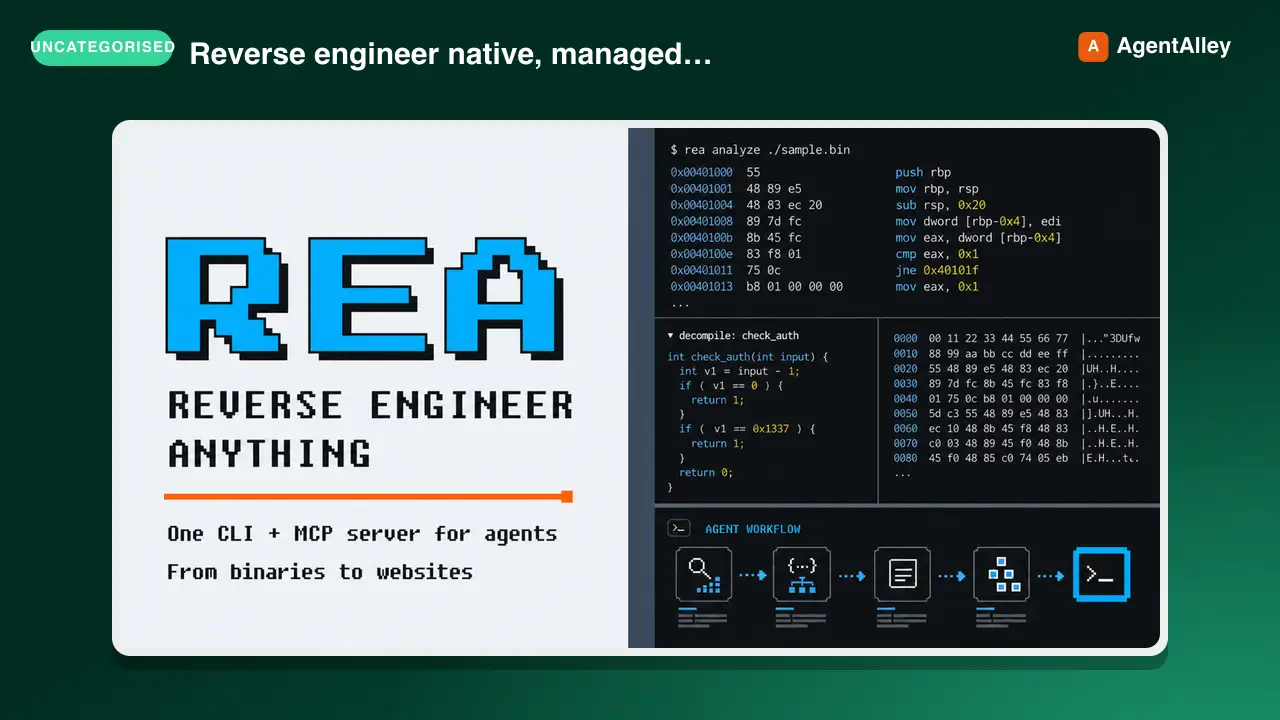 SkillCross-Platform Reverse Engineer
 morluto/rea · by morlutoReverse engineer native, managed, Electron/JavaScript, packaged, firmware, and browser targets with REA. Use shipped-artifact or requested runtime evidence to explain features, compare versions, decompile code, or guide a reconstruction. Skip REA for ordinary source-repository architecture analysis.★ 316k GitHub stars
 SkillBrainstorm Ideas
 obra/superpowers · by obraYou MUST use this before any creative work - creating features, building components, adding functionality, or modifying behavior. Explores user intent, requirements and design before implementation.★ 290k GitHub stars
 SkillCode Review Feedback Analyzerobra/superpowers · by obraUse when receiving code review feedback, before implementing suggestions, especially if feedback seems unclear or technically questionable - requires technical rigor and verification, not performative agreement or blind implementation★ 290k GitHub stars
 SkillBug Diagnosis Framework
 mattpocock/skills · by mattpocockDiagnosis loop for hard bugs and performance regressions. Use when the user says "diagnose"/"debug this", or reports something broken/throwing/failing/slow.★ 267k GitHub stars
 SkillImplement Specmattpocock/skills · by mattpocockImplement the result of /to-spec and /to-tickets in code.★ 267k GitHub stars
 SkillPR Description Writermattpocock/skills · by mattpocockUse when writing a PR body.★ 267k GitHub stars
More from minhnv0807
 SkillMarketing Plan Builder
 minhnv0807/ai-business-skills · by minhnv0807Dung khi can ke hoach marketing tong the cho mot ky — muc tieu, phan khuc, kenh, ngan sach, timeline, KPI va ma tran rui ro. Co ca che do ban day du va che do ke hoach 1 trang cho chu doanh nghiep nho. Kich hoat khi user nhac 'lap ke hoach marketing', 'ke hoach MKT', 'marketing plan', 'chien luoc marketing nam', 'plan quy toi', 'ke hoach 1 trang'. Khong dung cho — tinh nguoc ngan sach tu doanh thu thi dung skill 10-tinh-kpi-nguoc; phan bo ngan sach chi tiet theo kenh thi dung skill 61-budget-planning; brief mot chien dich cu the thi dung skill 02-brief-chien-dich.★ 599 GitHub stars
 SkillOverall Marketing Strategyminhnv0807/ai-business-skills · by minhnv0807Use when the user needs an overall marketing plan for a period — objectives, segments, positioning, channel mix, content direction, budget, timeline, KPIs, and a risk matrix, adapted to US, EU, SEA, or LATAM. Trigger on 'marketing plan', 'marketing strategy for next year', 'go-to-market roadmap', 'plan for Q3', 'we have no marketing plan', 'where should we spend next quarter'. Also use when a founder only says the business needs to grow and has no idea which channel to start with. Not for — one specific campaign, see `02-campaign-brief-global`; working backward from a revenue goal to spend, see `10-reverse-kpi-global`; splitting a budget across channels and months, see `61-budget-planning-global`; taking a brand new product to market, see `59-go-to-market-global`.★ 599 GitHub stars
 SkillContent Calendar Plannerminhnv0807/ai-business-skills · by minhnv0807Use when the user needs a monthly or weekly content calendar — posting schedule per channel, funnel ratio, content pillars, repurposing matrix, and an owner per slot. Trigger on 'content calendar', 'posting schedule', 'what should we post this month', 'editorial calendar', 'social media plan', 'we post randomly with no plan'. Also use when the user only says the team keeps running out of things to post. Not for — the brief for one specific post, see `36-content-brief-global`; the caption text itself, see `37-social-caption-global`; deciding next period content from last period data, see `40-next-content-plan-global`; a paid campaign timeline, see `02-campaign-brief-global`.★ 599 GitHub stars
 SkillContent Posting Scheduleminhnv0807/ai-business-skills · by minhnv0807Dung khi can lich dang bai cho ca thang — chot content pillar va ti le, xep bai theo ngay va khung gio, ma tran tai su dung noi dung, va gan muc tieu cho tung tru cot. Kich hoat khi user nhac 'lich noi dung', 'content calendar', 'thang nay dang gi', 'len lich dang bai', 'ke hoach content thang', 'phan bo noi dung'. Khong dung cho — brief tung bai truoc khi viet thi dung skill 36-content-brief; viet caption thanh pham thi dung skill 37-caption-social; lap plan ky sau tu data thi dung skill 40-next-content-plan.★ 599 GitHub stars
 SkillCampaign Execution Briefminhnv0807/ai-business-skills · by minhnv0807Dung khi can brief mot chien dich cu the cho ca team thuc thi — muc tieu, thong diep, deliverable, timeline phan cong theo tuan, gate duyet va ma tran rui ro. Kich hoat khi user nhac 'brief chien dich', 'ke hoach campaign', 'len brief cho team', 'chien dich thang toi', 'phan cong campaign', 'timeline chien dich'. Khong dung cho — ke hoach marketing ca ky thi dung skill 00-ke-hoach-mkt; danh sach asset can thiet ke thi dung skill 41-campaign-asset-list; giao viec cho tung nguoi thi dung skill 64-team-brief.★ 599 GitHub stars
 SkillCampaign Brief Frameworkminhnv0807/ai-business-skills · by minhnv0807Use when a specific campaign needs a brief the whole team can execute from — context, objective, audience, core message, creative direction, channels, deliverables, week-by-week timeline, approval gates, and risks. Trigger on 'campaign brief', 'creative brief', 'launch brief', 'brief the team on this campaign', 'we are running a promo next month', 'what is the plan for this campaign'. Also use when the user describes a promotion out loud and asks for something the team can actually run. Not for — the whole period plan, see `00-marketing-plan-global`; the list of design files needed, see `41-campaign-asset-list-global`; assigning work to one person, see `64-team-brief-global`; a new product launch sequence, see `59-go-to-market-global`.★ 599 GitHub stars